
Amazon vs Walmart vs Target Plus: What Changes Operationally for Sellers?
Reading Time: 11 minutes If you already sell on Amazon, adding Walmart or Target Plus…
Running short of time? Get PDF of the blog in your mail.
Amazon has opened a new Global Warehousing & Distribution (GWD) facility in Shenzhen, China, giving sellers a new way to hold bulk inventory closer to origin before replenishing Amazon’s U.S. fulfillment network. The company says the service became available on April 9, 2026, and positions it as a lower-cost, faster replenishment option for China-to-U.S. sellers.
Amazon says sellers can store inventory in bulk at the Shenzhen GWD facility and replenish into its U.S. fulfillment network as needed.
The company says storage costs can be up to 45% lower than U.S.-based Amazon Warehousing & Distribution.
Amazon also says sellers can get inventory to U.S. fulfillment centers up to seven days faster when Shenzhen storage is paired with Amazon Global Logistics.
Sellers can choose either AI-powered automated replenishment or manual replenishment control.
This update directly affects cross-border sellers, brands, and manufacturers using China-origin inventory to serve U.S. demand. The real shift here is not just another warehouse opening. Amazon is giving sellers a way to delay domestic inventory positioning while still keeping replenishment closer to platform demand signals.
That matters because inventory placement is becoming a margin decision as much as a logistics one. Holding too much stock too early in the U.S. can increase storage exposure, while holding inventory too far upstream can create stockout risk. Amazon’s Shenzhen model appears designed to reduce that tension by giving sellers more flexible inventory staging before goods enter the U.S. network. That can be useful for brands testing new SKUs, managing seasonal swings, or trying to protect fulfillment efficiency without overcommitting inventory. This is also the angle Supply Chain Dive highlighted in its reporting on the launch.
Sellers should now focus on:
CedCommerce helps brands keep inventory, listings, and order operations aligned across marketplaces as fulfillment models become more fragmented. If your team is expanding across Amazon and other channels, this is a good time to tighten multichannel inventory planning before logistics complexity starts affecting margins.
Amazon’s Shenzhen GWD launch is less about adding warehouse capacity and more about giving sellers a more flexible cross-border inventory model. For marketplace brands, the opportunity is not just lower-cost storage. It is better inventory timing, sharper replenishment discipline, and stronger operational control as Amazon continues to deepen its logistics infrastructure.

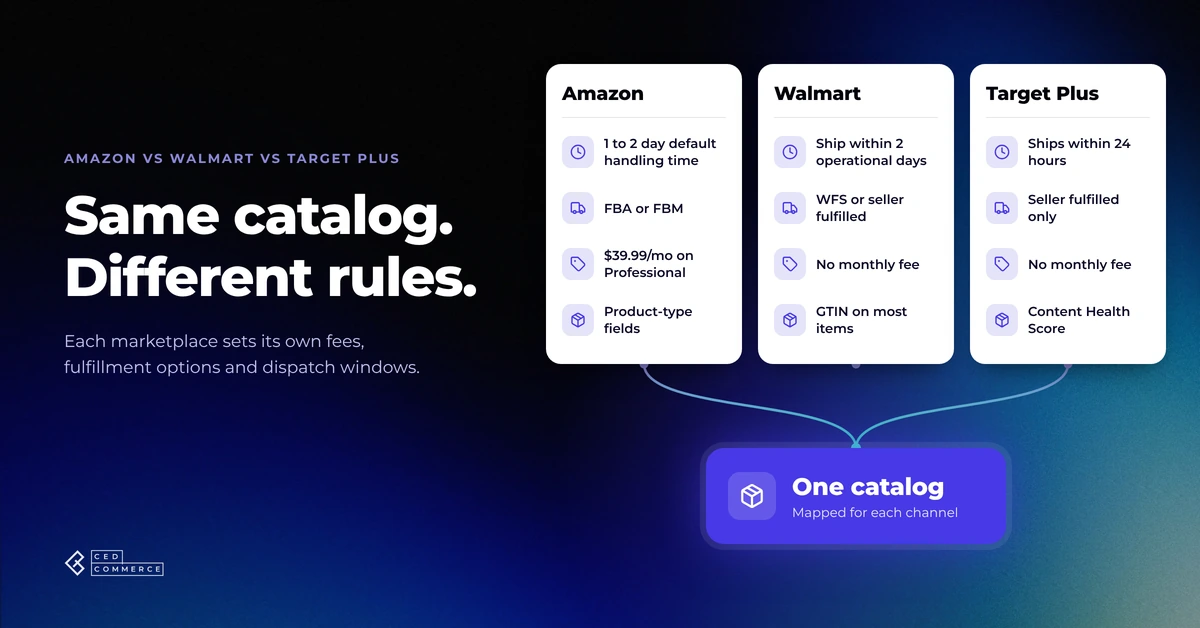
Reading Time: 11 minutes If you already sell on Amazon, adding Walmart or Target Plus…
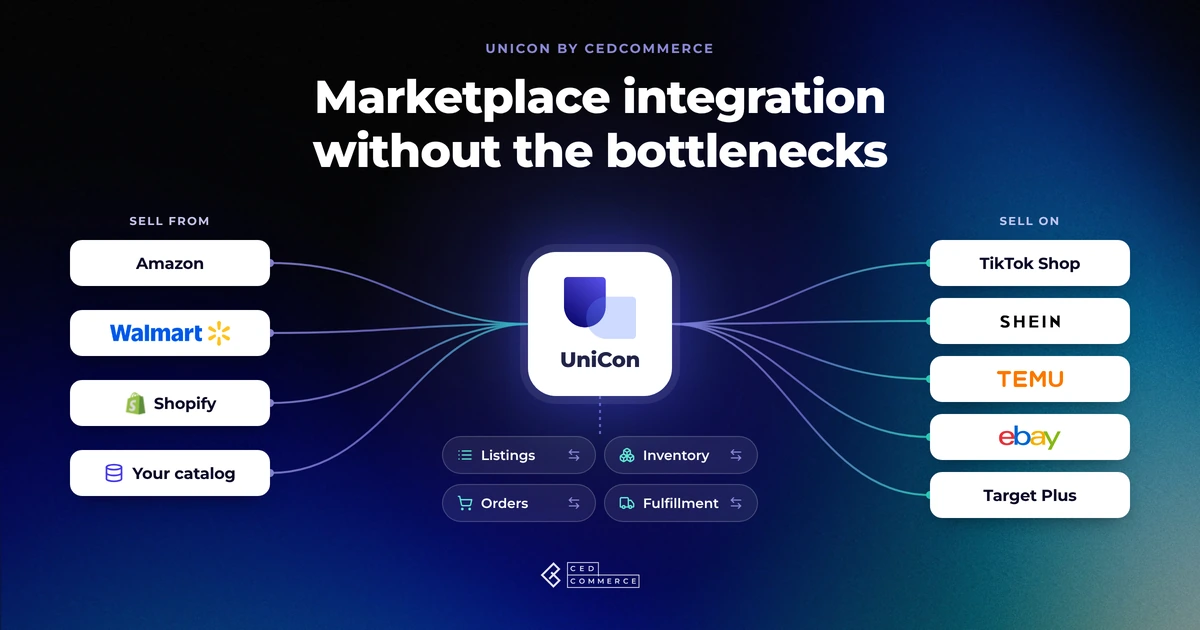
Reading Time: 13 minutes Selling on another marketplace sounds straightforward when you already have a…
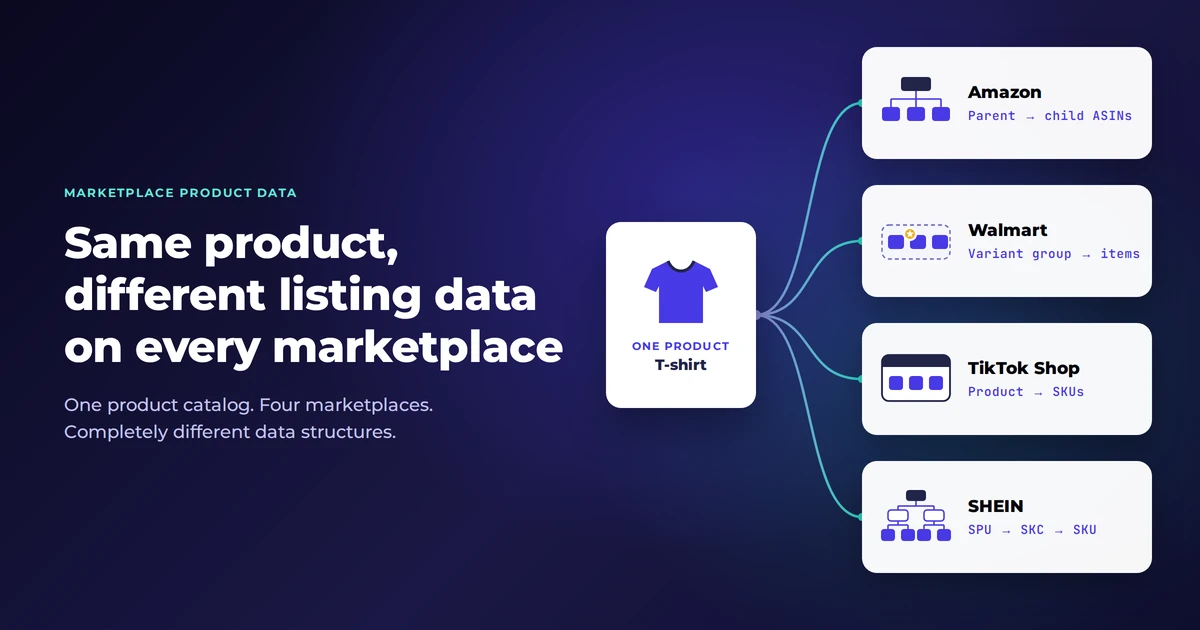
Reading Time: 11 minutes The same physical product can require a different listing structure on…
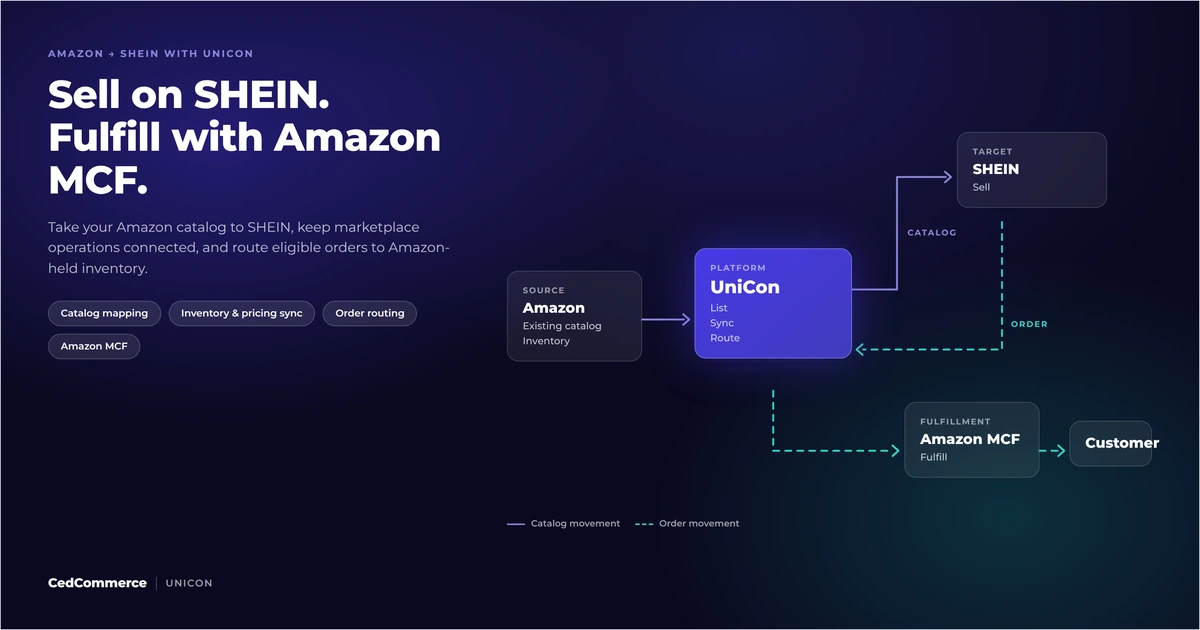
Reading Time: 12 minutes Looking to sell on SHEIN from Amazon? You could potentially tap…
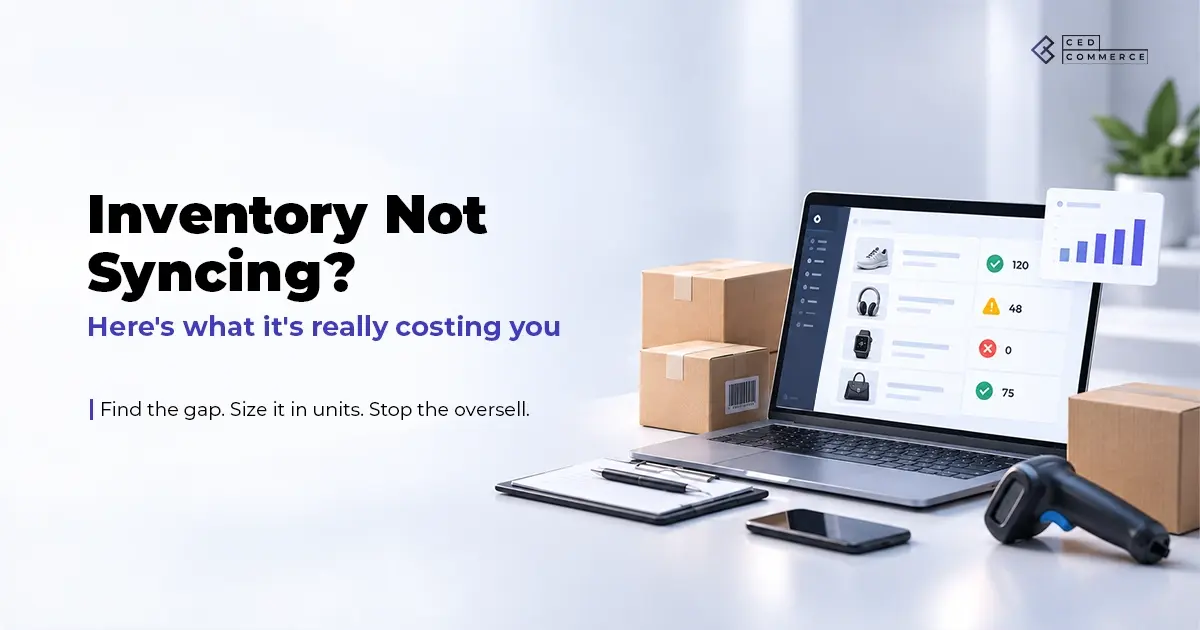
Reading Time: 15 minutes Your marketplace app does not sync continuously. It syncs on a…
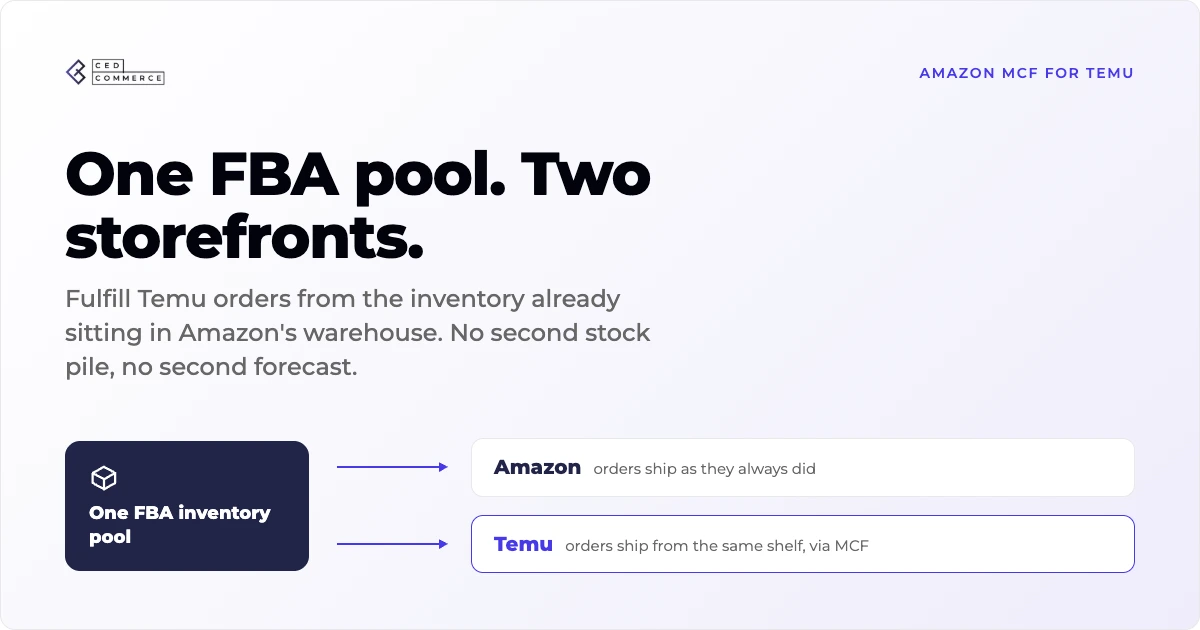
Reading Time: 19 minutes Ever wondered if your FBA inventory could turn Amazon into a…

Reading Time: 18 minutes If you’re an established third-party brand or authorized reseller looking for…
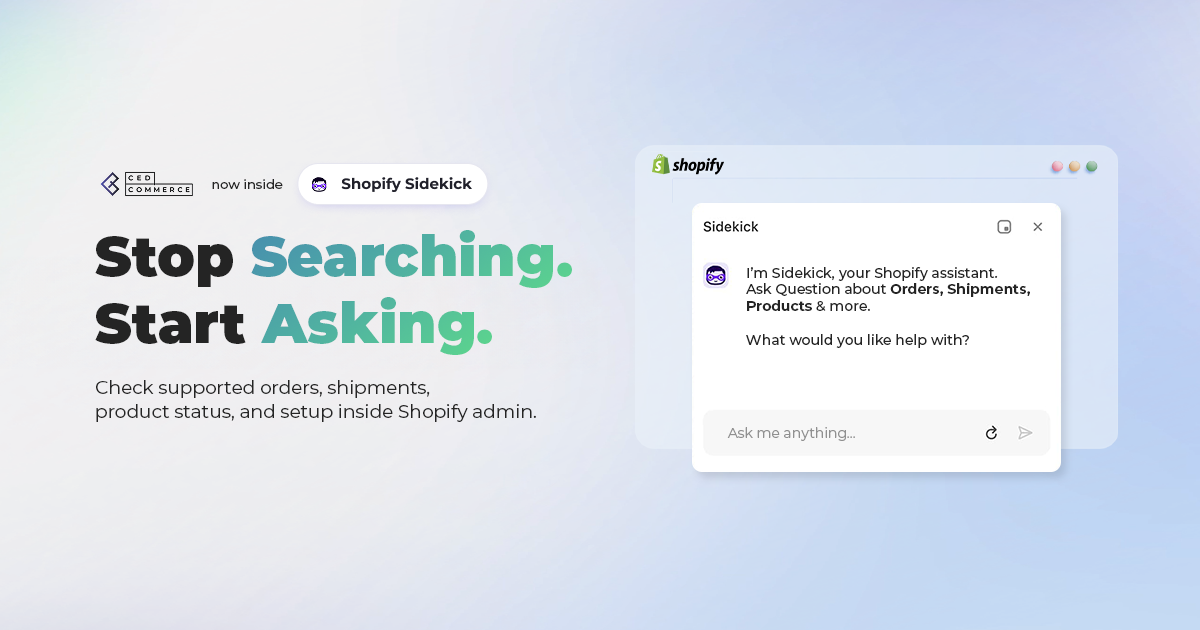
Reading Time: 6 minutes Your marketplace stack may be connected, but your attention is still…
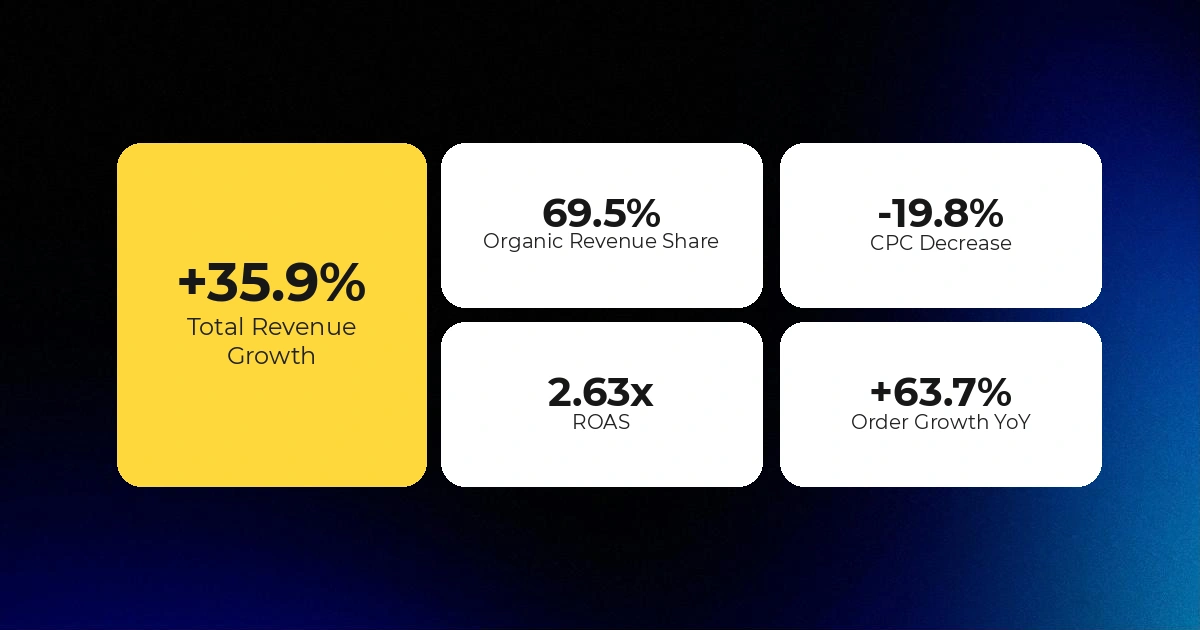
Reading Time: 3 minutes Section 1: About the Client Hat Country, operating as Deadwood Trading…
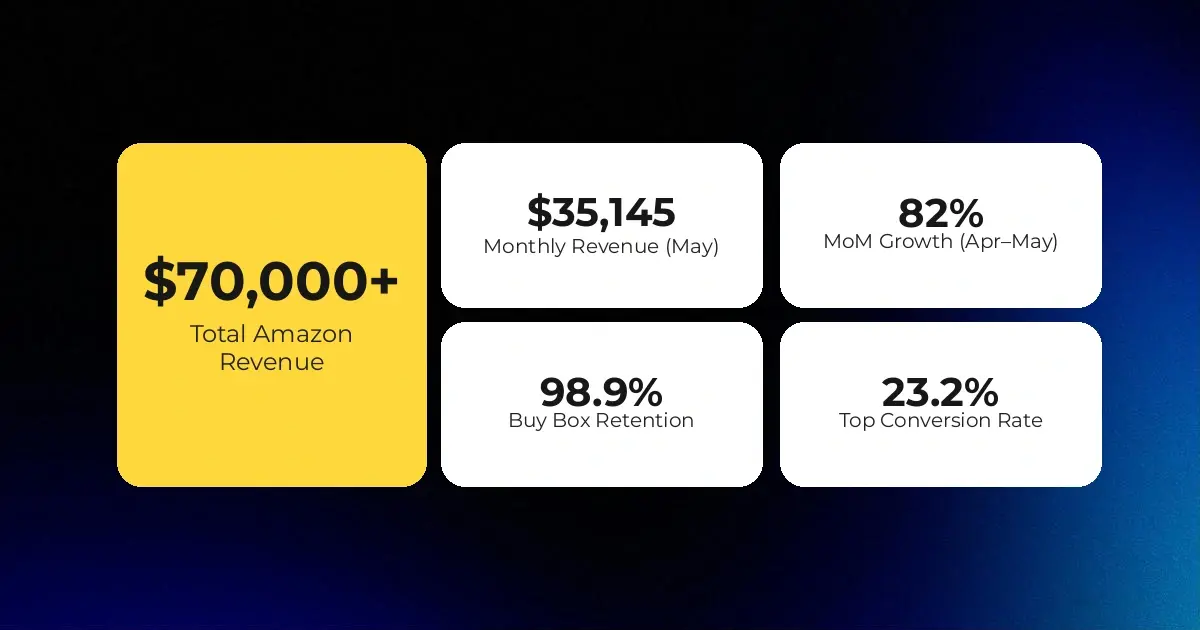
Reading Time: 3 minutes Section 1: About the Client Milky Mama is a leading maternal…