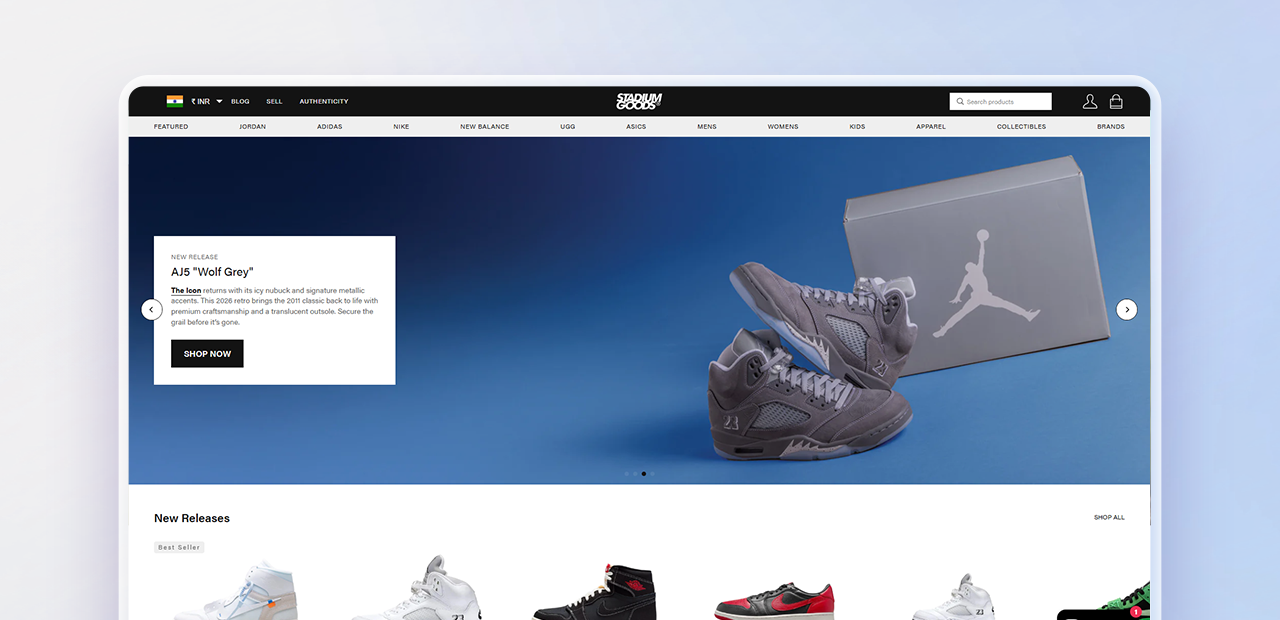
Stadium Goods
75,000+ SKUs launched on Walmart
Stadium Goods brought more than 75,000 SKUs to Walmart in 10 days, using CedCommerce to support its large-catalog marketplace launch.
Read the full story →Create marketplace listings from your existing catalog and automate inventory and order updates. CedCommerce handles the data exchange between your store and marketplace accounts, so your team doesn’t have to repeat the work in each account.
Trusted by brands including
75,000+ SKUs launched on Walmart in 10 days
25,000 luxury items managed for its Walmart expansion
Manual order audits eliminated in its Amazon FBM operation
CedCommerce translates your product data into marketplace listing requirements and exchanges updates between your systems. Your catalog provides the starting point; the integration handles how that information reaches each marketplace.


 BigCommerce
 Magento
Order management
Fulfillment system
 Product-data processing and marketplace data exchange




From your source catalog through CedCommerce to marketplace listings.
From the configured source through CedCommerce to marketplace accounts.
From marketplaces through CedCommerce to your order-management system.
From your fulfillment or order-management system through CedCommerce to marketplaces.
Data flows vary by integration and platform.
Use UniCon’s List + Sync + Fulfill workflow to prepare listings and manage updates after publication. Review product information before submission, then identify the listings and orders that need attention.
Import product data from your source account instead of entering each product again.
Review how UniCon matches your product fields to marketplace requirements before publishing.
Complete required fields flagged by validation before sending listings to the marketplace.
Check whether a listing is pending, live, or failed using the statuses available for that marketplace.
Update marketplace listings from your source data without editing each account separately.
Review incoming orders and fulfillment status in UniCon. Find listing or sync errors against the affected SKU to identify what needs correcting.

Listing Only doesn’t include AI mapping or ongoing inventory and order sync.
Process larger workloads with computing capacity that adjusts to demand. Autoscaling and load balancing help distribute the work as catalog updates and order volumes increase.

Computing resources adjust as workloads change. Load balancing distributes incoming traffic across those resources.

Multi-zone deployment reduces dependence on infrastructure in a single availability zone.

Backups preserve copies of stored data for recovery.

Point-in-time recovery allows stored data to be restored to an earlier state after a data-loss event.

We update integrations as marketplace APIs and listing requirements change. When an update also requires action from your team, we explain what needs to change in your product data or account settings.

Encryption protects business data as it moves between systems and while it’s stored. Network controls and activity monitoring help identify unauthorized access.

TLS 1.3 protects data during transfer. AES-256 encryption protects stored data.

Firewalls control network traffic to help prevent unauthorized access.

Intrusion detection monitors server activity for signs of suspicious behavior.

Security updates address vulnerabilities in the systems running the service.
Have specific security requirements? Our team can address questions about the CedCommerce solution you’re evaluating.
Talk to our team
List once. Sell everywhere. Ship from stock you already hold.
Expand using the product information you already maintain. Choose listing alone or manage ongoing inventory and order updates through UniCon.
Use List Products / Listing Only to create marketplace listings without ongoing inventory or order sync.
Use List + Sync + Fulfill for AI-assisted mapping and ongoing synchronization of inventory, prices, and orders.
Use Amazon MCF or Walmart MCS for eligible orders after configuring the fulfillment service for your channel.
Review listings by account and identify product-level errors from the listing grid.
Stadium Goods brought more than 75,000 SKUs to Walmart in 10 days, using CedCommerce to support its large-catalog marketplace launch.
Read the full story →
Rebag used CedCommerce to bring its luxury resale catalog to Walmart. Category mapping and inventory synchronization supported the management of unique products across a 25,000-item catalog.
Read the full story →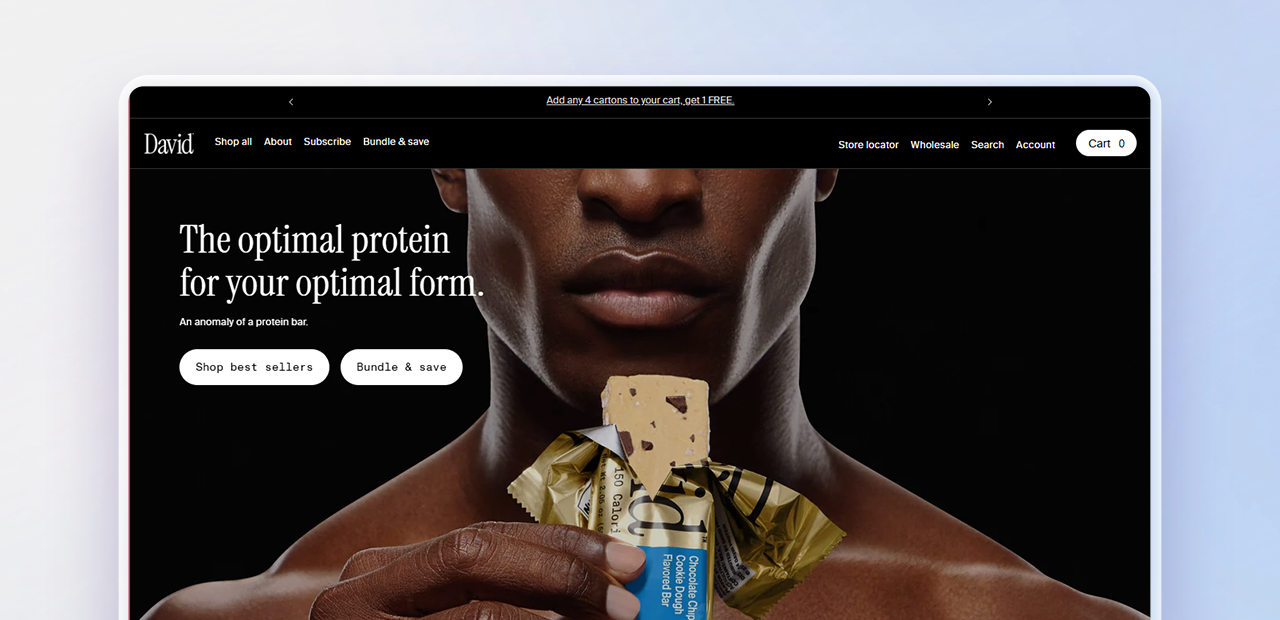
David Protein addressed order inconsistencies and tracking gaps in its Amazon FBM operation through automated synchronization and visibility into processing issues. The implementation eliminated manual order audits and reconciliation workflows.
Read the full story →CedCommerce exchanges data between your store and marketplace accounts. Depending on the integration, this includes preparing listings, sending inventory updates, importing orders, and returning shipment information.
UniCon uses your existing product information as the starting point. You may need to add attributes required by the destination marketplace, but you don’t have to enter the entire catalog again. In the mapping workflow, you can review matched fields before submission.
Frequency depends on the integration and plan. Inventory updates and order processing can follow different schedules. Our team can confirm the timing for the product you’re considering.
UniCon displays listing and sync errors against the affected product. You can inspect the error and identify what needs attention. The corrective action depends on the issue returned by the system or marketplace.
We update the integration as marketplace requirements change. Your team supplies any new business or product information required by the marketplace.
Encryption protects data during transfer and storage. Network controls and activity monitoring provide additional protection. Contact our team to confirm the controls that apply to the CedCommerce solution you’re evaluating.
CedCommerce has supported implementations including Stadium Goods’ launch of more than 75,000 SKUs on Walmart. Your requirements also depend on product complexity and the volume of ongoing updates.
An individual integration focuses on a particular platform-to-marketplace setup. UniCon brings multiple marketplace accounts into one app, with separate workflows for listing alone or ongoing synchronization and fulfillment.
Identify your catalog source, inventory source, order-management system, and fulfillment service. Our team can use these details to assess the integration requirements.
Tell us your store platform and the marketplace you want to add. We’ll help identify the setup required and clarify which tasks CedCommerce can automate and which remain with your team.