
Same Product, Yet Different Listing Data on Every Marketplace? Learn to Cross-List with Ease
Reading Time: 11 minutes The same physical product can require a different listing structure on…

Running short of time? Get PDF of the blog in your mail.
Walmart is ramping up its efforts to recruit merchants from the United Kingdom and continental Europe as part of a wider strategy to strengthen its international eCommerce footprint. The retail giant is encouraging sellers to join its marketplaces in the United States, Canada, Mexico, and Chile, offering streamlined access and support to ease cross-border expansion.
Through Walmart’s centralized seller platform, partners can manage operations across its American marketplaces while tapping into value-added services such as Walmart Fulfillment Services (WFS), which offers two-day delivery in the U.S., as well as advertising and logistics support. The model aims to make cross-border commerce more accessible for European brands seeking to establish a foothold in the Americas.
Much of Walmart’s European outreach is concentrated in the UK. London will host the Walmart Seller Summit 2025 on the 9th of September, a recruitment and networking event designed to give potential partners practical guidance on cross-border growth. The summit promises hands-on sessions, marketplace insights, and opportunities for sellers to connect with Walmart teams and other merchants.
Walmart has extended invitations to manufacturers and exporters across diverse sectors, signaling its ambition to attract a broad spectrum of sellers.
Underscoring its commitment to the region, Walmart has opened a dedicated seller office in London. The office will provide local onboarding support to British and European merchants approved to sell on Walmart’s platforms. The move is intended to reduce friction in the onboarding process and build confidence among sellers navigating transatlantic eCommerce.
Walmart’s strategy mirrors a wider globalization trend among leading eCommerce marketplaces. Amazon and eBay have long courted European sellers, while Chinese powerhouses, including Alibaba, JD.com, PDD Holdings’ Temu, and ByteDance’s TikTok Shop, are actively pursuing similar recruitment drives. Even regional players such as Dutch market leader bol have opened their platforms to non-EU sellers.
The recruitment push comes as Walmart’s eCommerce division turns profitable. Consecutive quarters of 20%+ online revenue growth have helped the company achieve profitability in its digital operations this year. While Walmart’s domestic online business has entered the black, its international eCommerce segment—anchored by India’s Flipkart—remains slightly loss-making.
By targeting European merchants, Walmart aims to expand product diversity on its American marketplaces and capture more cross-border trade. With the London summit, a new seller office, and expanded fulfillment services, the retailer is positioning itself as a competitive alternative to rivals in the global marketplace race.

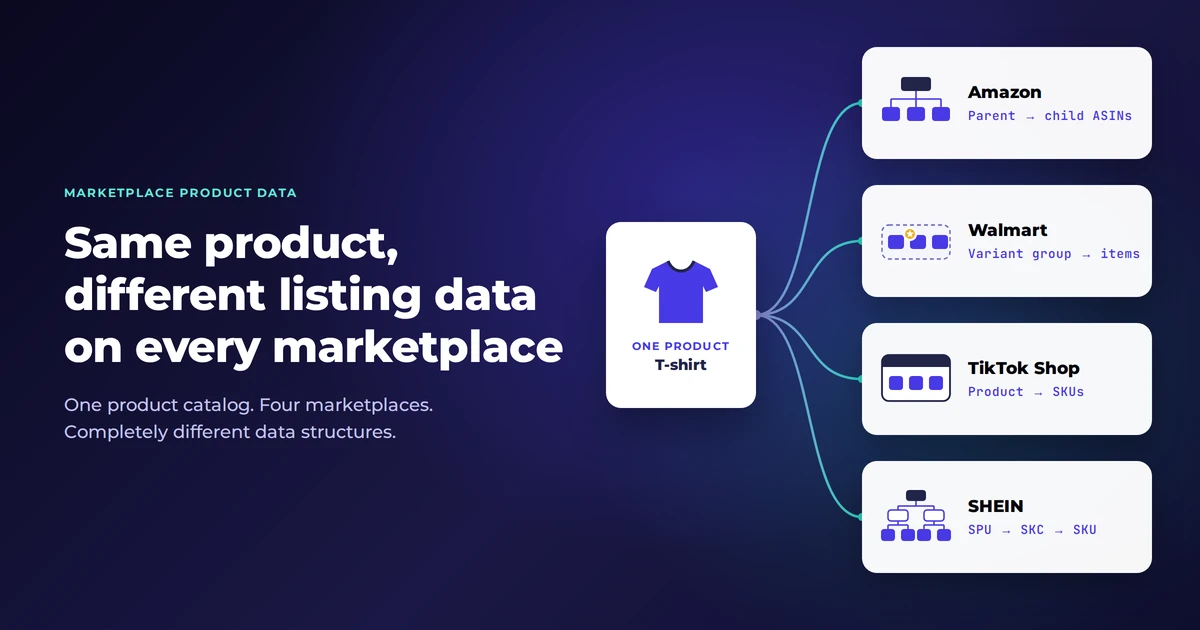
Reading Time: 11 minutes The same physical product can require a different listing structure on…
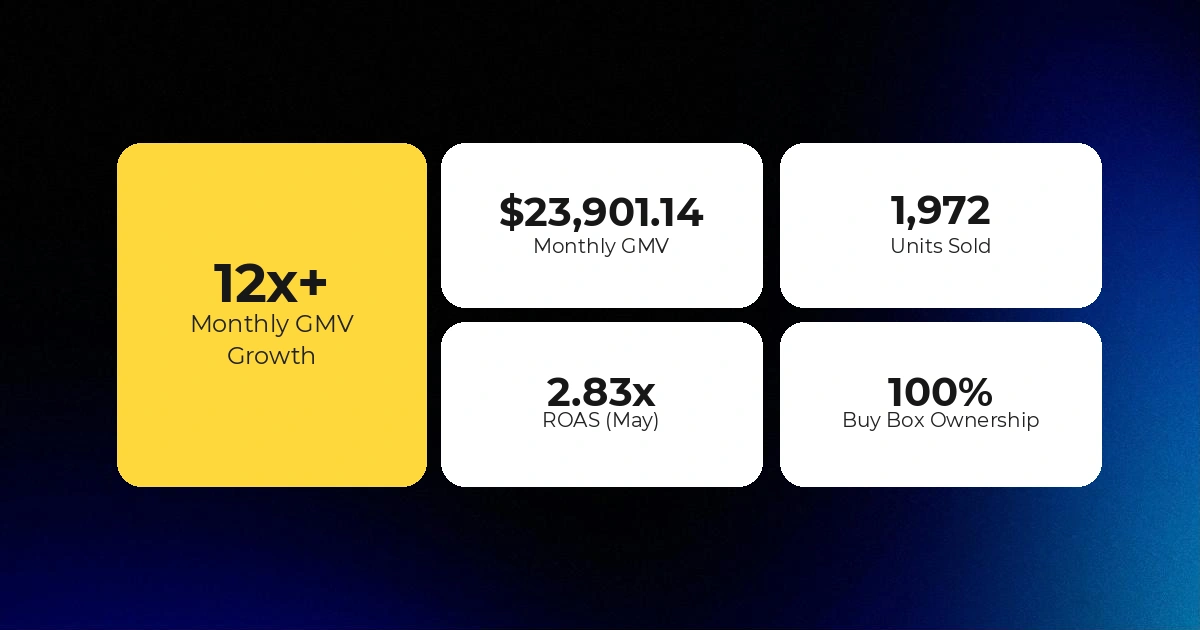
Reading Time: 3 minutes Section 1: About the Client Toadstool Seeds is an online seed…
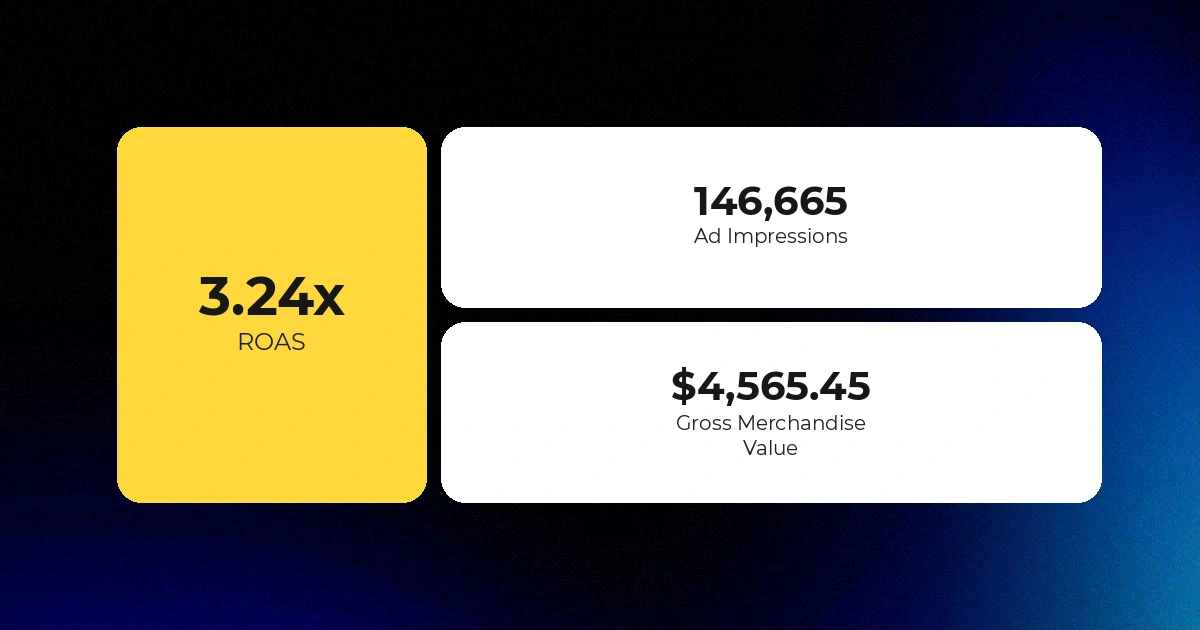
Reading Time: 3 minutes Section 1: About the Client LogOX is a premium outdoor and…
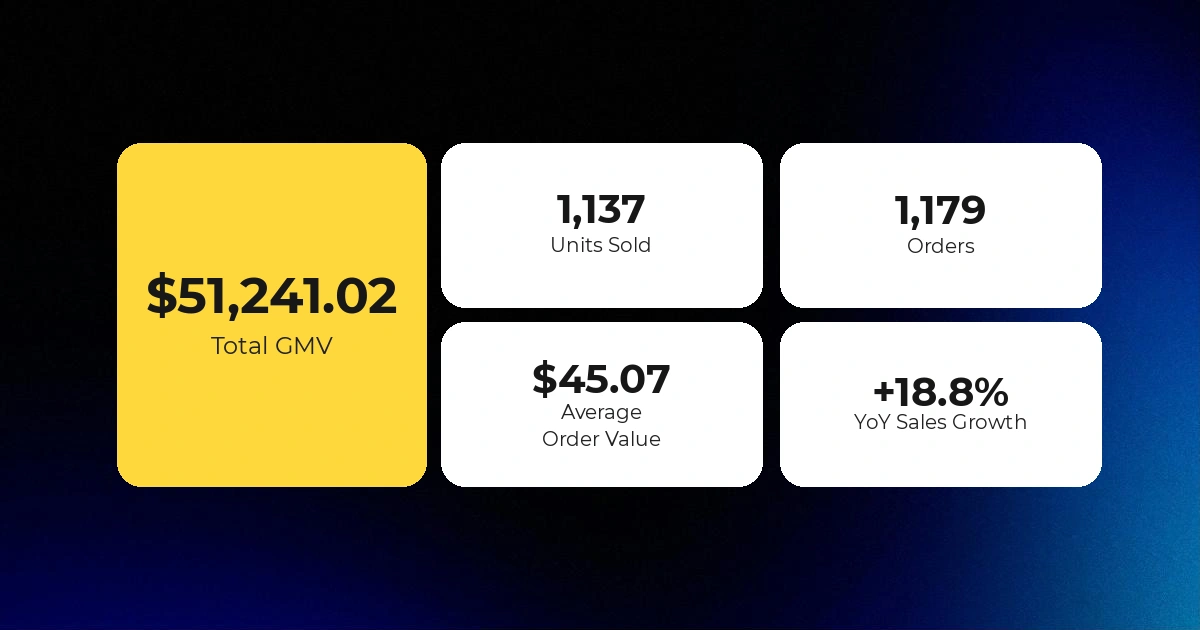
Reading Time: 4 minutes Section 1: About the Client General Jim’s Toys & Bricks is…

Reading Time: 1 minuteWalmart Marketplace has released new Seller Center enhancements designed to help sellers…
Reading Time: 13 minutes Every five years or so, a marketplace opens up just enough…

Reading Time: 4 minutes Walmart Expands Scrutiny on Product Claims Across Marketplace Listings Walmart Marketplace…

Reading Time: 9 minutes Your buyers are not shopping in one place anymore. They search…

Reading Time: 3 minutes Walmart’s fiscal 2026 annual report points to a retailer moving deeper…
Reading Time: 2 minutes Walmart Connect has introduced new ways for advertisers to activate connected…