
12x Monthly GMV Growth: How CedCommerce Scaled Toadstool Seeds on Walmart
Reading Time: 3 minutes Section 1: About the Client Toadstool Seeds is an online seed…
Running short of time? Get PDF of the blog in your mail.
Walmart’s fiscal 2026 annual report points to a retailer moving deeper into its next phase of omnichannel growth, where stores, eCommerce, fulfillment, and artificial intelligence are becoming more closely connected.
The company reported strong eCommerce momentum, fresh investment in physical stores, and a sharper focus on AI-led retail experiences. CEO John Furner described the moment as “pivotal,” noting that artificial intelligence is changing both how customers shop and how Walmart associates work.
One of the biggest takeaways from the report is the growing role of Walmart’s U.S. eCommerce business.
Walmart U.S. eCommerce contributed 4.3% to comparable sales growth in fiscal 2026, up from 2.9% in fiscal 2025. This shows that digital sales are becoming a more meaningful driver of Walmart’s overall U.S. performance.
The growth was mainly driven by store-fulfilled pickup and delivery. This is important because Walmart’s physical store network is becoming a fulfillment advantage. Instead of treating stores and eCommerce as separate channels, Walmart is using stores as local fulfillment points to improve speed, convenience, and delivery economics.
Globally, Walmart’s eCommerce growth was even stronger. The company reported 24% global eCommerce growth, reaching $150.4 billion. Total revenue rose 5.1% on a constant currency basis to $715.9 billion.
The report also suggests Walmart’s eCommerce profitability is improving. According to Jefferies analysts, higher delivery density, better routing, order batching, and express delivery fees are helping improve margins. Around one-third of Walmart deliveries reportedly include an express fee, giving the company an additional revenue lever as demand for faster delivery grows.
While eCommerce is growing quickly, Walmart is not moving away from physical retail. In fact, the company is increasing investment in new stores, clubs, expansions, and relocations.
Capital allocation toward new stores and clubs in the U.S. rose about 212% year over year to roughly $1.4 billion in fiscal 2026. This followed a 500% increase in fiscal 2025, showing that Walmart is once again treating store expansion as an important part of its growth strategy.
However, Walmart’s largest capital expenditure category remains supply chain, customer-facing initiatives, technology, and related investments. This category increased nearly 13% in fiscal 2026.
AI is a major part of this technology push. Walmart is focusing on agentic AI, including its customer-facing AI assistant, Sparky. According to the article, Sparky users generate about 35% higher baskets, suggesting Walmart sees AI as a way to increase purchase frequency, improve shopping discovery, and capture demand more effectively.
Rather than treating AI as only a marketing tool, Walmart appears to be positioning it as a commerce infrastructure layer. That means AI could influence search, product discovery, replenishment, personalization, customer service, and associate productivity.
Another key takeaway is the return of Walmart Supercenter growth in the U.S.
Walmart added seven Supercenters compared with the previous fiscal year’s ending count. This marks a shift from fiscal 2025, when the Supercenter count had slightly declined from fiscal 2024.
The company opened its first new Supercenter in four years in April 2025 in Cypress, Texas. The store was built under Walmart’s “Store of the Future” model and included localized features such as a Hispanic bakery section and a fresh tortilla maker.
This shows Walmart is not simply opening more stores for scale. It is also rethinking how stores should serve local markets, support digital fulfillment, and improve the in-store shopping experience.
Walmart’s total U.S. unit count, including Sam’s Clubs, grew less than 1% year over year to 5,212 locations. So while store growth remains measured, the return of Supercenter expansion is still notable.
Walmart’s fiscal 2026 performance shows a clear shift toward a more integrated retail model.
The company is using stores to power eCommerce fulfillment, investing in AI to improve shopping and operations, and selectively expanding its physical footprint where stores can support both local shopping and digital demand.
For marketplace sellers and brands, this matters because Walmart is becoming a more sophisticated omnichannel platform. Growth is no longer limited to in-store retail or traditional marketplace listings. Sellers may increasingly need to think about pickup and delivery readiness, faster fulfillment, retail media, AI-led discovery, and localized customer demand.
In short, Walmart’s 2026 annual report shows a company doubling down on the strengths that make it difficult to compete with: a massive store network, growing digital sales, stronger fulfillment economics, and rising investment in AI-powered commerce.
Source: https://www.retaildive.com/news/walmarts-annual-report-ecommerce-store-investments-AI/818542/

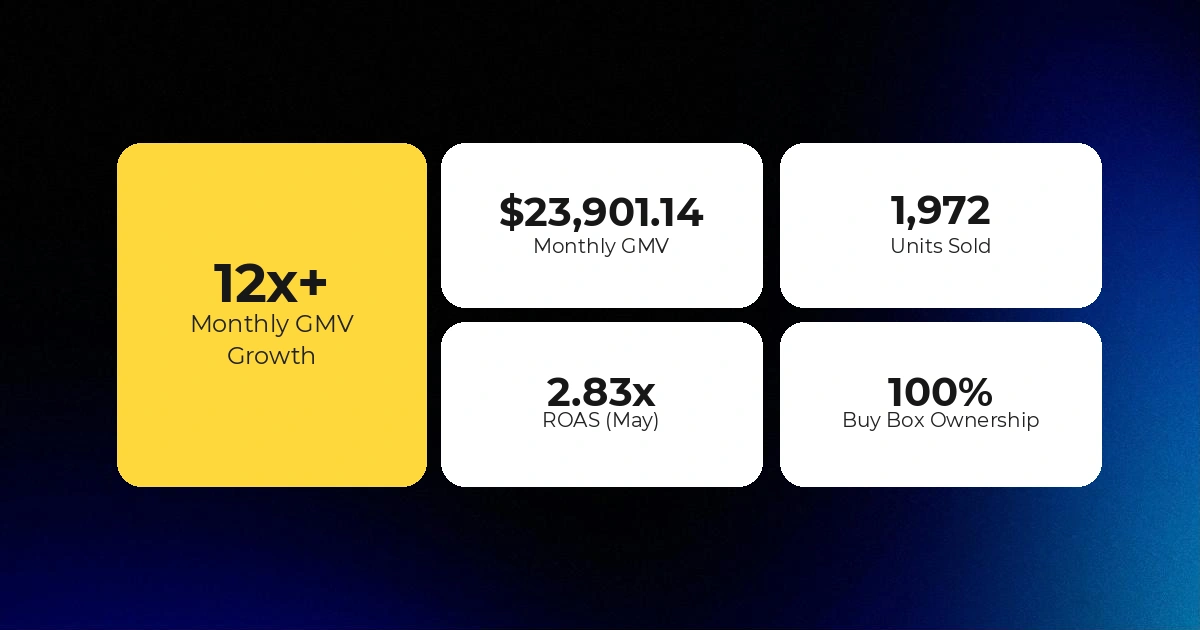
Reading Time: 3 minutes Section 1: About the Client Toadstool Seeds is an online seed…
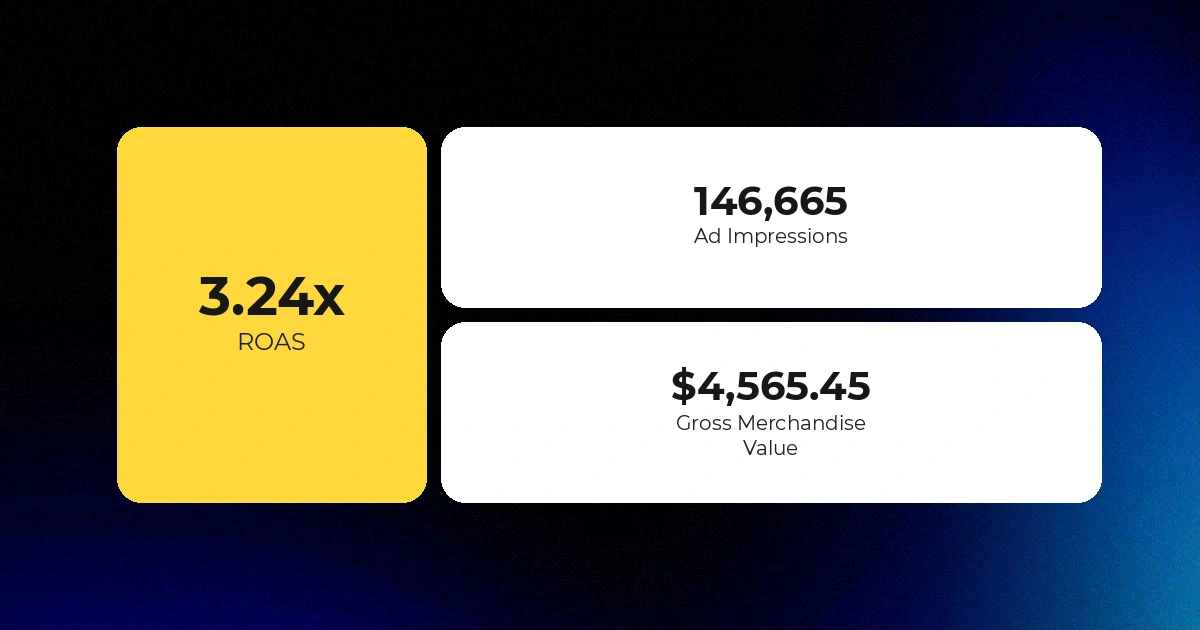
Reading Time: 3 minutes Section 1: About the Client LogOX is a premium outdoor and…
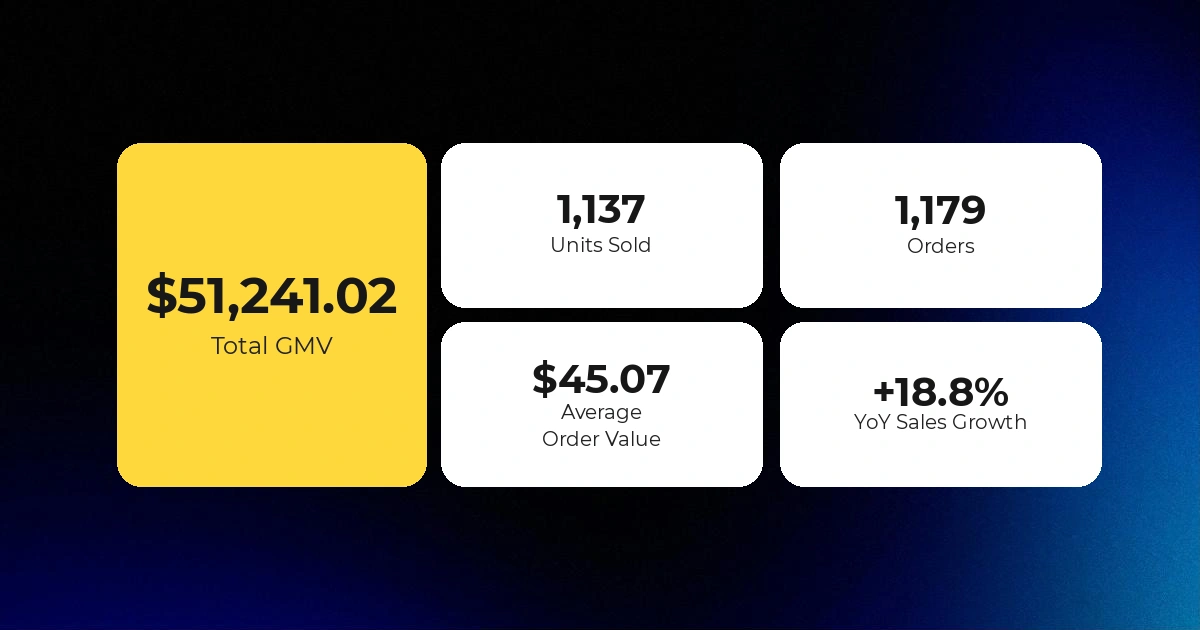
Reading Time: 4 minutes Section 1: About the Client General Jim’s Toys & Bricks is…

Reading Time: 1 minuteWalmart Marketplace has released new Seller Center enhancements designed to help sellers…

Reading Time: 13 minutes Every five years or so, a marketplace opens up just enough…
Reading Time: 4 minutes Walmart Expands Scrutiny on Product Claims Across Marketplace Listings Walmart Marketplace…

Reading Time: 9 minutes Your buyers are not shopping in one place anymore. They search…
Reading Time: 2 minutes Walmart Connect has introduced new ways for advertisers to activate connected…
Reading Time: 2 minutes Walmart is doubling down on creator-driven social commerce, turning influencer content…
Reading Time: 2 minutes Walmart is bringing Sparky, its proprietary shopping assistant, into ChatGPT, marking…