
Amazon vs Walmart vs Target Plus: What Changes Operationally for Sellers?
Reading Time: 11 minutes If you already sell on Amazon, adding Walmart or Target Plus…

Running short of time? Get PDF of the blog in your mail.
In a major follow-up to our earlier coverage — “Amazon Confirms: ‘We’re Not Leaving USPS’ But Delivery Shake-up Looms” (December, 2025) — Amazon and the U.S. Postal Service have now finalized a scaled-back delivery agreement that preserves roughly 80% of Amazon’s existing USPS parcel volume, avoiding the far steeper two-thirds reduction that had earlier been on the table.
Reuters first reported that the new arrangement translates to a 20% reduction in Amazon volume handled by USPS, bringing a turbulent negotiation cycle to a more measured close. The agreement still requires Postal Regulatory Commission approval, but it signals that both companies continue to rely on each other, especially in rural last-mile coverage, where USPS remains structurally difficult to replace at scale.
For sellers, this deal is bigger than a carrier headline.
Amazon has simultaneously been expanding its in-house rural delivery footprint with a planned
$4 billion investment, which suggests this USPS agreement is less a status quo renewal and more a
controlled transition strategy while Amazon builds denser self-owned route economics.
This also lands at a time when sellers are already facing rising fulfillment economics, including Amazon’s recently introduced
fuel and logistics surcharges within FBA cost structures. The practical takeaway: while USPS continuity helps stabilize delivery coverage,
the broader cost-to-serve conversation is still moving upward.
That means shipping margin protection, inventory placement, and regional replenishment accuracy are becoming increasingly important for marketplace profitability.
Sellers should now focus on:
CedCommerce Managed Services helps brands optimize catalog, fulfillment visibility, and marketplace profitability as Amazon’s carrier and surcharge strategy continues to evolve.
This new Amazon-USPS agreement confirms what our December coverage had already signaled:
Amazon was never planning a clean break, but a calibrated dependency reset.
For eCommerce sellers, the real story is Amazon’s
multi-carrier, margin-aware logistics diversification play, where USPS remains critical for reach, while Amazon steadily builds leverage through its own rural network and evolving FBA cost structure.
The result is a more stable near-term shipping environment, but one that still demands sharper operational discipline from brands selling at scale.
Want help improving your Amazon rankings, scaling profitable ad campaigns, and optimizing your product catalog?

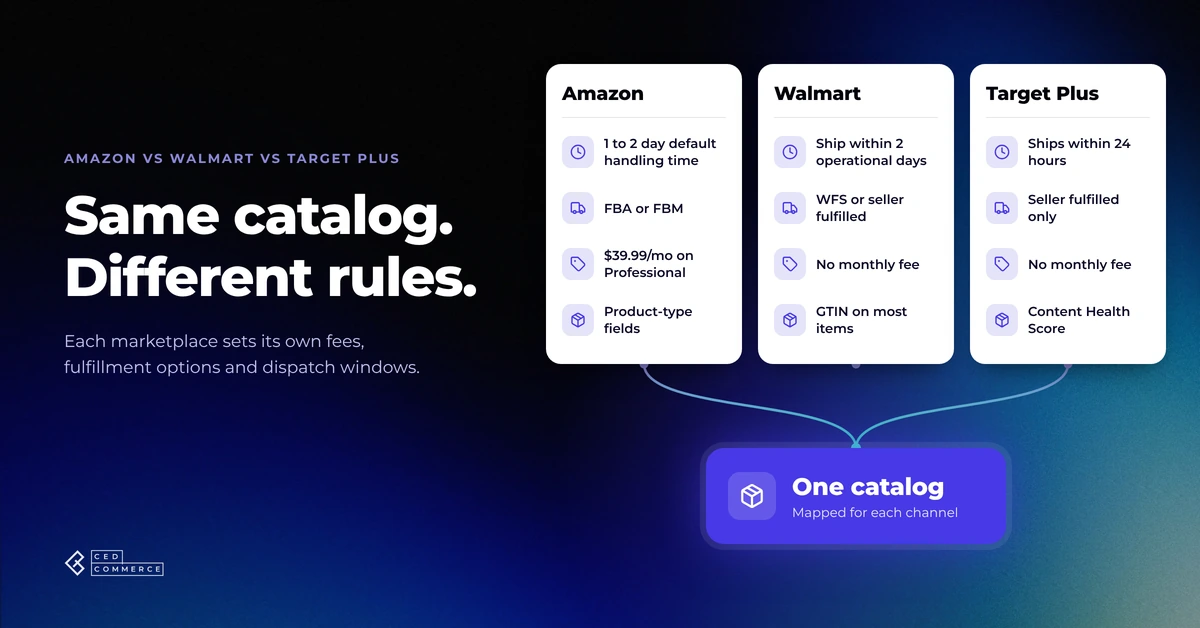
Reading Time: 11 minutes If you already sell on Amazon, adding Walmart or Target Plus…
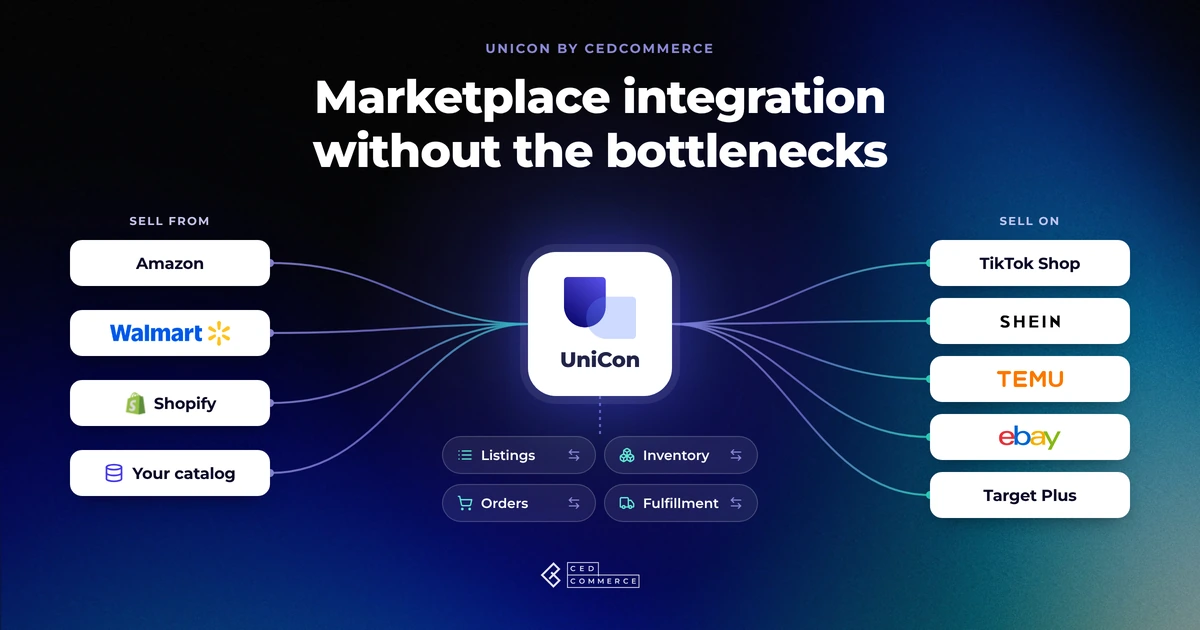
Reading Time: 13 minutes Selling on another marketplace sounds straightforward when you already have a…
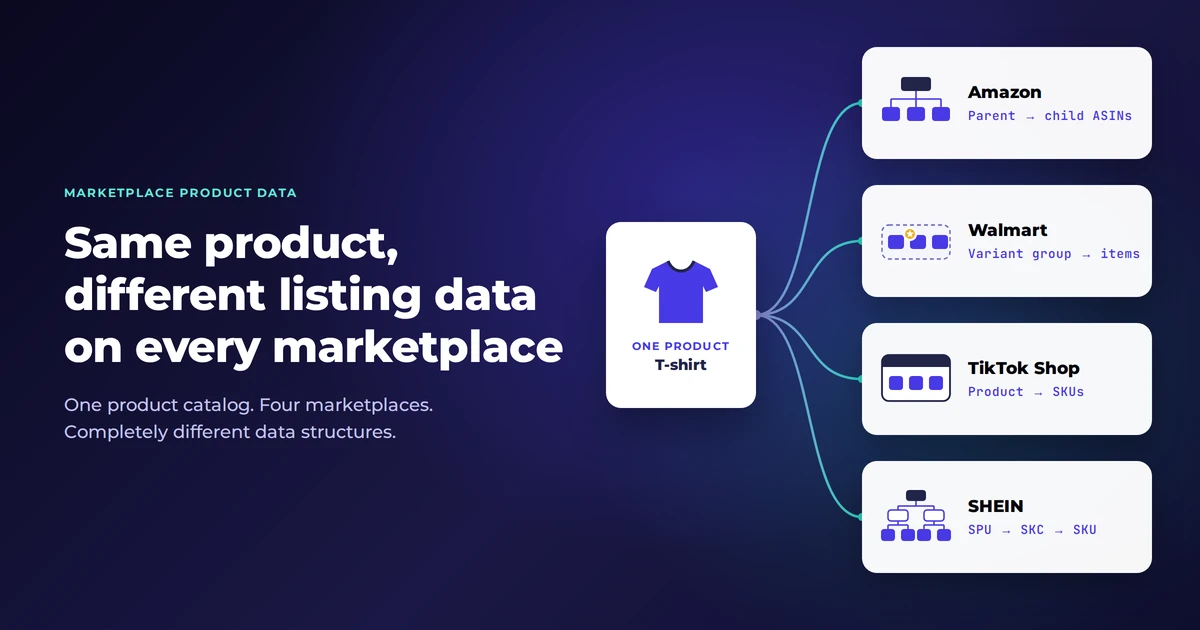
Reading Time: 11 minutes The same physical product can require a different listing structure on…
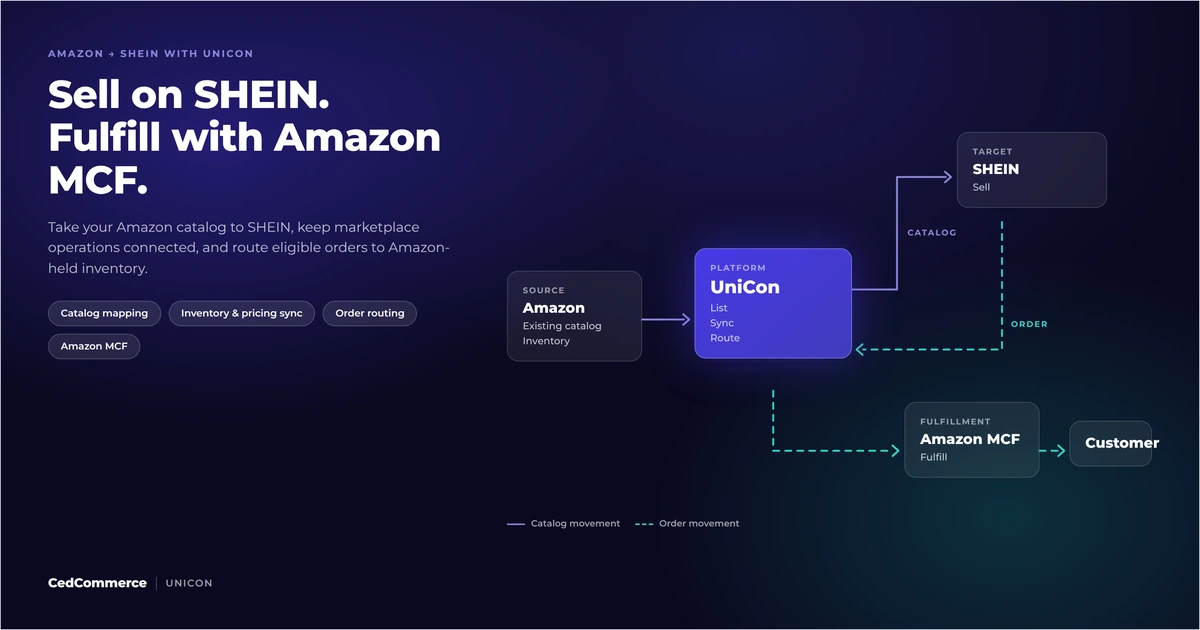
Reading Time: 12 minutes Looking to sell on SHEIN from Amazon? You could potentially tap…
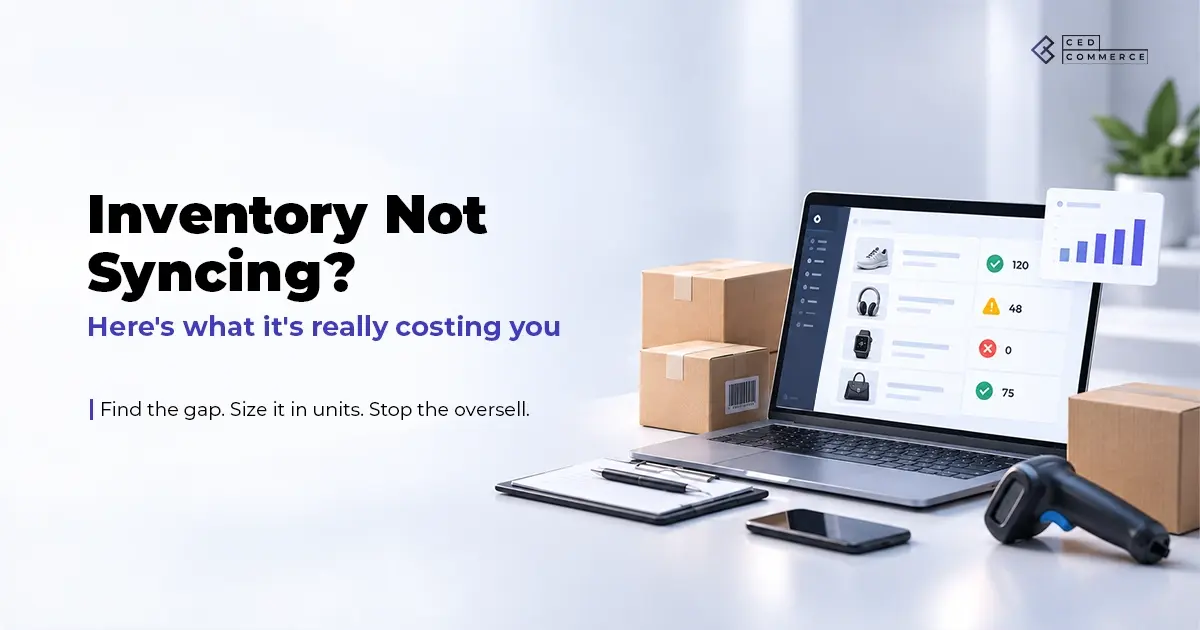
Reading Time: 15 minutes Your marketplace app does not sync continuously. It syncs on a…
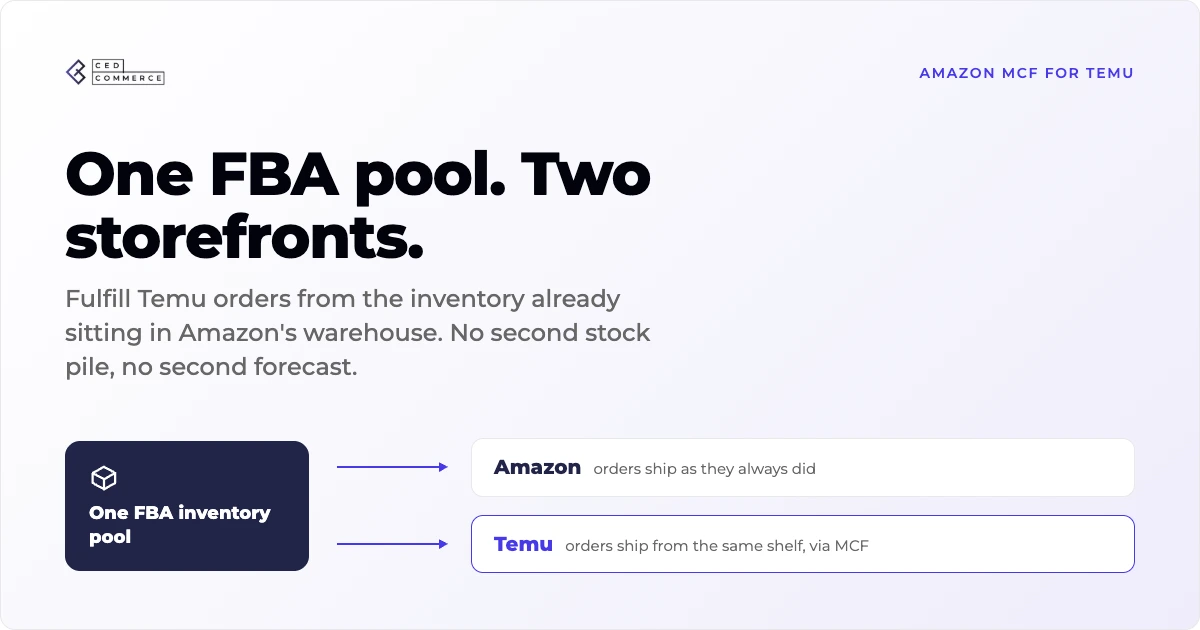
Reading Time: 19 minutes Ever wondered if your FBA inventory could turn Amazon into a…

Reading Time: 18 minutes If you’re an established third-party brand or authorized reseller looking for…
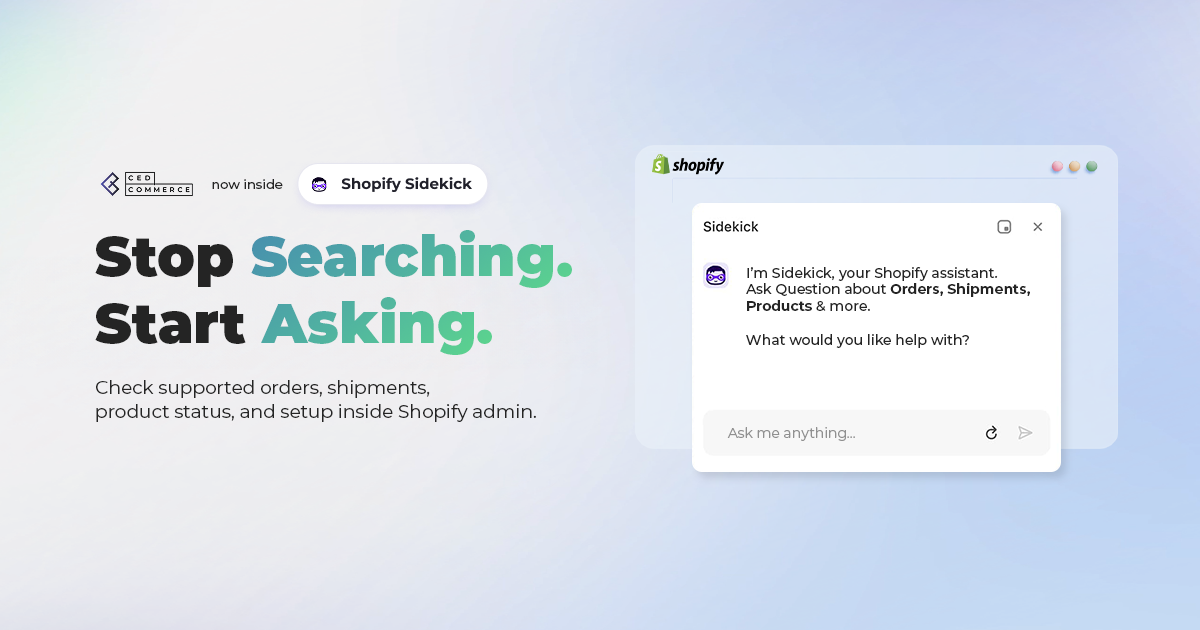
Reading Time: 6 minutes Your marketplace stack may be connected, but your attention is still…
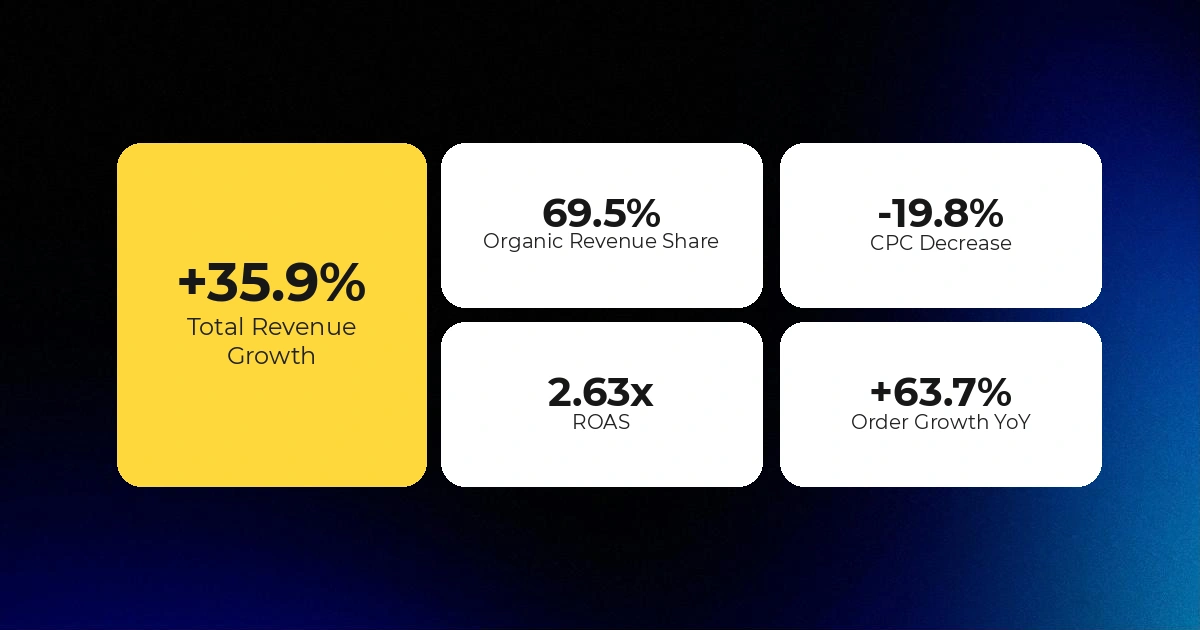
Reading Time: 3 minutes Section 1: About the Client Hat Country, operating as Deadwood Trading…
Reading Time: 3 minutes Section 1: About the Client Milky Mama is a leading maternal…