
Amazon vs Walmart vs Target Plus: What Changes Operationally for Sellers?
Reading Time: 11 minutes If you already sell on Amazon, adding Walmart or Target Plus…

Running short of time? Get PDF of the blog in your mail.
Amazon Prime Day 2026 helped drive more than $26.4 billion in U.S. online retail spending from June 23 to June 26, according to Adobe Analytics data reported by Reuters.
The four-day event delivered 9.3% year-over-year growth in U.S. ecommerce spend, showing that Prime Day remains one of the strongest online retail moments of the year. But the numbers also point to a more cautious shopper. Numerator’s Prime Day tracker showed that average order size and average household spend both declined compared to last year’s early read.
For sellers, the takeaway is clear: Prime Day traffic is still powerful, but profitable growth depends on smarter pricing, controlled ad spend, stronger inventory planning, and sharper post-event margin analysis.
Prime Day 2026 ran from June 23 through June 26 in the United States and several other markets.
U.S. online retail spending across Prime Day dates crossed $26.4 billion, up 9.3% year over year.
Day 1 alone generated $8.3 billion in U.S. online spending, up 5.3% year over year.
Discount levels were broadly similar to last year, with electronics discounts peaking around 24%, apparel around 24%, appliances around 16%, and toys around 20%.
Numerator’s final Prime Day tracker showed average order size at $47.66, down from $53.34 in last year’s early read.
Average household spend reached $143.45, down from $156.37 last year.
Nearly two-thirds of Prime Day households placed two or more orders, showing continued event participation despite lower basket sizes.
JPMorgan analysts estimated that third-party seller sales grew around 6% per day, while first-party Amazon product sales grew around 7% per day.
Prime Day 2026 confirms that Amazon’s shopping event still creates a major demand spike for sellers. However, the decline in average order size and household spend suggests shoppers were more selective.
For sellers, this means revenue growth alone may not tell the full story. A strong Prime Day performance should be evaluated against margin, ad efficiency, stock movement, discount depth, return risk, and post-event inventory health.
Sellers that relied heavily on aggressive discounts may have seen order volume increase, but not necessarily profitable growth. On the other hand, sellers with strong pricing discipline, optimized listings, reliable inventory, and well-managed ad budgets were better positioned to convert Prime Day traffic without sacrificing too much margin.
Prime Day is no longer just an Amazon event. It has become a broader U.S. ecommerce moment, with retailers across categories timing their own promotions around Amazon’s sales window.
That matters for marketplace sellers because consumer demand is now spread across multiple retail channels during the same period. Walmart, Target, Best Buy, and other retailers increasingly compete for the same deal-seeking shopper. Sellers operating across multiple marketplaces need to plan Prime Day as part of a wider retail calendar, not only an Amazon campaign.
The data also shows a more value-conscious consumer. Shoppers continued to participate, but they bought smaller baskets and appeared more focused on lower-ticket items, essentials, and practical deals. This puts more pressure on sellers to balance traffic capture with profitability.
Sellers should begin with SKU-level performance. The key question is not simply which products sold the most, but which products delivered profitable sales after discounts, ad costs, fulfillment fees, and returns.
They should review:
Sellers should also compare Prime Day performance against non-event baselines. A product that sold well during Prime Day but required heavy ad spend or deep discounting may not be the strongest long-term growth driver.
Sellers should treat the post-Prime Day period as a performance audit window.
First, identify which SKUs generated profitable growth and which only moved because of aggressive promotions. Then review whether ad budgets were allocated toward the right products or spread too broadly across the catalog.
Second, check inventory health. Sellers that overstocked need a follow-up liquidation or remarketing plan. Sellers that stocked out early should review demand forecasting, replenishment timelines, and FBA planning before the next major event.
Third, use Prime Day buyer activity for follow-up campaigns. Sellers should look at retargeting, Subscribe & Save opportunities, bundle offers, review-generation workflows, and repeat-purchase messaging.
Finally, multi-channel sellers should compare Amazon performance with Walmart, Shopify, and other channels during the same period. Prime Day may have triggered wider ecommerce demand, and sellers should understand where they captured or missed that demand.
Prime Day 2026 delivered strong U.S. ecommerce growth, with more than $26.4 billion in online retail spending across the four-day event.
But the seller lesson is not simply that Prime Day remains big. It is that shoppers are becoming more deliberate. They are still responding to deals, but with smaller baskets and sharper value expectations.
For marketplace sellers, the next stage of Prime Day planning should focus less on chasing volume at any cost and more on profitable event execution. The winners will be sellers who can combine competitive pricing, clean listings, strong inventory control, efficient ad spend, and disciplined post-event analysis.

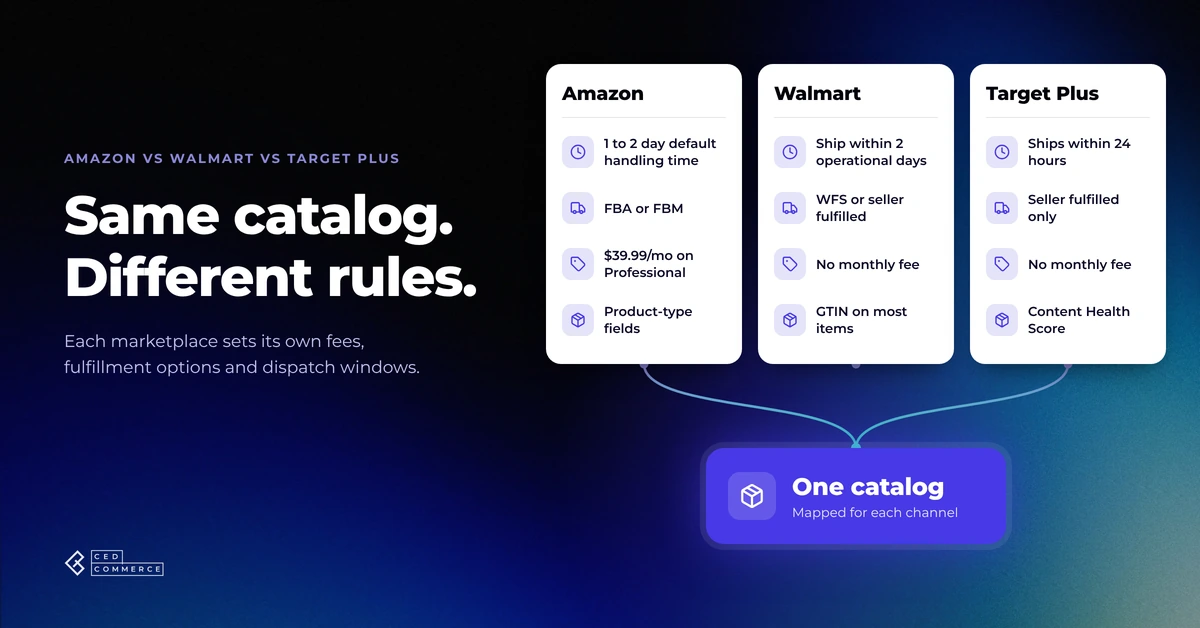
Reading Time: 11 minutes If you already sell on Amazon, adding Walmart or Target Plus…
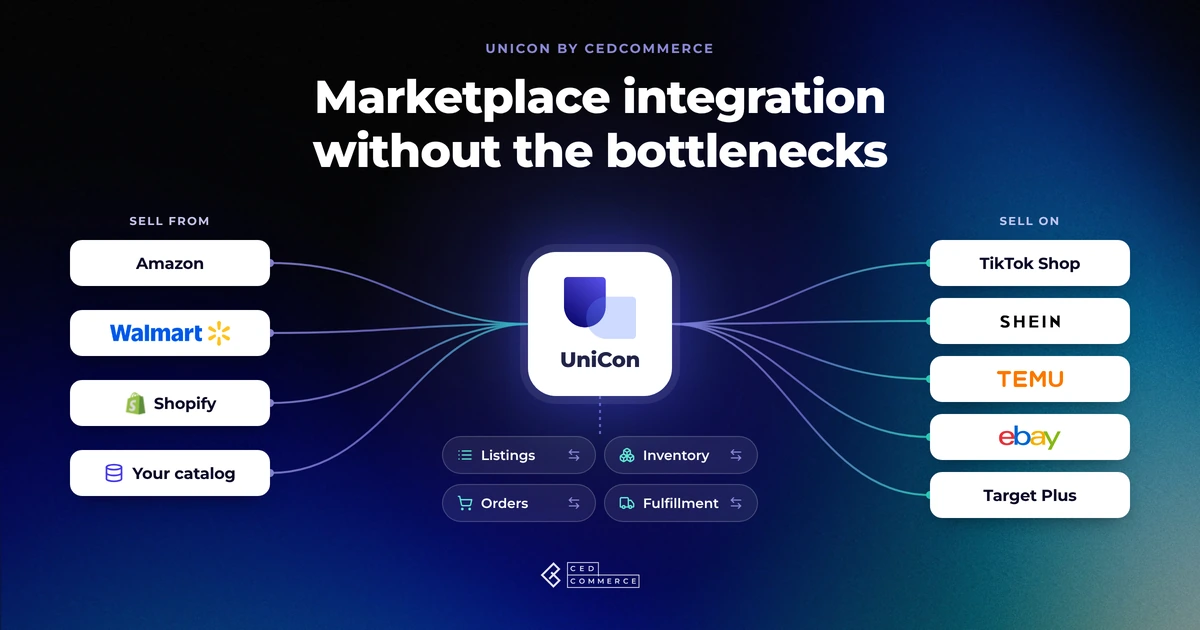
Reading Time: 13 minutes Selling on another marketplace sounds straightforward when you already have a…
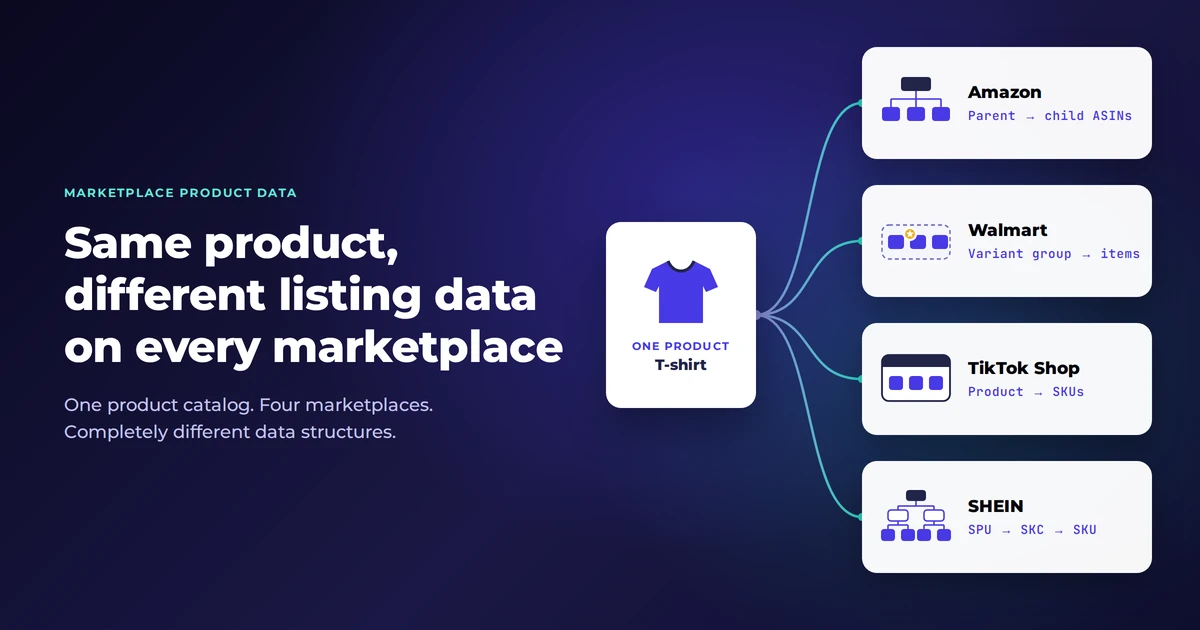
Reading Time: 11 minutes The same physical product can require a different listing structure on…
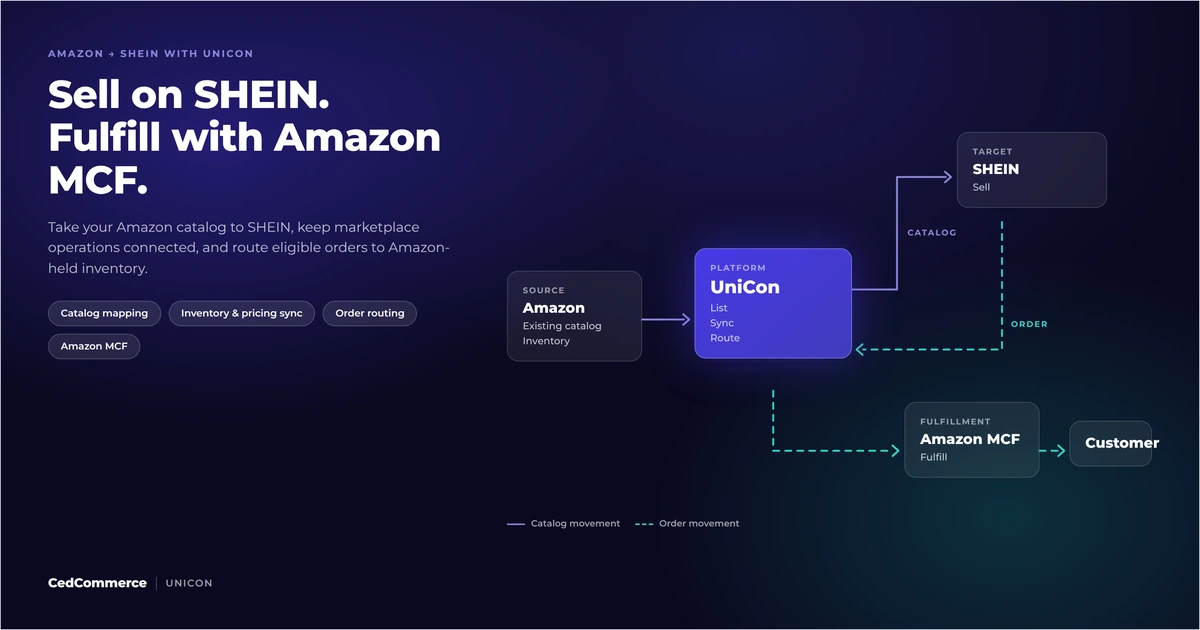
Reading Time: 12 minutes Looking to sell on SHEIN from Amazon? You could potentially tap…
Reading Time: 15 minutes Your marketplace app does not sync continuously. It syncs on a…
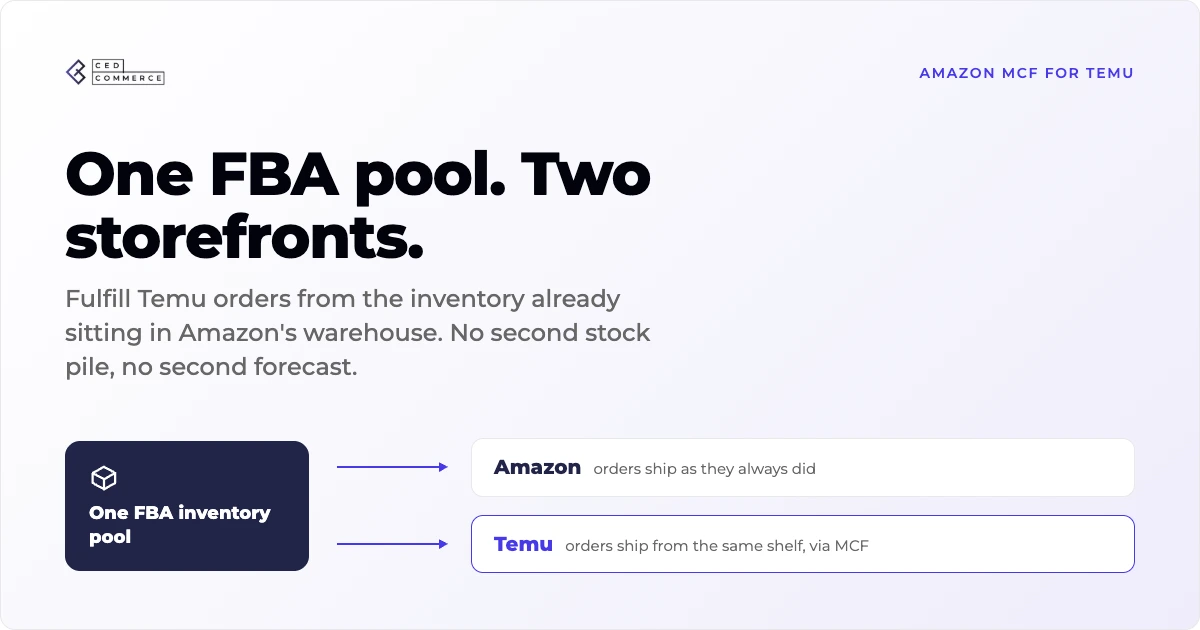
Reading Time: 19 minutes Ever wondered if your FBA inventory could turn Amazon into a…

Reading Time: 18 minutes If you’re an established third-party brand or authorized reseller looking for…
Reading Time: 6 minutes Your marketplace stack may be connected, but your attention is still…
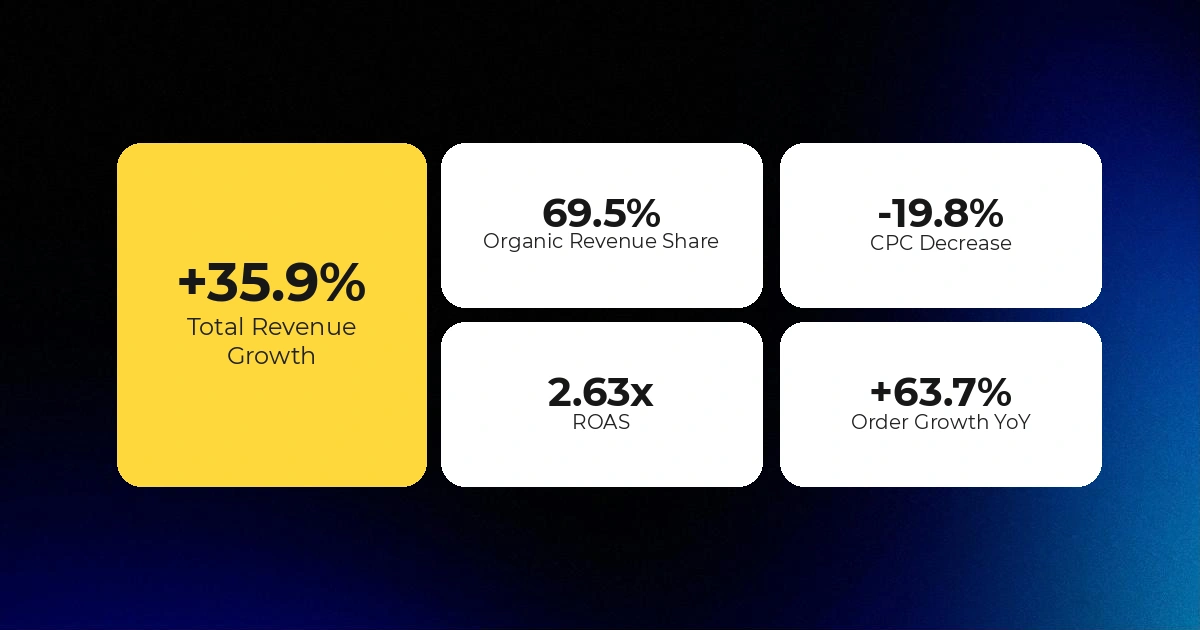
Reading Time: 3 minutes Section 1: About the Client Hat Country, operating as Deadwood Trading…
Reading Time: 3 minutes Section 1: About the Client Milky Mama is a leading maternal…