
TikTok Shop Fulfillment in 2026: 6 Options and How to Ship from Walmart WFS
Reading Time: 14 minutes TikTok Shop fulfillment in the US now comes down to six…

Running short of time? Get PDF of the blog in your mail.
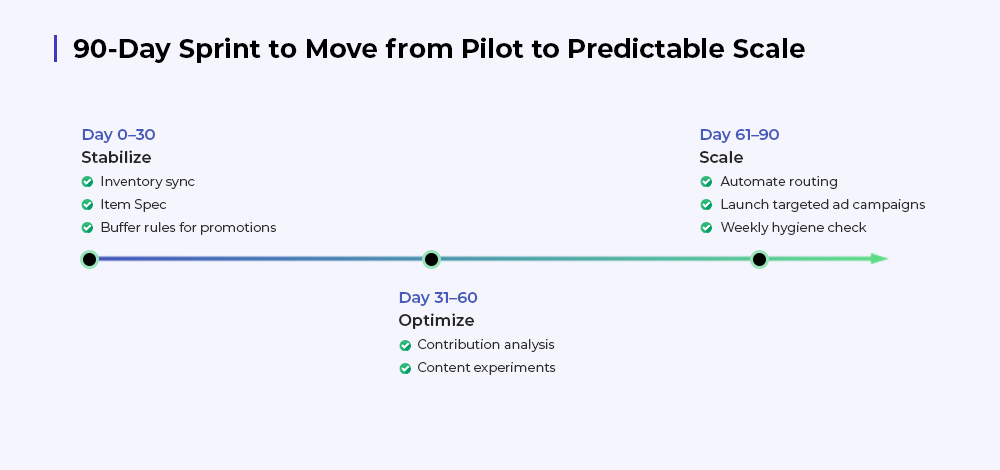
TL;DR: Walmart’s marketplace is a major growth engine for enterprises. However, winning requires more than just “listing products”—it demands sophisticated Walmart marketplace operations for enterprise model that stitches together catalog accuracy (Item Spec 5.0), feed-ready content, inventory sync, fulfillment strategy (WFS or vetted 3PLs), and SLA-driven customer care. This pillar guide gives you an operational blueprint — diagnostic, playbook, KPIs, and a 90-day sprint to move from pilot to profitable scale.
Walmart Marketplace is growing fast, both in seller count and platform sophistication, and is explicitly building logistics, AI tools, and seller incentives that favor operational maturity over ad-hoc tactics. That means enterprise sellers who treat Walmart like a governed channel — with unit economics, disciplined workflows, and platform-grade integrations — will scale profitably; those who treat it like a side experiment risk inventory confusion, cancellation cascades, and margin erosion.
For most enterprises, the constraint is no longer demand — it’s control. The hard problem is keeping catalog, inventory, orders, fulfillment, and performance signals synchronized across ERP, PIM, WMS, and Walmart’s evolving APIs. This is where managed integration layers, such as CedCommerce, move from “connector” to operating infrastructure, acting as the system that enforces data discipline and execution consistency as Walmart becomes a core growth channel.
As per Walmart marketplace operations for enterprise scale, the core architecture must be:
This architecture turns Walmart from a “marketing channel” into a governed commerce unit. In practice, enterprises increasingly rely on integration solutions such as CedCommerce to provide the connective tissue that keeps Walmart aligned with the rest of the commerce stack as volume, SKU count, and operational complexity scale.
Item Spec 5.0 (Walmart’s latest schema and taxonomy) tightens product categorization and requires richer attributes and mappings. To make the most of the Walmart Item Spec 5.0 migration strategy, enterprises should:
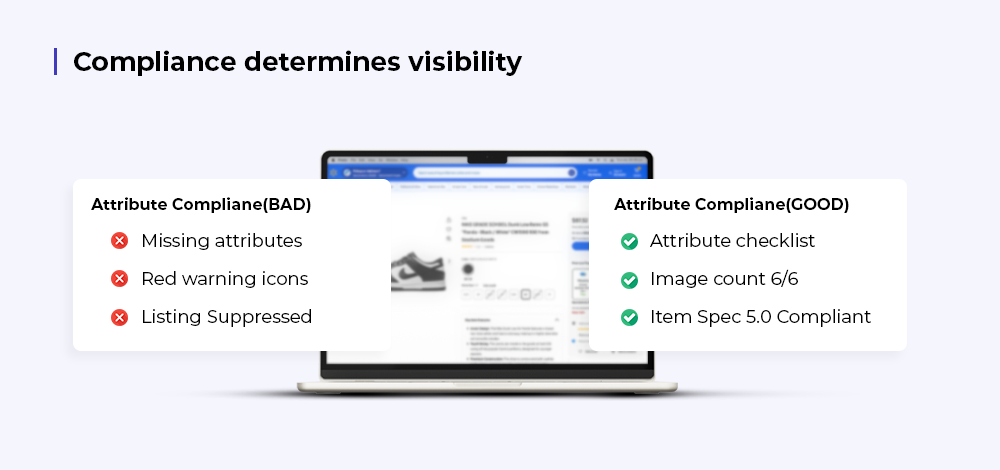
At scale, this process cannot live in spreadsheets. Enterprises increasingly use managed catalog engines such as CedCommerce’s Walmart integration to automate Item Spec mapping, validation, and error remediation before listings ever hit Seller Center.
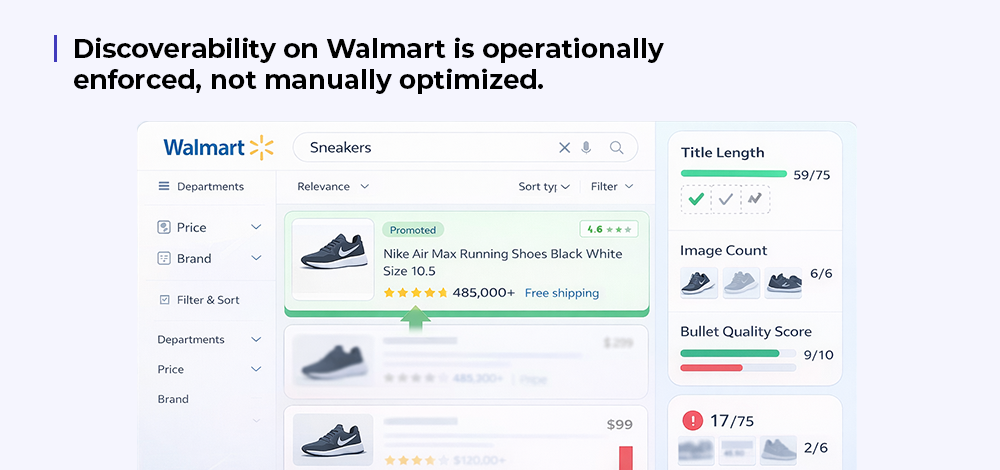
Walmart’s discovery is a mix of query matching, category shelving, and behavior signals. Enterprises should create content for both humans and search engines.
Operationalize this: run a daily content health dashboard (missing fields, suppressed listings, title length outliers) and integrate it into your QA pipeline. The most effective teams surface this directly inside their integration layer — so content quality becomes part of the same control system that manages inventory sync and order flow, rather than a disconnected SEO exercise.
Oversells and inconsistent inventory are leading causes of cancellations and bad reviews. At scale, you need:
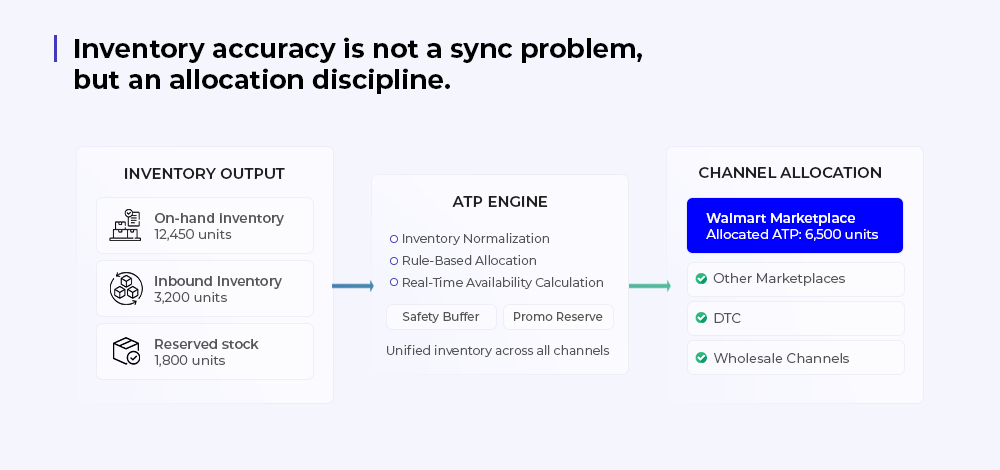
In practice, this only works when Walmart’s inventory is not managed in isolation. Enterprises use solutions like CedCommerce to maintain a single inventory truth across Walmart, Amazon, Shopify, and ERP — preventing Walmart’s growth from fragmenting multichannel operations.
Walmart offers multiple fulfillment paths: Seller-Fulfilled, Walmart Fulfillment Services (WFS), and third-party solution providers. Key principles:
Operational rule-of-thumb:
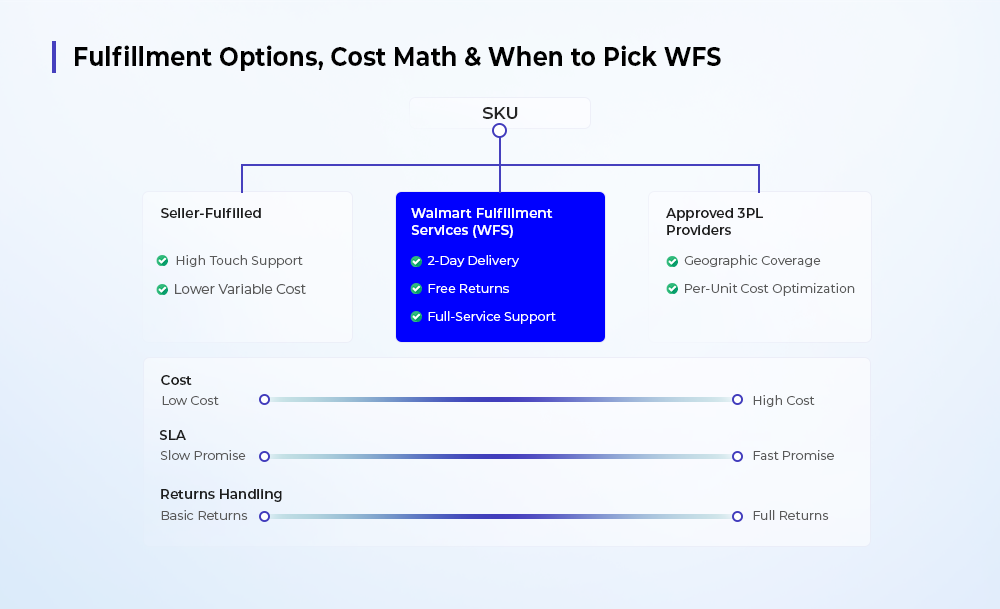
The hidden advantage: when fulfillment routing is controlled through a managed middleware layer (for example, CedCommerce’s integration), enterprises can change routing strategies without rewriting ERP logic or rebuilding Walmart integrations each time.
Walmart increasingly supports import pipelines and cross-border shipping into the U.S., helping sellers move inventory from Asia into WFS and fulfillment centers — a scale play that reduces landed cost and shortens inventory cycles. Use these programs if you can commit to a predictable replenishment cadence and compliance checks.
Checklist for Walmart marketplace operations for enterprise before using import programs:
At enterprise scale, manual handling is the bottleneck. Build triaged automation:
This is where CedCommerce becomes operationally critical — acting as the diagnostic and exception-handling layer that keeps Walmart issues from spilling into ERP chaos.
Customer experience KPI focus: on-time ship %, late dispatch rate, average handle time for tickets, and % of returns auto-processed.
Walmart referral fees vary by category, and promotional mechanics (Sponsored Products, Deals, Rollbacks) have different fee impacts. Enterprises must:
Operational governance makes scale predictable. A practical metrics stack:
Daily monitoring
Weekly
Monthly
Run a weekly ops war room (15–30 mins) that reviews exceptions, not status reports. The best teams pull these dashboards directly from their integration platform, where:
are visible across Walmart and other channels in one control view — instead of fragmented Seller Center exports.
Q: Should I put everything into WFS?
A: Not necessarily. Use WFS for high-velocity, repeatable SKUs where a two-day promise and returns handling improve conversion and reduce support costs. For bulky/irregular items, evaluate specialized 3PLs.
Q: How critical is Item Spec 5.0?
A: Critical — it’s the schema Walmart uses to drive relevance, rank your products, and power search filters. Treat it as a contract.
Q: How do I prevent oversells during promotions?
A: Reserve safety stock for promotion windows, gate ads on ATP, and use a soft cap on promotional commitments.
Walmart rewards operational correctness. The technical work — Item Spec compliance, ATP discipline, fulfillment routing — is not glamorous, but it is the lever that converts visibility into sustainable revenue.
The practical reality is this: as Walmart becomes a core enterprise channel, success depends less on tactics and more on infrastructure. Teams that build a governed operating model, supported by a managed systems layer such as CedCommerce, gain the ability to scale Walmart without fragmenting catalog truth, inventory accuracy, or fulfillment reliability across the rest of their commerce stack.
Treat this Walmart marketplace operations for enterprise guide as a systems blueprint. Implement the catalog-first rules. Automate inventory governance. Choose fulfillment by SKU economics. Make exceptions rare and fix once. Do that, and Walmart becomes not just a fast-growing channel — but a predictable, profitable growth engine for your enterprise.

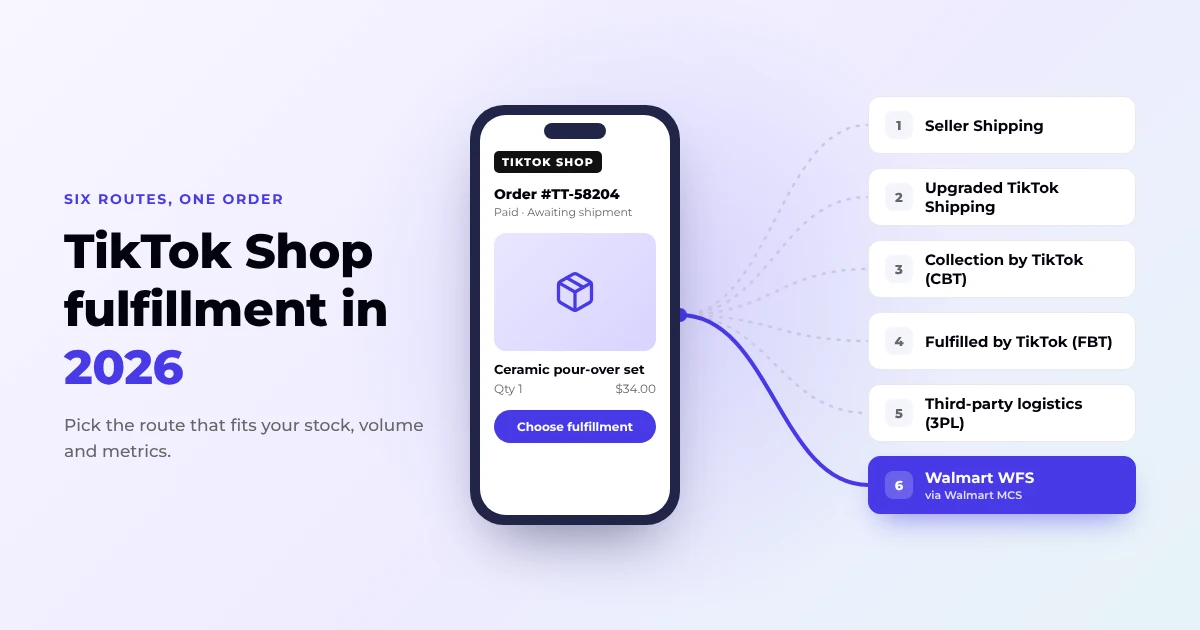
Reading Time: 14 minutes TikTok Shop fulfillment in the US now comes down to six…
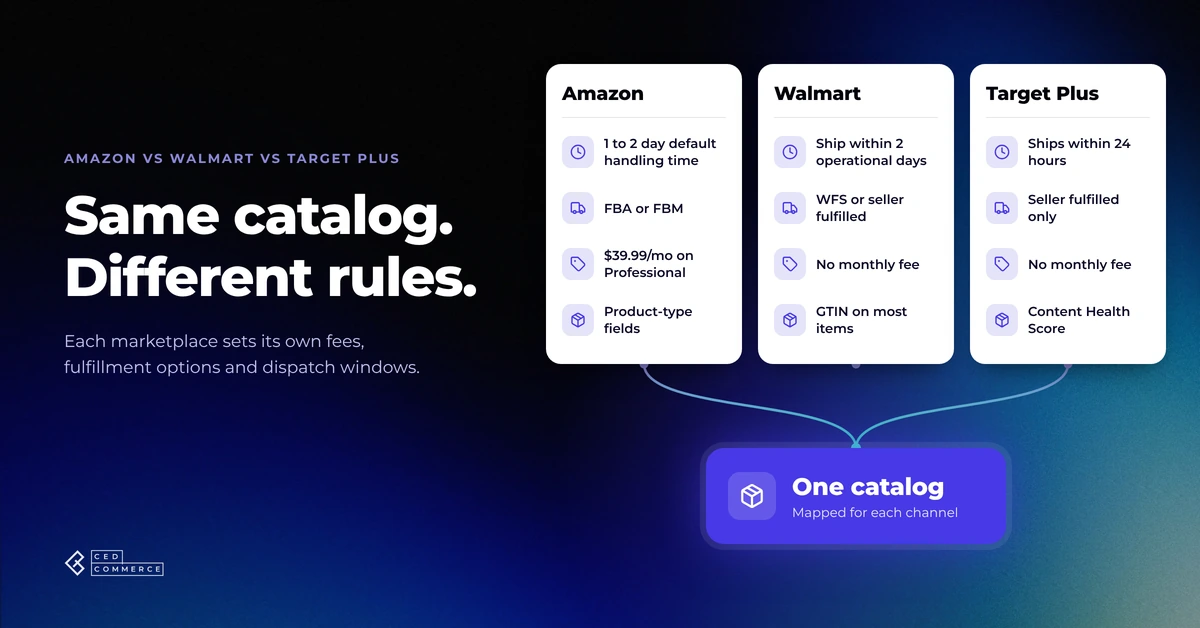
Reading Time: 11 minutes If you already sell on Amazon, adding Walmart or Target Plus…
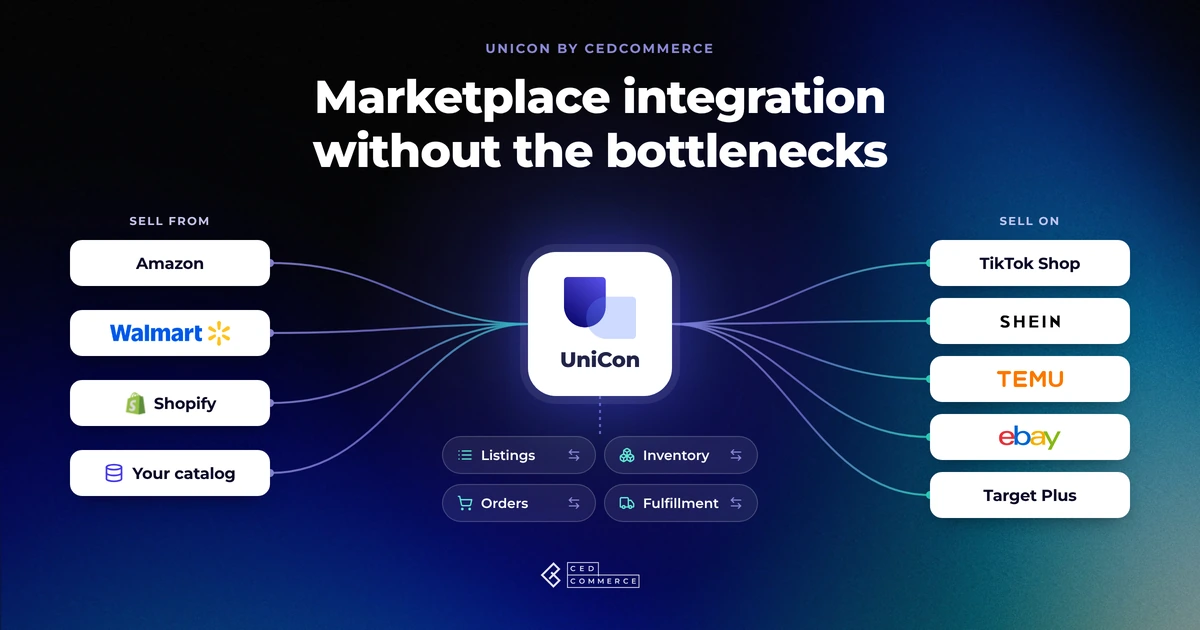
Reading Time: 13 minutes Selling on another marketplace sounds straightforward when you already have a…
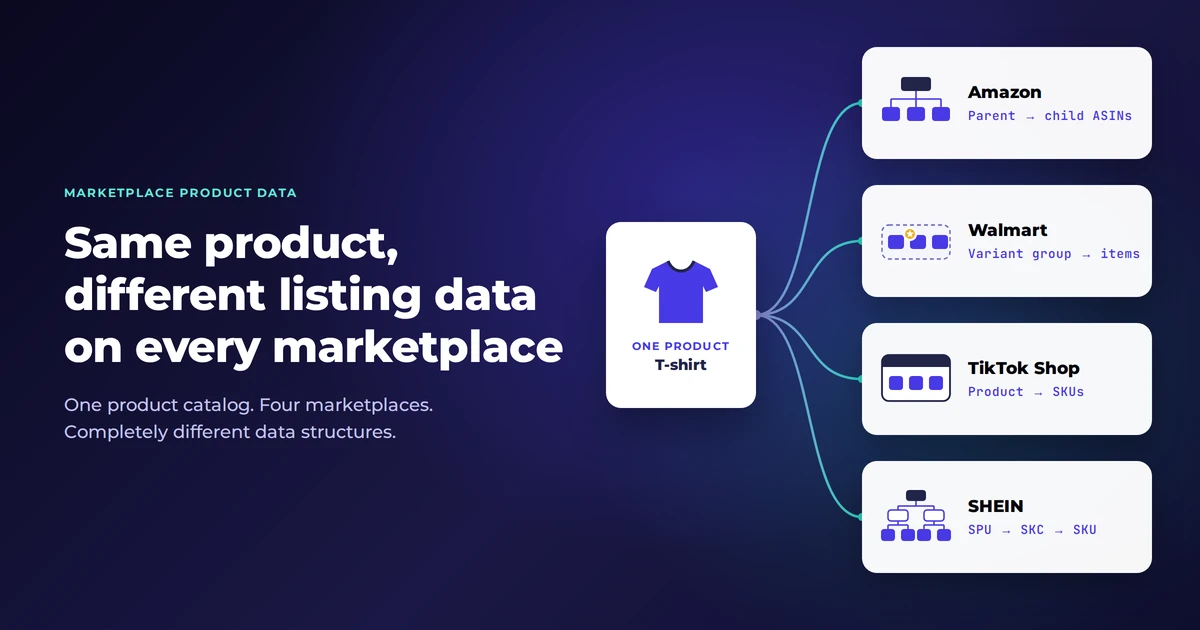
Reading Time: 11 minutes The same physical product can require a different listing structure on…
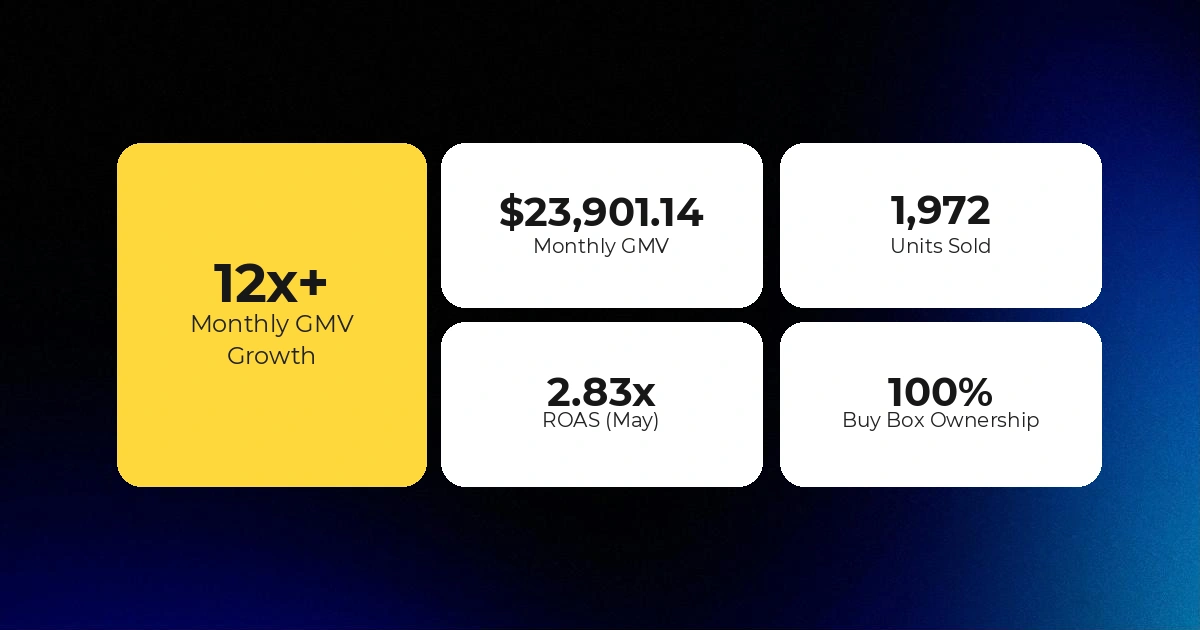
Reading Time: 3 minutes Section 1: About the Client Toadstool Seeds is an online seed…
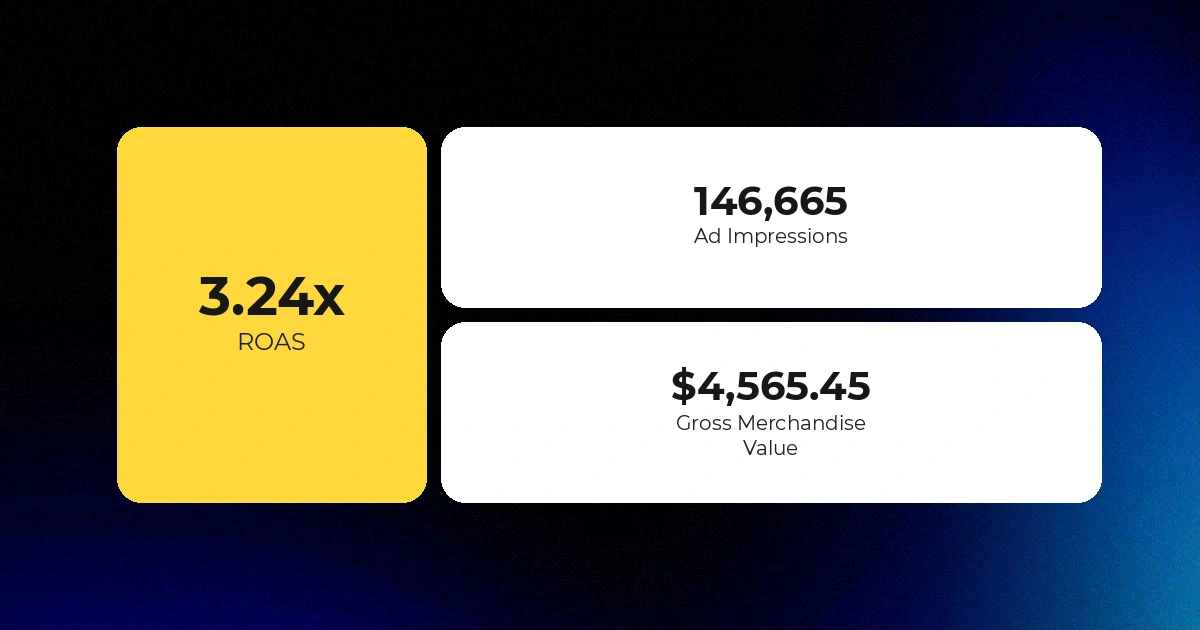
Reading Time: 3 minutes Section 1: About the Client LogOX is a premium outdoor and…
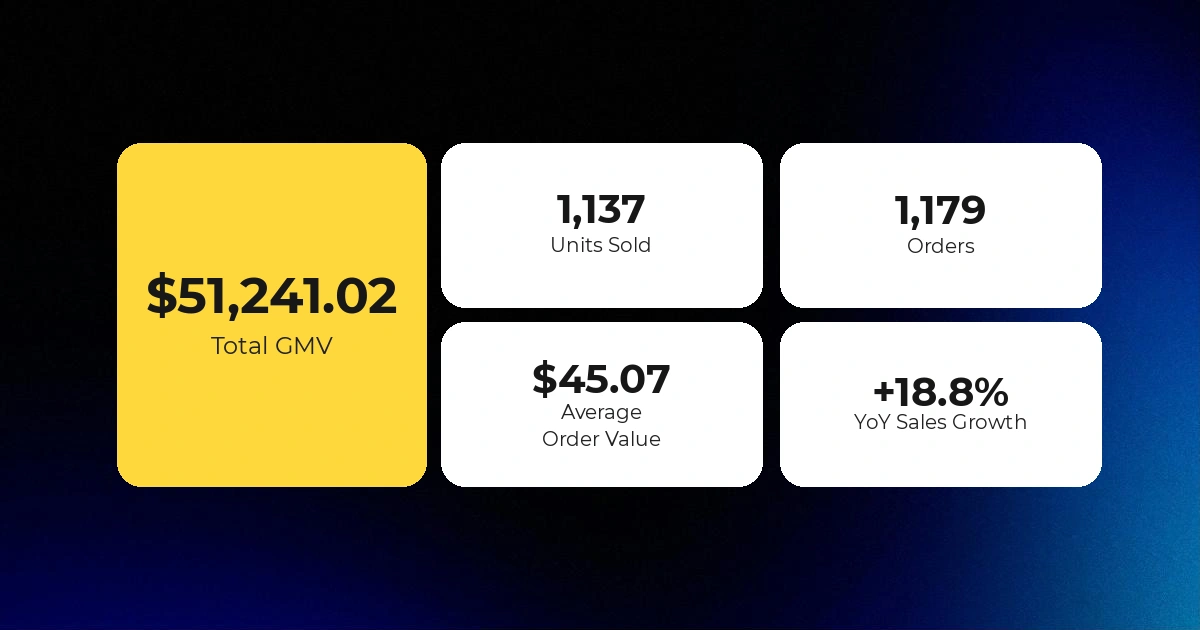
Reading Time: 4 minutes Section 1: About the Client General Jim’s Toys & Bricks is…

Reading Time: 1 minuteWalmart Marketplace has released new Seller Center enhancements designed to help sellers…
Reading Time: 13 minutes Every five years or so, a marketplace opens up just enough…

Reading Time: 4 minutes Walmart Expands Scrutiny on Product Claims Across Marketplace Listings Walmart Marketplace…