
CedCommerce Apps Are Now Available in Shopify Sidekick
Reading Time: 6 minutes Your marketplace stack may be connected, but your attention is still…

Running short of time? Get PDF of the blog in your mail.
A February, 2026 market update from SNS Insider projects that the global print-on-demand market will grow from $9.34B (2024) to $54.73B by 2032, clocking a 24.85% CAGR. The biggest fuel behind this rise? Personalization: customers want products that feel unique, custom, and “made for me,” especially across categories like apparel, accessories, home décor, and creator-led merchandise. (GlobeNewswire)
And here’s the key takeaway for sellers: POD wins because it removes the inventory headache. You can build a wide catalog, test new designs fast, and fulfill orders without holding stock, exactly why marketplaces like Etsy are packed with POD-driven shops and creative micro-brands targeting high-intent buyers. (GlobeNewswire)
In simple terms: buyers want unique products, and POD makes it easier for sellers to deliver that at scale.
Instead of competing on “more designs,” the winners will compete on:
If you’re building POD on Shopify and want Etsy growth without the manual grind, CedCommerce Etsy Integration helps you streamline Shopify → Etsy listing workflows and extend your reach by creating Pinterest Pins for wider discovery.
Coming soon: Multi-account connection, so power sellers and agencies can manage multiple Etsy shops from one dashboard.
Want growth beyond syncing? Our Etsy Marketing Services support SEO optimization, store audits, and conversion improvements to help POD shops scale sustainably.
POD on Etsy is getting bigger, not easier. What will help you win: Pick a clear niche, create listings that actually convert (photos, keywords, pricing), keep delivery expectations tight, and drive extra traffic from sites like Pinterest.
As more sellers jump on the bandwagon, “good enough” might get you started, but being easy to find and easy to trust is what pulls you ahead.

Reading Time: 6 minutes Your marketplace stack may be connected, but your attention is still…
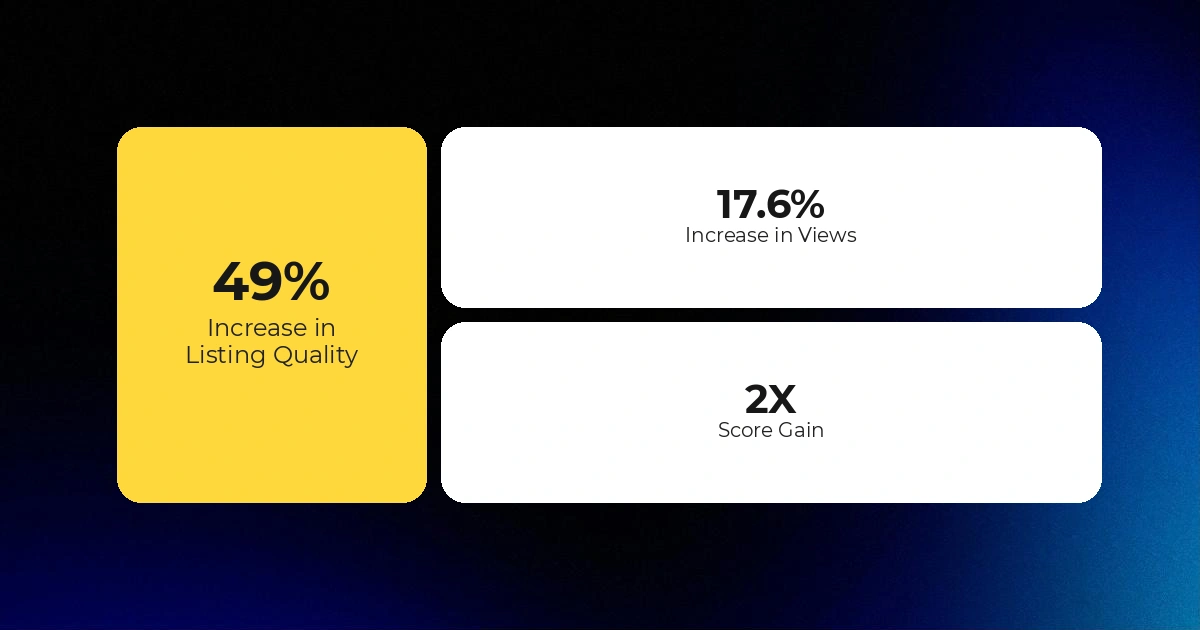
Reading Time: 3 minutes Section 1: About the Client ShopLogOX is a Vermont-based Etsy shop…
Reading Time: 4 minutes Etsy has introduced listing-level strategies for Etsy Ads, giving sellers more…
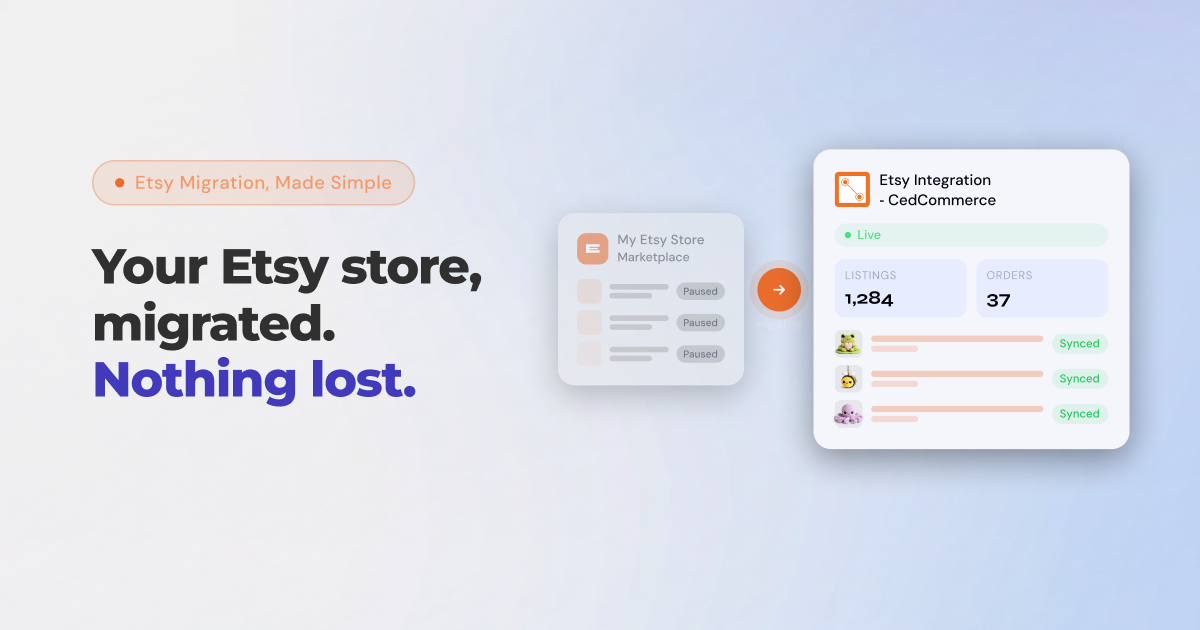
Reading Time: 8 minutes If you’ve been running your Etsy store through Shopify Marketplace Connect,…
Reading Time: 3 minutes Etsy is updating its Purchase Protection programme from 7 May, and…
Reading Time: 12 minutes From Etsy policy changes, such as fees and payments, to creativity…
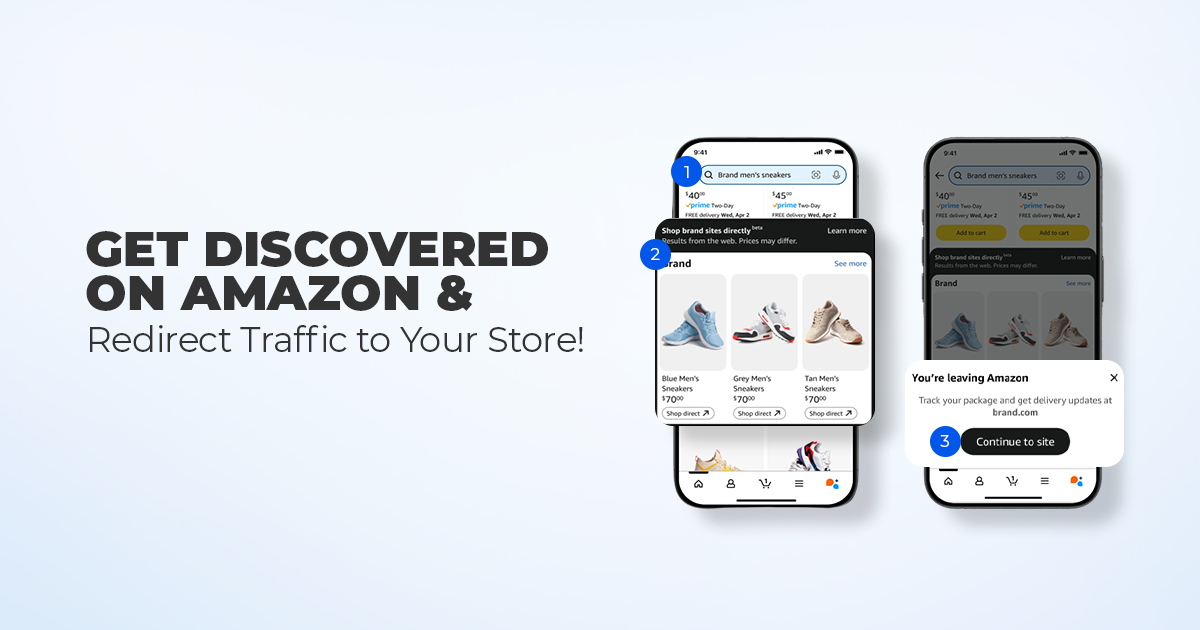
Reading Time: 11 minutes What if reaching hundreds of millions of Amazon customers didn’t mean…

Reading Time: 4 minutes eBay has agreed to acquire Depop from Etsy in an all-cash…

Reading Time: 13 minutes Print on demand on Etsy is no longer a low-effort side…

Reading Time: 10 minutes Did you end 2025 with excess stock and tighter margins, even…