Etsy SEO 2026, Pricing, Fulfillment & Scaling Strategy for Print on Demand Products
Reading Time: 13 minutes Print on demand on Etsy is no longer a low-effort side…

Running short of time? Get PDF of the blog in your mail.
Moreover, personalization is a core demand driver: 30% of GMS comes from custom or made-to-order items, which consistently command a 20–40% price premium. This is ideal for Etsy print on demand products. However, Etsy’s 2025 Creativity Standards mean sellers must adapt due to stricter production partner disclosures, cleaner listings, and stronger keyword alignment.
This guide breaks down everything you need to start a print-on-demand Etsy shop, choose the right products, stay compliant, optimize SEO, and scale using automation, with the latest 2025–26 data, policies, and search behaviors.
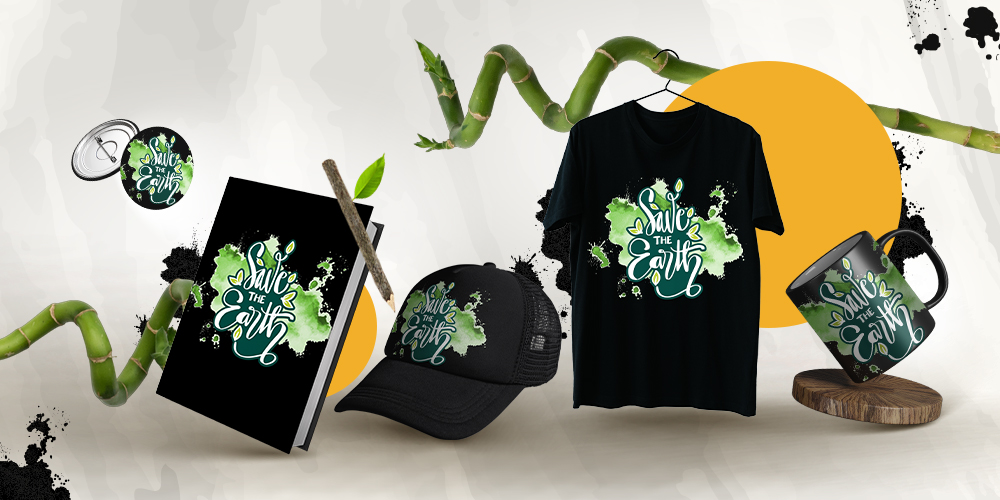
Do you want to launch a low-cost business, test multiple niches quickly, and sell products people are actively searching for? Then, selling print on demand on Etsy is one of the strongest models for 2026.
Print-on-demand (POD) is a fulfillment model where you create designs, upload them to products, and your production partner prints and ships each order as it comes in. This means no inventory, no bulk purchasing, and no upfront risk. For creators who want to run a lean business, POD removes operational barriers and lets you focus on design, branding, and customer experience.
Print-on-Demand (POD) on Etsy is a highly popular and profitable starting point. Etsy’s audience actively seeks customized and niche items, and the marketplace simplifies the learning curve for new sellers.
Moreover, Etsy allows you to build a branded storefront, highlight your design story, and create product depth—critical elements for long-term success.
At its core, the POD business model is simple: you focus on creating the design; your production partner handles everything else. Here’s how it works, step by step:
This is what makes print on demand particularly attractive for Etsy sellers. It’s a scalable system: once you upload a design, it can continue generating sales without additional work. And as trends shift or seasons change, you can test new niches quickly—adding or removing listings without financial waste.
You can sell print-on-demand products almost anywhere. However, choosing the right marketplace depends on your goals, your niche, and how much effort you want to put into branding, marketing, and customer ownership.
Etsy is the easiest platform to validate print on demand ideas quickly and profitably.
Ideal for: Beginners, niche-focused sellers, designers, personalization-led shops.
Why it works:
POD on Amazon leans toward volume selling rather than niche branding.
Ideal for: Advanced sellers aiming for mass-market sales.
Pros:
Cons:
These platforms handle traffic, fulfillment, and listing optimization but offer limited control over branding and margins.
Ideal for: Artists who want a passive, upload-and-go model.
Pros:
Cons:
Shopify gives you full ownership of your brand, but no built-in traffic.
Ideal for: Sellers ready to scale beyond marketplaces.
Pros:
Cons:
Most successful POD sellers pair Etsy for discovery with Shopify for repeat sales.

Bottom line: If you’re starting POD in 2026, Etsy remains the most profitable and beginner-friendly option. Once you validate your niche and gain traction, expanding to Shopify or Amazon helps build a long-term, multi-channel POD strategy.
While sellers can get an Etsy shop live within a day, long-term growth comes from setting it up correctly from the start. Below is a simple, structured breakdown to help you launch your Etsy print-on-demand shop without missing compliance rules
or critical optimizations.
Begin by choosing your basic preferences such as language, currency, and country. Next, create a shop name that is SEO-friendly, memorable, and aligned with your niche.
Example: PetJoyPrints for pet lovers
Tips for choosing your shop name:
Once your shop name is locked in, Etsy will guide you through the initial onboarding before you start listing products.
Etsy requires sellers to disclose production partners, and its 2025 Creativity Standards make this mandatory. Getting this step right is critical for compliance.
Popular POD suppliers include:
After creating your supplier account, connect it to Etsy. While these platforms handle printing and shipping, they do not manage catalog optimization, product syncing, inventory rules, or multi-channel workflows.
Buyers trust shops with clear communication—and Etsy rewards them with better visibility.
Make sure your shop includes:
Etsy shoppers value authenticity. Even a simple explanation of why you create your designs or who your products are for can significantly improve conversion rates.
This step is essential. Missing production partner details can lead to listing removal or account restrictions.
For every POD listing, you must:
Why Etsy requires this: It ensures transparency for buyers and confirms that POD listings follow Etsy’s handmade and creativity standards. Once this is completed, your listing is compliant and ready to publish.
What you choose to sell matters. Etsy print-on-demand products are most profitable when you focus on categories with strong demand, healthy margins, and year-round relevance. Below is a breakdown of POD product categories and niches that consistently perform well on Etsy.
These categories offer broad creative freedom, repeat-purchase potential, and scalable design opportunities.

In addition to proven categories, early testing of emerging niches can give sellers a competitive edge.
Validating each idea before listing helps you focus on profitable POD products instead of overcrowding your shop with low-performing designs.
With stricter Creativity Standards rolled out in 2025, Etsy now prioritizes originality, clear creative involvement, and transparent production workflows. As a result, POD designs must feel intentional, niche-specific, and visually distinct to remain competitive.
Below is a practical framework for creating print-on-demand designs that actually sell in 2026.

Etsy may suppress listings that appear repetitive, derivative, or mass-produced. Creative direction now directly impacts search visibility and listing performance.
What you can use:
What you cannot use:
Etsy buyers are highly visual and emotion-driven. In 2026, the highest-converting POD designs typically fall into a few proven creative styles.
Niche-driven designs consistently outperform generic ones, especially when connected to identity-based themes:
Trend-aligned designs also perform better in Etsy’s mobile-first search grid, where thumbnails must capture attention within seconds.
Copyright and trademark violations are among the most common reasons Etsy POD shops are suspended or permanently removed. This makes compliance non-negotiable.
Avoid using:
Before publishing a design:
Etsy treats infringement as a high-severity violation. Repeat offenses can lead to permanent account removal. When in doubt, create original assets or work exclusively with properly licensed content.
Running a profitable Etsy POD shop requires the right mix of tools to design efficiently, validate product ideas, optimize SEO, manage daily operations, and scale across channels. Cross-check your toolkit against the list below to see where you may be missing opportunities.
Use these tools to meet Etsy’s 2025 Creativity Standards while maintaining originality, which is now a key ranking factor.
These tools reduce guesswork and help you create listings that align with how Etsy buyers actually search.
With 44.5% of Etsy GMS coming from the mobile app, strong visuals are critical. These tools help create scroll-stopping thumbnails and product imagery.
As your POD shop grows, tracking finances and workflows becomes essential.
These partners handle printing and fulfillment while you focus on design and growth.
Growing a POD shop on Etsy requires consistent visibility, strategic positioning, and ongoing optimization. CedCommerce’s Managed Marketing Services for Etsy are built to help POD sellers scale without juggling multiple tools or platforms.
With CedCommerce, you get:
CedCommerce becomes your marketing engine, helping your Etsy POD shop grow consistently while you focus on creating. Explore CedCommerce’s Managed Marketing Services for Etsy
Etsy remains the most accessible place to start a print-on-demand business due to its low risk, high-intent buyers, strong demand for personalization, and a rapidly growing mobile-first audience. Success in 2026 comes down to choosing the right products, creating original designs, staying compliant with Etsy’s Creativity Standards, and optimizing listings with the right keywords, visuals, and seasonal timing.
As your shop gains traction, manual work quickly becomes a growth bottleneck. This is where CedCommerce’s Etsy Integration gives POD sellers a clear operational advantage.
With CedCommerce, you unlock:
Take your print on demand Etsy business to the next level with CedCommerce’s Etsy Integration—your all-in-one launchpad for smarter listings, faster scaling, and multi-channel expansion.
1. Is selling print-on-demand on Etsy still profitable in 2026?
Yes, but competition is higher than 2020-2021. Realistic profit margins: 10-25% for beginners, 30-45% for experienced sellers. Success requires unique designs, strong SEO, and strategic pricing. Global POD market growing at 23-26% CAGR through 2034.
2. How much money do I need to start Etsy POD?
$0-50 to start. Etsy shop creation is free. No inventory costs. Optional: Premium design tools ($10-30/month), research tools ($20/month), sample orders ($30-100). Total recommended starting budget: $100-300 for first month.
3. Do I need to disclose my POD supplier on Etsy?
Yes, mandatory since 2024. Must add production partner (Printful, Printify, etc.) to listing details and shop About section. Failure to disclose violates Etsy policy and can result in listing removal or suspension.
4. Can I use AI to create designs for Etsy POD?
Yes, as of 2025, but must disclose AI use in listing description. Designs must show “significant creative input” beyond simple prompts. Cannot use stock designs from Canva/Creative Fabrica without modification. Original, AI-assisted designs are acceptable.
5. What are the best POD products to sell on Etsy in 2025?
Top sellers: (1) Custom t-shirts/apparel, (2) Mugs/drinkware, (3) Tote bags, (4) Phone cases, (5) Wall art/canvas prints, (6) Hoodies, (7) Pet accessories, (8) Baby products, (9) Stickers, (10) Personalized jewelry.
6. How long does it take to make first sale on Etsy POD?
Variable: 2-12 weeks average. Factors: Niche competition, listing quality, SEO strength, seasonal timing. Sellers listing 50+ products with excellent SEO typically see first sale within 2-4 weeks. Patience and consistency critical.
7. Should I use Printful or Printify for Etsy?
Printful if: You prioritize quality consistency, want extensive branding options, sell premium products. Etsy if: You’re budget-conscious, want widest product selection, need supplier flexibility. Many successful sellers use both for different product categories.
8. How do I avoid copyright issues selling POD on Etsy?
(1) Create 100% original designs,
(2) Don’t use Disney, sports logos, celebrity names, brand trademarks,
(3) Check USPTO trademark database before listing,
(4) Use licensed graphics only with commercial rights,
(5) Avoid fan art of copyrighted characters.
9. What profit margin should I aim for on Etsy POD?
Target: 40-50% profit margin at regular price (before 20% flash sale discount). After all fees and production costs, aim for $8-15 profit per item. Example: $25.99 t-shirt – $8.50 production – $4 fees = $13.49 profit (52% margin).
10. When should I list seasonal products on Etsy?
Rule: List 45-90 days before peak demand. Christmas products: Start listing July-September. Halloween: List June-August. Valentine’s Day: List November-December. Algorithm favors aged listings with engagement history.
11. Can I sell on both Etsy and Shopify with POD?
Yes, recommended strategy. Use Etsy for traffic/discovery, Shopify for branding/repeat customers. CedCommerce integration syncs inventory, pricing, orders across both platforms. Price products 10-20% higher on Etsy to account for fees.
12. How many listings do I need to be successful on Etsy POD?
Minimum: 50-100 listings to test viability. Ideal: 200-500+ for consistent sales. Quality matters more than quantity. 20 excellent listings with great SEO/mockups outperform 100 mediocre ones. Successful shops add 10-30 new listings weekly.