
CedCommerce Apps Are Now Available in Shopify Sidekick
Reading Time: 6 minutes Your marketplace stack may be connected, but your attention is still…

Running short of time? Get PDF of the blog in your mail.
eBay has agreed to acquire Depop from Etsy in an all-cash transaction valued at $1.2 billion.
At its core, this is not simply a portfolio reshuffle. It is a strategic move to win a specific job in the market: becoming the default destination for the next generation of fashion resale buyers and sellers.
The deal reflects a clear shift in how value is created in re-commerce. Scale alone is no longer sufficient. Platforms must help younger consumers express identity, participate in culture, and buy sustainably — all within mobile-native, community-driven environments.
eBay’s struggle:
Despite being one of the largest resale platforms globally, eBay has faced perception challenges among Gen Z and younger millennial consumers. Its marketplace is broad and transaction-focused — strong on supply and infrastructure, weaker on cultural relevance.
The Goal:
Help eBay become culturally relevant and mobile-native for younger fashion consumers without rebuilding its core platform from scratch.
Depop fulfills that job.
Nearly 90% of Depop’s users are under 34. The platform blends commerce with social interaction, allowing users to follow sellers, curate storefronts, and discover fashion through peer influence rather than search-driven utility alone.
Instead of building a youth-native resale experience internally, a slow and risky path, eBay is acquiring one that already works.
Depop’s users — roughly seven million active buyers and over three million sellers — are hiring the platform to:
Its U.S. business grew approximately 60% last year, with gross merchandise sales approaching $1 billion.
But Depop also faces constraints common to independent platforms:
By joining eBay, Depop is effectively hiring a larger parent to solve its next-stage scaling job.
For Etsy, the sale represents progress toward a different job:
Refocus the company on its core handmade, vintage, and craft marketplace while freeing capital and management attention.
Etsy originally acquired Depop in 2021 for $1.6 billion. While the resale category remains strong, Depop operated adjacent to Etsy’s core positioning. Over the past year, Etsy has divested non-core assets, including Reverb, signaling a portfolio simplification strategy.
The sale, though below the original purchase price, allows Etsy to concentrate resources on the marketplace where it has the strongest strategic coherence.
The acquisition also reflects a structural shift in the apparel industry.
The global resale market is projected to reach $367 billion in the coming years, expanding at roughly three times the rate of traditional apparel retail. In the United States alone, secondhand apparel is expected to reach $74 billion by the end of the decade.
For many younger consumers, resale is no longer an occasional alternative. It is the primary channel for fashion purchases.
The job consumers are trying to solve:
Platforms that combine transaction efficiency with cultural identity are increasingly winning this demand.
Depop strengthens eBay across multiple dimensions of progress:
1. Functional Job: Scale Fashion Resale: Fashion is one of eBay’s focus categories, collectively generating $10 billion in GMV and growing 10% year over year. Depop adds high-growth, mobile-native supply and demand to that engine.
2. Emotional Job: Modernize Brand Perception: eBay gains access to a culturally relevant brand that resonates with Gen Z. This helps address long-standing perception gaps among younger audiences.
3. Social Job: Participate in Community-Driven Commerce: Depop’s model blends resale with social discovery — allowing users to follow sellers and engage in trend ecosystems. This supports the shift from search-led marketplaces to community-led commerce.
Under eBay’s ownership, Depop is expected to benefit from:
These are not simply features. They reduce friction in the job users are already trying to accomplish: buying and selling fashion as an expression of identity and sustainability.
The transaction works because each party is solving a different strategic job:
The long-term outcome will depend on execution, particularly whether eBay can preserve Depop’s community-driven culture while integrating operational capabilities.
If the cultural layer erodes, the job that Depop users hire the platform to do — identity expression and community participation — weakens. If preserved and amplified, eBay meaningfully strengthens its position in one of retail’s fastest-growing categories.
Resale is no longer niche. It is an infrastructure for how younger consumers buy fashion. This acquisition signals that major marketplaces are aligning themselves around that reality.

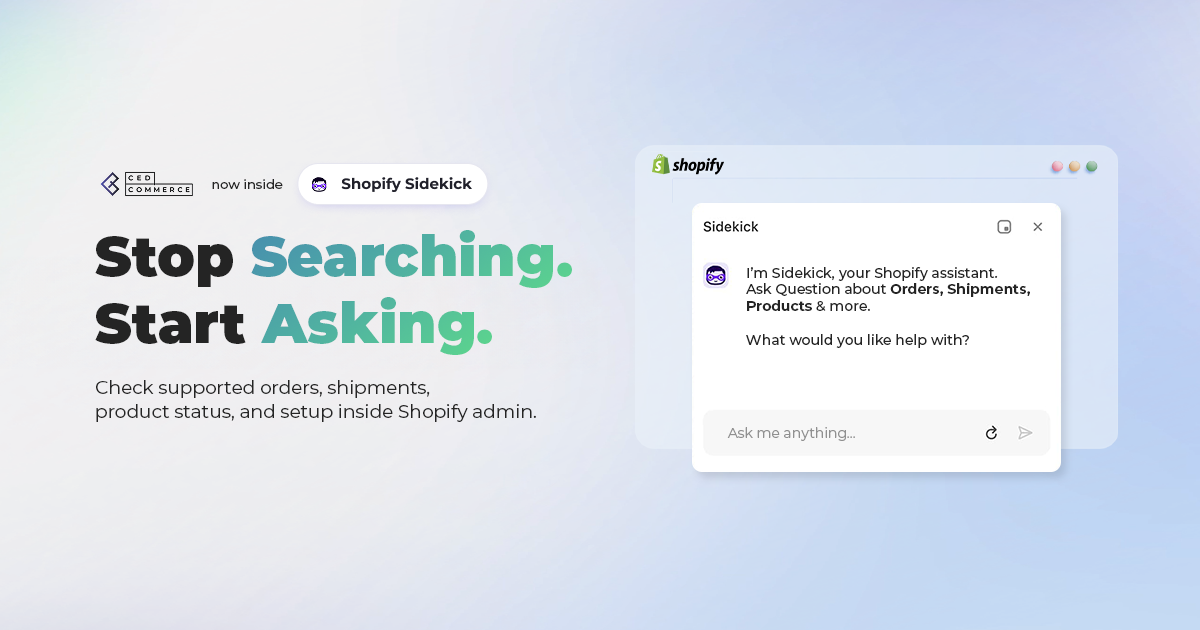
Reading Time: 6 minutes Your marketplace stack may be connected, but your attention is still…
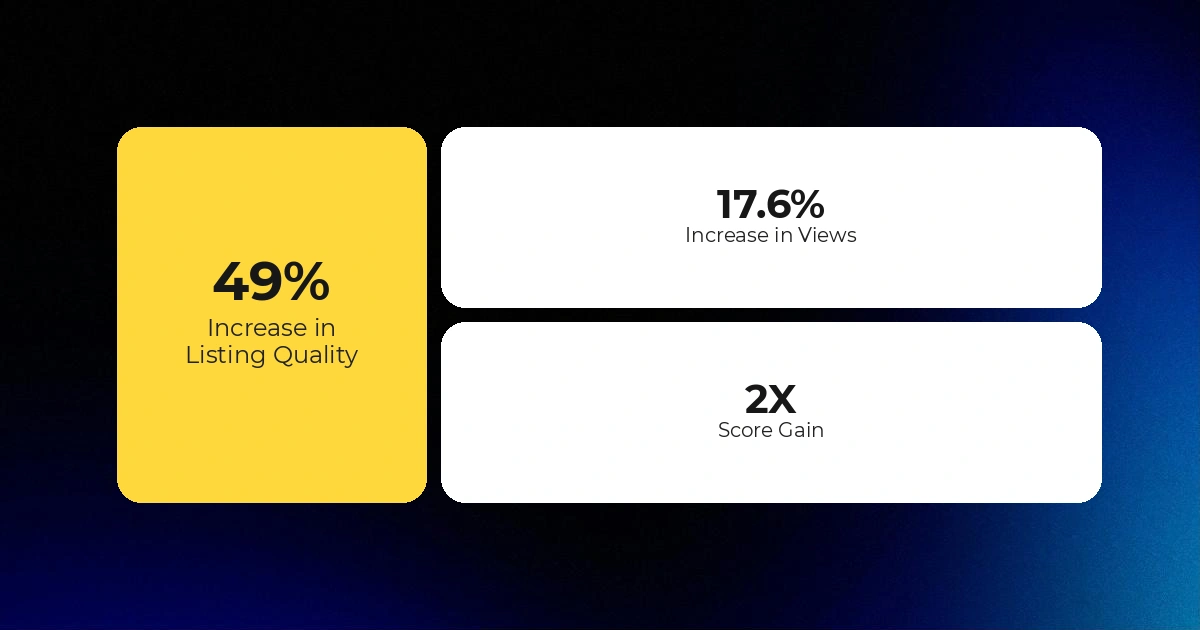
Reading Time: 3 minutes Section 1: About the Client ShopLogOX is a Vermont-based Etsy shop…

Reading Time: 4 minutes Etsy has introduced listing-level strategies for Etsy Ads, giving sellers more…
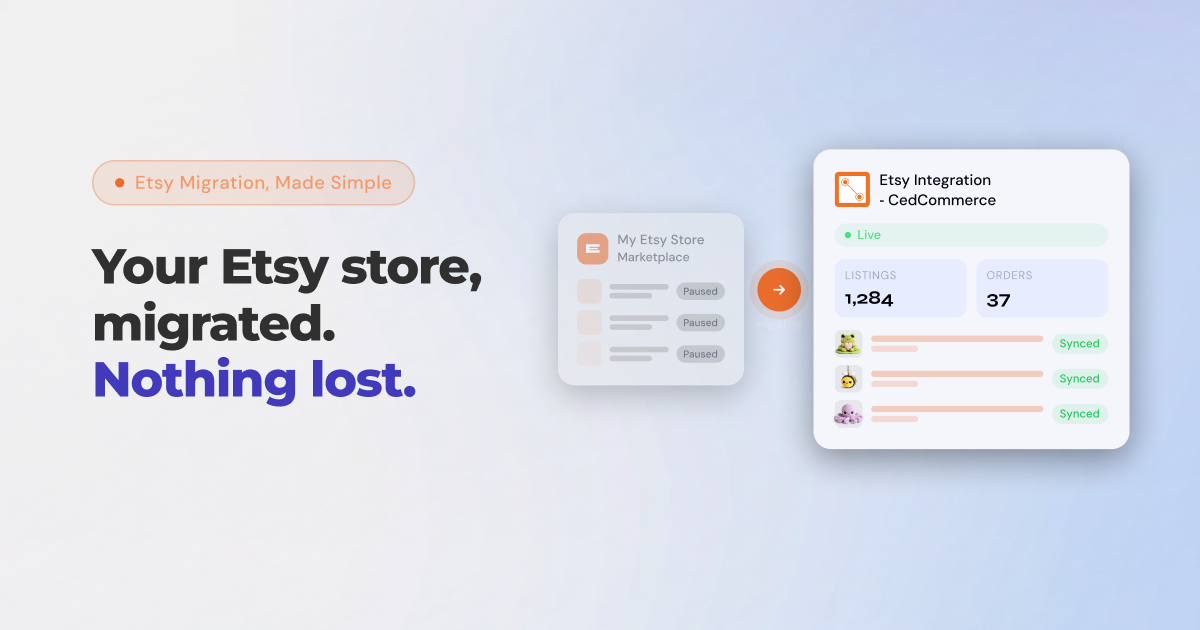
Reading Time: 8 minutes If you’ve been running your Etsy store through Shopify Marketplace Connect,…
Reading Time: 3 minutes Etsy is updating its Purchase Protection programme from 7 May, and…

Reading Time: 12 minutes From Etsy policy changes, such as fees and payments, to creativity…

Reading Time: 11 minutes What if reaching hundreds of millions of Amazon customers didn’t mean…

Reading Time: 3 minutes A February, 2026 market update from SNS Insider projects that the…

Reading Time: 13 minutes Print on demand on Etsy is no longer a low-effort side…

Reading Time: 10 minutes Did you end 2025 with excess stock and tighter margins, even…