
AI Holiday Shopping: Can Buyers Find Your Products?
Reading Time: 5 minutes AI holiday shopping is moving product research into chat. Shoppers ask…

Running short of time? Get PDF of the blog in your mail.
In a notable shift within Germany’s eCommerce landscape, Shopify has taken the top position as the most widely used software among small and medium-sized enterprises (SMEs) in Germany. According to a recent study by Uptain, Shopify holds a 39.9% market share, outpacing traditional German platforms like Shopware and JTL, which hold 25.1% and 12.3% of the market, respectively. This achievement highlights Shopify’s growing influence in the region, propelled by its user-friendly interface and accessible pricing.
The report underscores the significant rise of Shopify in Germany, marked by a 35.5% increase in market share since 2018. Its appeal to businesses stems from features that simplify the online selling process, making it an attractive choice for SMEs looking to establish a digital presence quickly. The platform’s ability to integrate with various tools and customize storefronts has made it especially appealing to merchants seeking a flexible yet robust solution.
While Shopify has taken the lead, German-based solutions like Shopware and JTL remain relevant. Shopware, with its 25.1% share, is favored by businesses seeking more localized support and a focus on complex customizations. JTL, at 12.3%, offers a strong presence among those needing inventory management and warehousing capabilities tightly integrated into their eCommerce operations. Both continue to maintain loyalty among segments that prioritize tailored solutions over out-of-the-box functionality.
The study also revealed that custom-built eCommerce solutions attract the highest online traffic. Such solutions account for over 53% of visits in Germany’s online retail sector. However, Shopify’s emphasis on simplicity and streamlined onboarding processes makes it a preferred choice for many SMEs. This is particularly relevant for businesses that may not have the technical expertise or resources to manage more complex platforms. It allows them to launch stores efficiently and focus on scaling.
Experts anticipate that the influence of Shopify in the Germany market will continue to grow in the coming years, given its adaptability and continuous feature updates. With a global network of partners and developers, the platform is expected to expand its ecosystem in Germany, catering to a broader range of industries and business needs. As digital commerce becomes more integral to retail strategies, Shopify’s commitment to providing accessible eCommerce solutions could further solidify its dominance in the market.
The findings from the Uptain study emphasize a shift in Germany’s eCommerce ecosystem. Shopify has set new standards for user accessibility and growth potential. While local platforms maintain a significant presence, Shopify’s rapid rise demonstrates the increasing demand for ease of use and scalability. As competition continues to evolve, the German eCommerce market aims for further innovation and expansion, with Shopify leading the charge.
Source: eCommerce News Europe


Reading Time: 5 minutes AI holiday shopping is moving product research into chat. Shoppers ask…
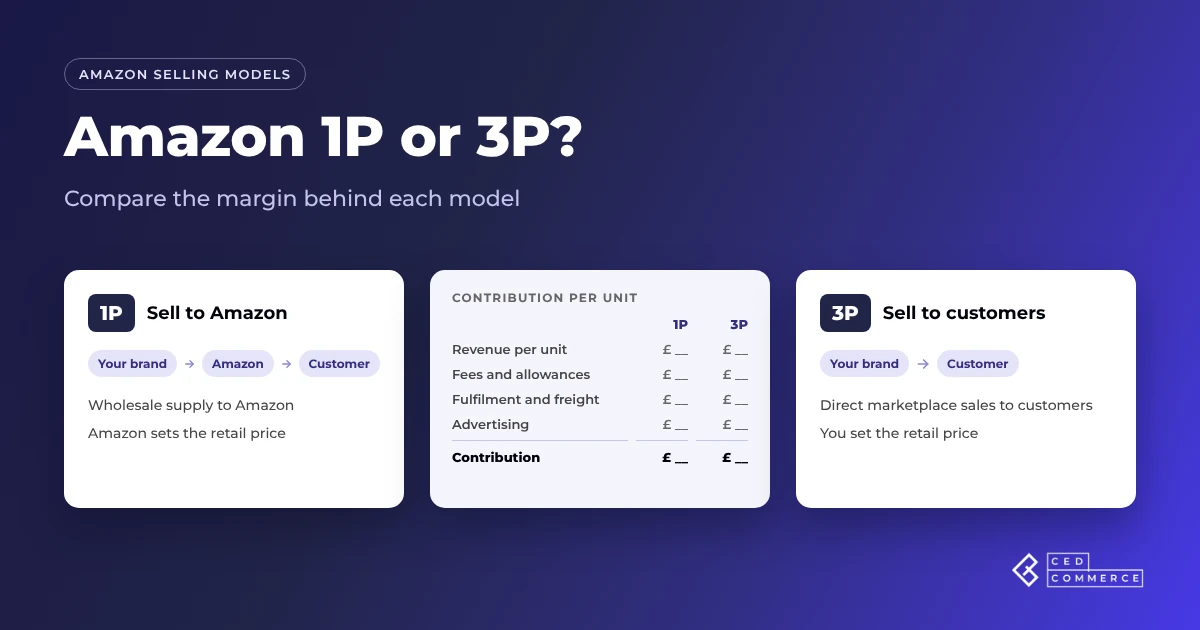
Reading Time: 5 minutes Amazon 1P vs 3P comes down to who sells to the…

Reading Time: 4 minutes Prime Business Rewards UK is a new points programme for Amazon…
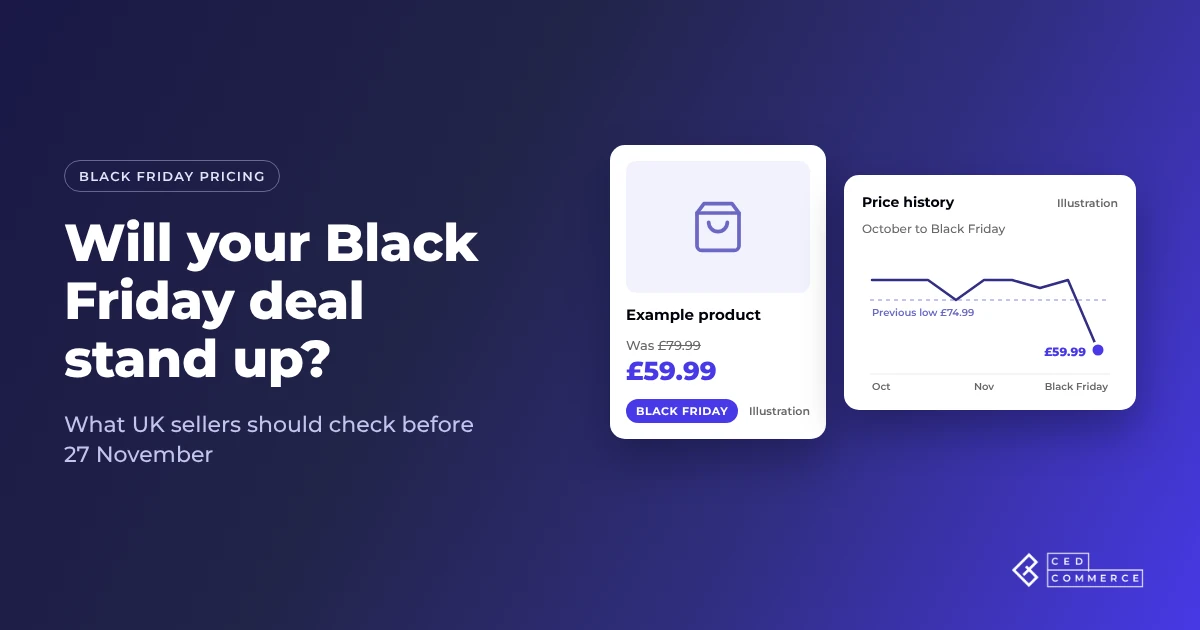
Reading Time: 5 minutes Black Friday pricing is getting a harder look from UK shoppers…

Reading Time: 8 minutes Shopify Marketplace Connect is ending its Etsy connection. The email notice…

Reading Time: 3 minutes TikTok Shop updated its Cross-Border Seller Academy guidance on AI-generated content…

Reading Time: 3 minutes Amazon announced its 2027 US Fulfillment by Amazon (FBA) fees on…

Reading Time: 3 minutes One LIVE shopping session can bring in more revenue than a…

Reading Time: 3 minutes Before you buy another lot of vintage stock, look through what…

Reading Time: 3 minutes When you sell a used phone, the difference between light wear…