
Inventory Not Syncing? Here’s What It’s Really Costing You and How to Fix it
Reading Time: 15 minutes Your marketplace app does not sync continuously. It syncs on a…

Running short of time? Get PDF of the blog in your mail.
Taking your business online is the best choice you can make in 2022. Do you want to make the next best choice for your business? Sell it online! Building an online store is a daunting obstacle that you can overcome when creating your store with Shopify. If you want to sell online, then Shopify is the right choice for you. This platform comes with spine-tingling features and tools with which scaling your business becomes a joyful ride with valuable learnings. What you are going to read further is a definitive guide to Shopify store setup, and with the help of this guide, you can create a Shopify store in 6 easy steps.
To sign up with Shopify, you need to register a domain with the name of your business. Add products and create unique collection pages (or collection pages in a unique way). Configure shipping and payment settings and launch your Shopify store.
It might take a few strokes of luck before your store gains momentum. By following these 6 steps, you will not only create a Shopify store. The overall process becomes engaging and entrepreneurial learnings will be a part while you set up Shopify store. If you need assistance, then our team of experts is at your service. Yes, we build Shopify stores on your behalf.
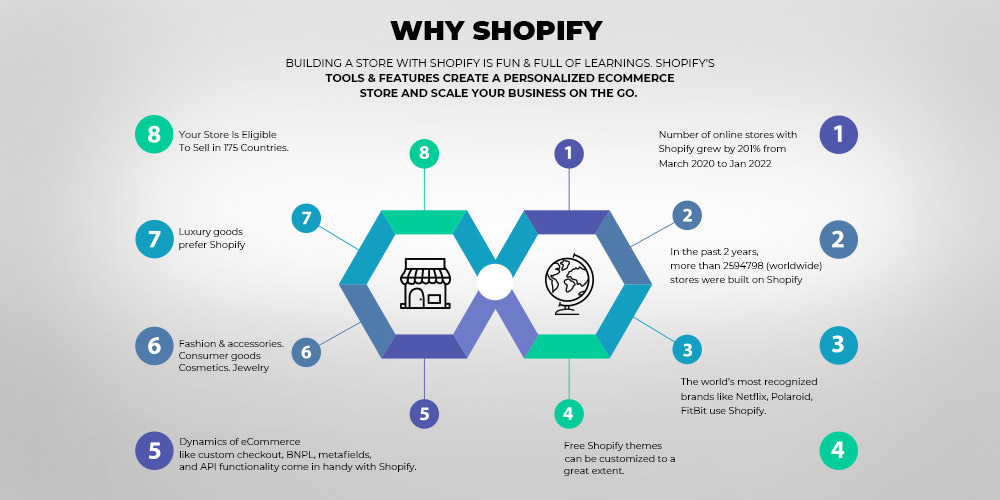
Before configuring, personalizing, and testing your store comes an essential requisite – create your account on Shopify. If you have just started your business, decide on a quirky and catchy name for your online store. Try Shopify’s business name generator tool. Describe your business, and this tool will suggest catchy names for your Shopify store.
Register a domain with the name. A domain is the web address where your business goes to find your store. By default, your Shopify store has a myshopify.com URL. To modify it, you need to add a custom domain. For example – www.yourbusinessname.com
You can also buy a new domain through Shopify or connect an existing one to Shopify. If you are already running your online store, you can transfer your domain to Shopify. Domain setup is the basics of Shopify store setup, so make sure you spend quality time. If you need assistance, you can consult our Shopify experts, who will help map your domain to your Shopify account.
Do you know what the 2nd USP of your Shopify store is? It is the theme. A theme decides your store’s look and feels, navigation, menu setup, product assortment, and content layout. To pick a suitable theme, you need to understand the products you’re selling and pick a theme that resembles both of them.

See? It is simple. You will be halfway through your Shopify store setup if you do some brainstorming and research. You can choose from numerous free and paid themes to create your Shopify store.
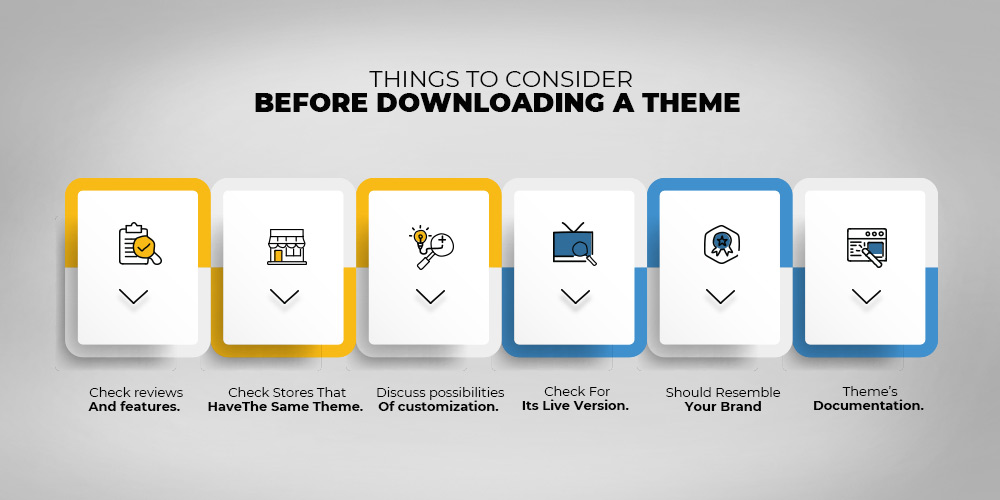
Store’s name, domain, and theme are the absolute basics of Shopify store setup. You can consult Shopify experts, who will assist you with installing and customizing your store’s theme. We build Shopify stores only after understanding your requirements and expectations.
When you add products to your Shopify store, you must upload pertinent details with clear images. If you have different versions of your products, you can add variants for each option available. You need to emphasize this part of your Shopify store setup. Follow these steps to add products –
But what if you’re selling numerous products? Adding them one at a time will be a daunting task. If you have a bulk quantity of products to sell, you can add all of them at once by uploading a . CSV file.
Last year, Shopify introduced metafields that unlock new possibilities. For example, if you manage an apparel store with Shopify, you can add a size chart or delivery estimate to products pages. At CedCommerce, we build Shopify stores by wisely utilizing metafields to provide a dynamic and personalized shopping experience.
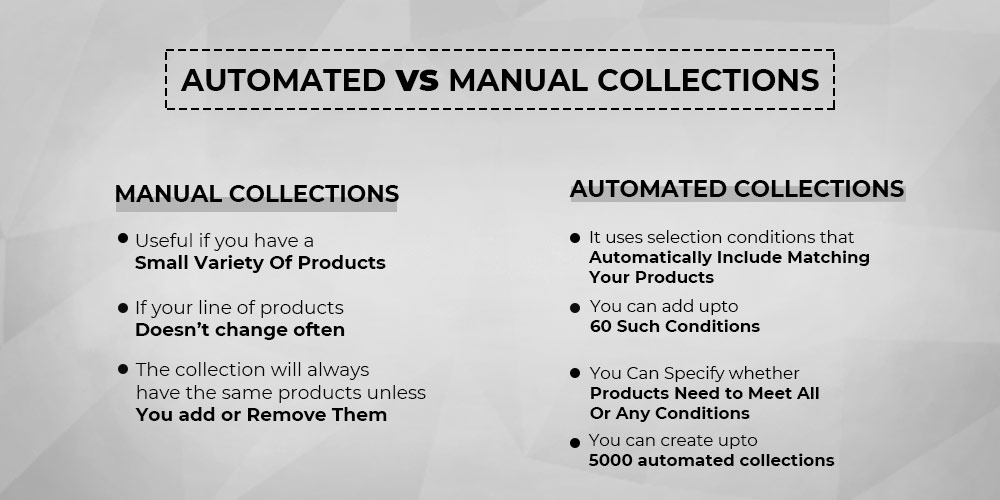
When you create your Shopify store, you need to think partially from your customer’s view. A collection page refers to a group of products from the same category. Are you still having doubts? Consult our store developers and create your Shopify store with dynamic collection pages.
Shoppers will not shop from your store if their order takes too much time to reach their doorstep. At the same time, they won’t revisit your store if they cannot find a convenient payment option. Shipping and payment settings are the actual makers (or deal-breakers sometimes).
To create a Shopify store with a subtle shipping strategy, here’s what you need to do –
To know more about how you can set up shipping for your Shopify store, check out this step-by-step guide. Shopify is unbeatable in terms of payment providers when it comes to payment setup. When you set up your Shopify store, you have access to 150+ reputed payment providers who enable cross-border commerce with minimum effort.
Here comes the most important step in your Shopify store setup cycle ie. customizing your storefront. Storefront is a solution for your business to sell your products (or services) over the internet. This is where you can stand apart from your competitors. Spurred on by your ambition of creating a dynamic and custom storefront with Shopify’s string of tools and technology, you can do it with ease. Unbelievable isn’t it? Well, here’s how you can create a Shopify store with a dynamic storefront –
Search for Shopify Unite on YouTube and you will be astounded to see the unbroken string of initiatives that Shopify took to energize its ecosystem enabling merchants to create a store with Shopify which is dynamic and personalized in nature.
Sprinkling metafields in your store will enable you to communicate even the minutest detail of your product in the most creative manner. Metafields lets you customize the functionality and appearance of your store by letting you save information that isn’t captured by Shopify admin. You can use fields for tracking or to display crucial information in your store in a variety of ways.
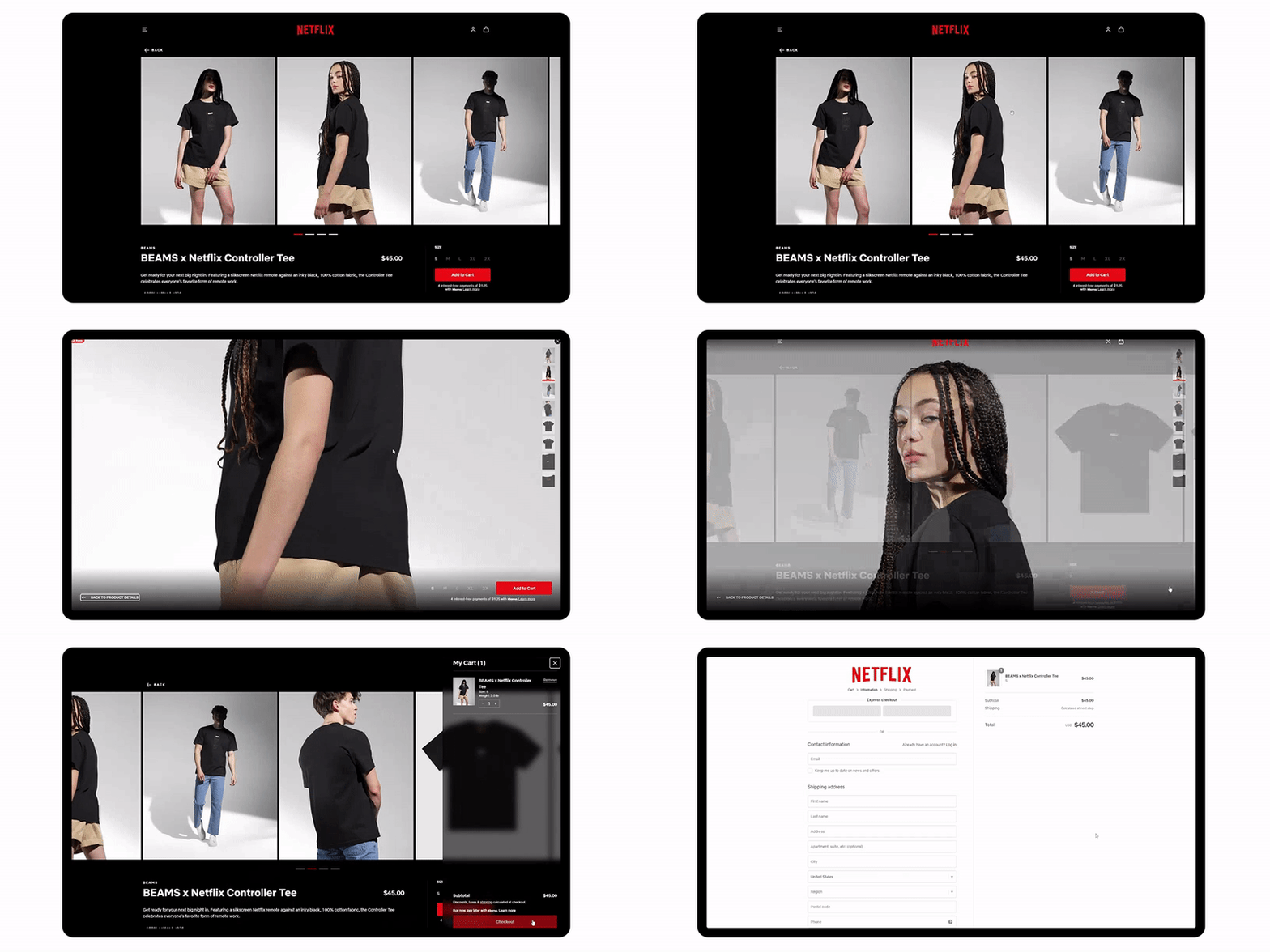
Intriguing? But the story doesn’t end here. Shopify slowly moving from Ruby on Rails to Hydrogen platform. As a merchant, you need to know that this transition will open an array of new ways of how you present your storefront to global shoppers. So, before you create your Shopify store, don’t forget to consult our team of experts who can help you in building a unique storefront.
Now, all that you’re left is to remove your store’s password and announce that you are open to providing an unprecedented shopping experience. Don’t forget to install a pinch of drama and excitement in your store launch.
Have a subtle combination of running search and display ads along with boosting your store’s organic authority through social media, blogging, and influencer marketing campaigns. You may (or may not) consider this part of your Shopify store setup but you can draft a strategy as to how you will make the launch successful and visible to your global visitors.
At CedCommerce, we build Shopify stores on your behalf and prepare for a grand launch so that the internet knows about your grand entry into online commerce.
So this was everything about the Shopify store setup and how you can create a dynamic and personalized online store. Setting up a Shopify store isn’t about following a step-by-step guide. Rather it should be about following the simple steps and sprinkling subtle content at every possible step.
After all, it is not about how you create a Shopify store. It is about how well you do it and how grand your store’s inauguration is.

Reading Time: 15 minutes Your marketplace app does not sync continuously. It syncs on a…
Reading Time: 6 minutes Your marketplace stack may be connected, but your attention is still…
Reading Time: 10 minutes SHEIN Marketplace sellers work with two underlying fulfillment models: seller-managed fulfillment,…
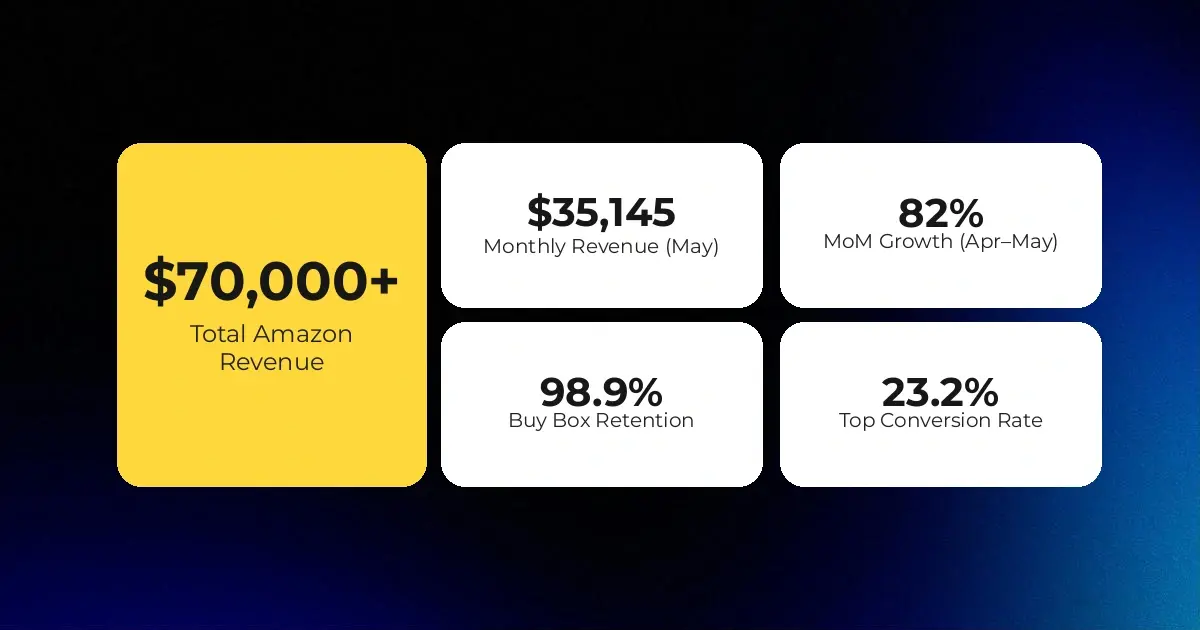
Reading Time: 3 minutes Section 1: About the Client Milky Mama is a leading maternal…

Reading Time: 1 minuteIntro Summary Shopify Scripts stopped executing entirely on June 30, 2026. Merchants…
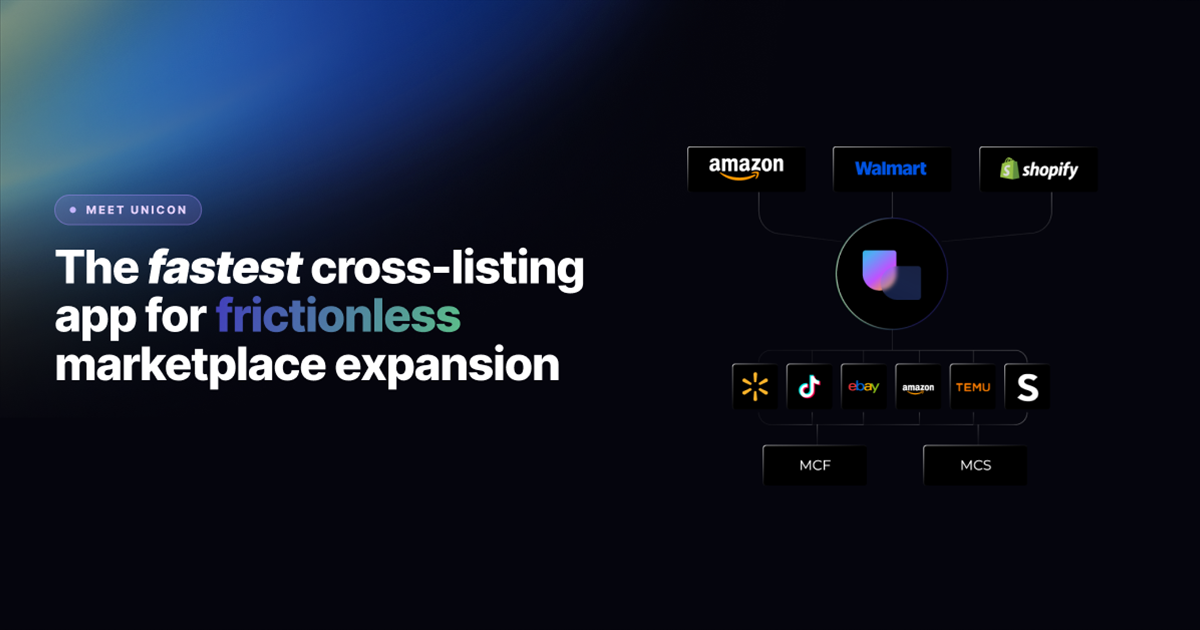
Reading Time: 9 minutes Your buyers are not shopping in one place anymore. They search…
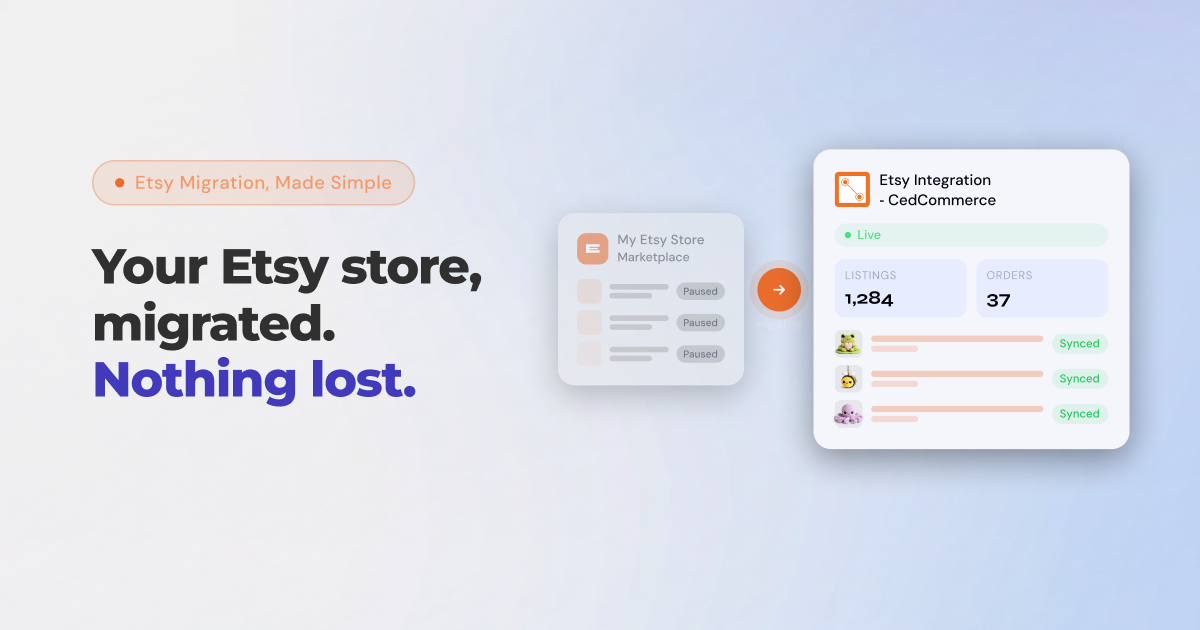
Reading Time: 8 minutes If you’ve been running your Etsy store through Shopify Marketplace Connect,…
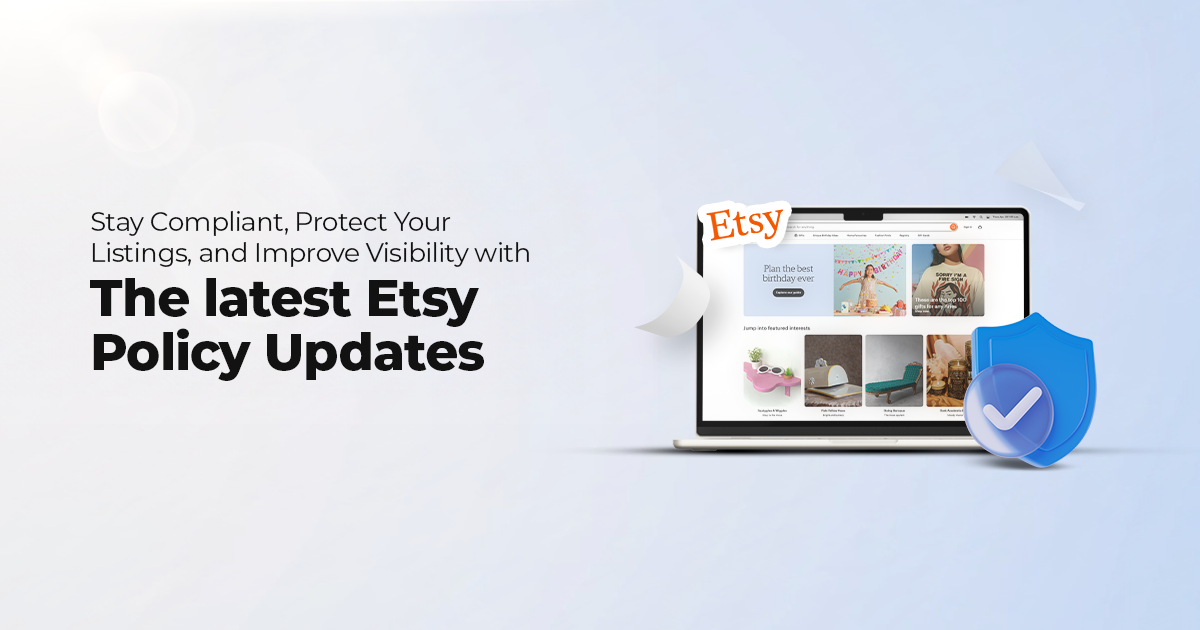
Reading Time: 12 minutes From Etsy policy changes, such as fees and payments, to creativity…
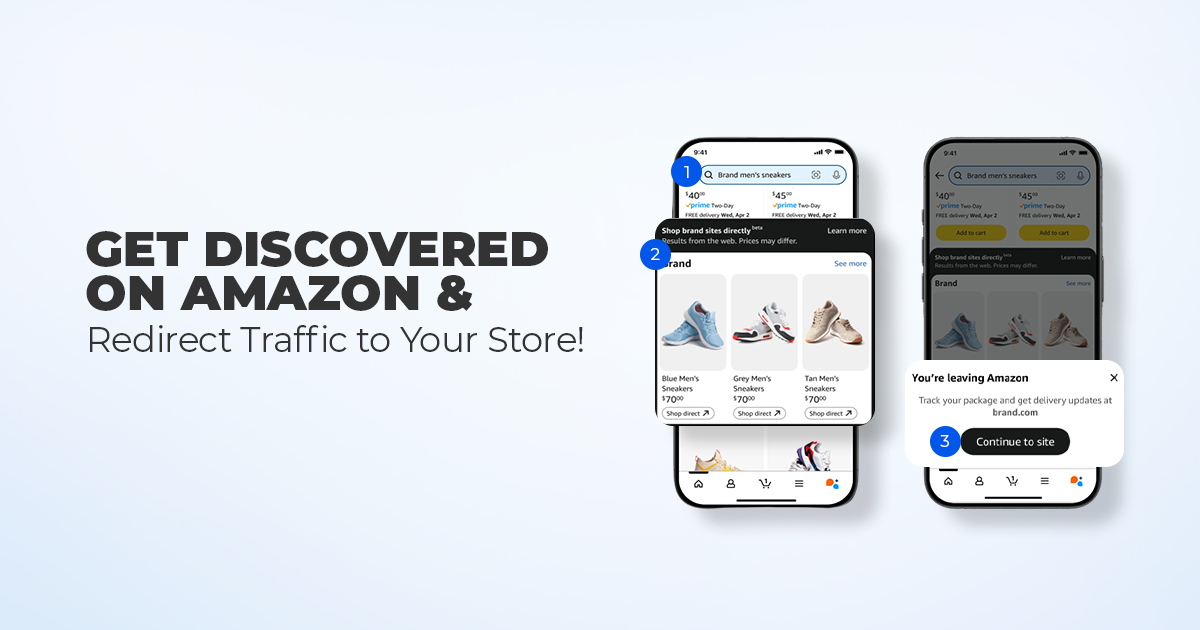
Reading Time: 11 minutes What if reaching hundreds of millions of Amazon customers didn’t mean…

Reading Time: 2 minutes Amazon is rolling out a significant update that will directly impact…