
Same Product, Yet Different Listing Data on Every Marketplace? Learn to Cross-List with Ease
Reading Time: 11 minutes The same physical product can require a different listing structure on…

Running short of time? Get PDF of the blog in your mail.
In this fast-moving generation, the world of technology has really improved our lives a lot. With the help of the internet, everything is available at your fingertips. You do not have to even step out of your house and the desired products are available in front of you. It is just a few clicks away from you. This is being possible only because of the new technologies such as E-Commerce and M-Commerce.
The conversion from the physical store shopping to online shopping might have taken hundreds of years, but the changeover, although partial, from web world (E-commerce) to mobile world (M-commerce) has simply taken place within a decade or two.
M-commerce means operating business transactions on the Internet using mobile devices, while E-commerce means operating business transactions on the Internet using computers or laptops.
M-commerce solution or mobile commerce solution is a growing method of a mercantile system in the recent years. It allows a transaction with just a few tap on your smartphone’s screen and thus opens a new way for people to exchange goods and services.
You can access the shop on mobile devices, which mean anytime and anywhere as long as the Wifi/3G/4G signal is on.
From a survey research, it has been noticed that the number of smartphone users has been increased in the past few years. The crowd is moving more towards the mobile world rather than the web world.

Although web world and mobile world, both the technologies are based on the same fundamental principles, and aim at making consumer lives easier, there are a few key differences between them.
A mobile app can help your business to grow in multiple directions – would you like to give it a try? Let’s make your dream app with MageNative!

To get the clarity between E-Commerce and M-Commerce, refer to the following table:
Web World (E-commerce) |
Mobile World (M-commerce) |
| Access of internet is necessary for e-commerce. | M-commerce connectivity is launched as a wireless connectivity using mobile devices. |
| Buying and selling products and services with the use of the internet. | Buying and selling products and services with the use of mobile phones that have access to internet or cellular data. |
| Requires devices such as computers, laptops, and so on. | Requires devices such as cell phones, iPads, tablets, and so on. |
| The platform used: Web Stores | Platform used: Web stores (mobile version/web app), a hybrid app, native app |
| Mobility is limited as you cannot carry computers everywhere. Even if you use laptops, you have to find enough space to access it. Though it is portable, it is not as light as mobile phones. | Since mobile devices are easy to carry it offers more mobility, accessibility, and convenience. |
| Less costly as created on the web store platform and there is a usage of internet. | More costly as a mobile apps is required and there is a usage of cellular data or internet. |
| Since it is applicable to the broader area, customization for each user is not possible. | Mobile devices are usually owned by an individual, so anyone can use the customized app to fulfill their business needs or personal. |
| More complicated user interface and more functions available. | Simple usage because all the functions are simplified. |
Established in 2015, MageNative has been heavily involved with customized m-Commerce developments. The company offers a slew of solutions and has a vast, global client base. The company has a full-fledged research division, which constantly strives to create state-of-the-art solutions for eCommerce store owners, looking to expand into mobile commerce.
Magenative also deals with Magento mobile app, Magento 2 mobile app, Shopify Mobile app and WooCommerce mobile app which allows the store owners to create and deploy native mobile applications for Android and iOS smartphones. The company is also working on mobile solutions for more eCommerce platforms namely Opencart, Prestashop, etc.

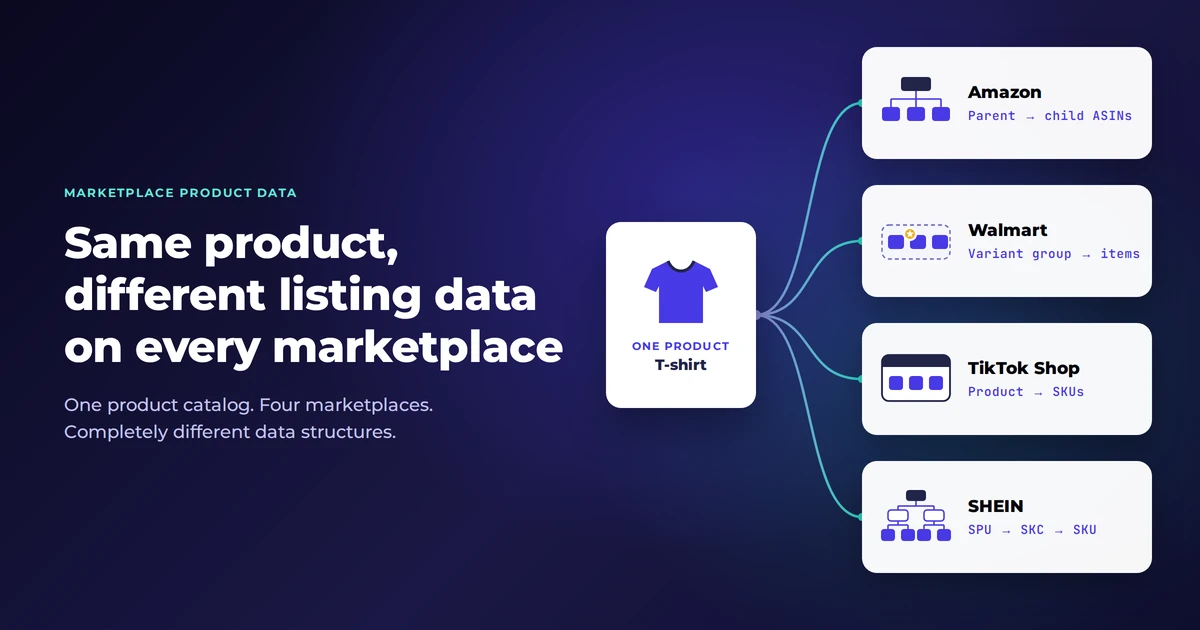
Reading Time: 11 minutes The same physical product can require a different listing structure on…
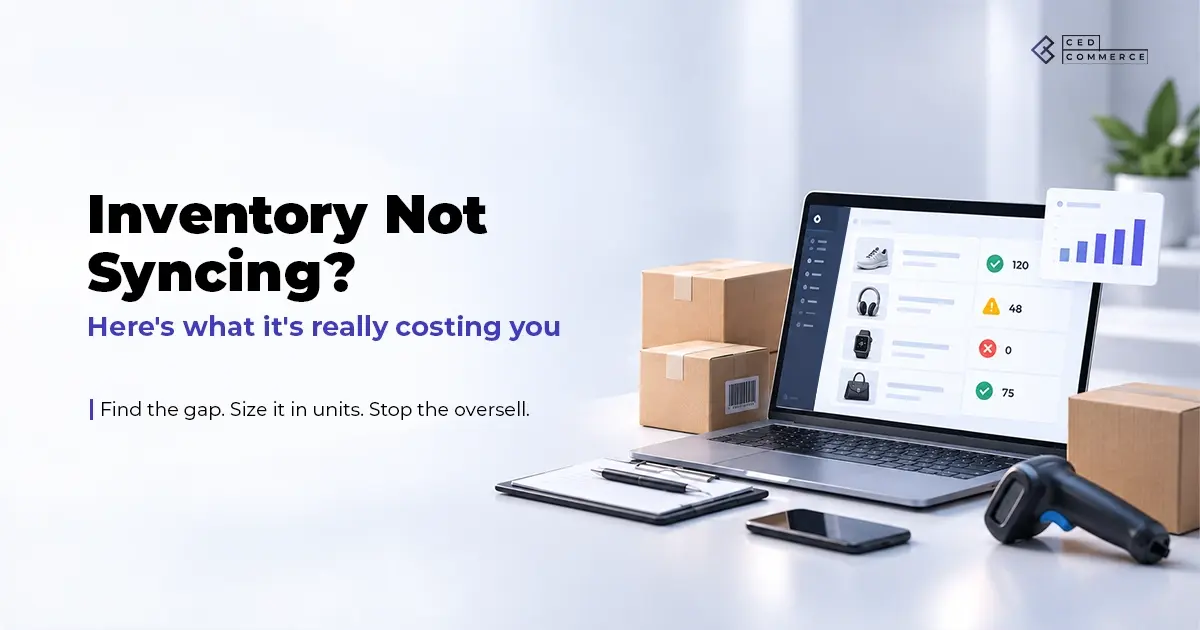
Reading Time: 15 minutes Your marketplace app does not sync continuously. It syncs on a…
Reading Time: 10 minutes Product liability insurance is not just something you check before renewal.…

Reading Time: 2 minutes Intro Summary The European Union’s new €3 customs duty on low-value…
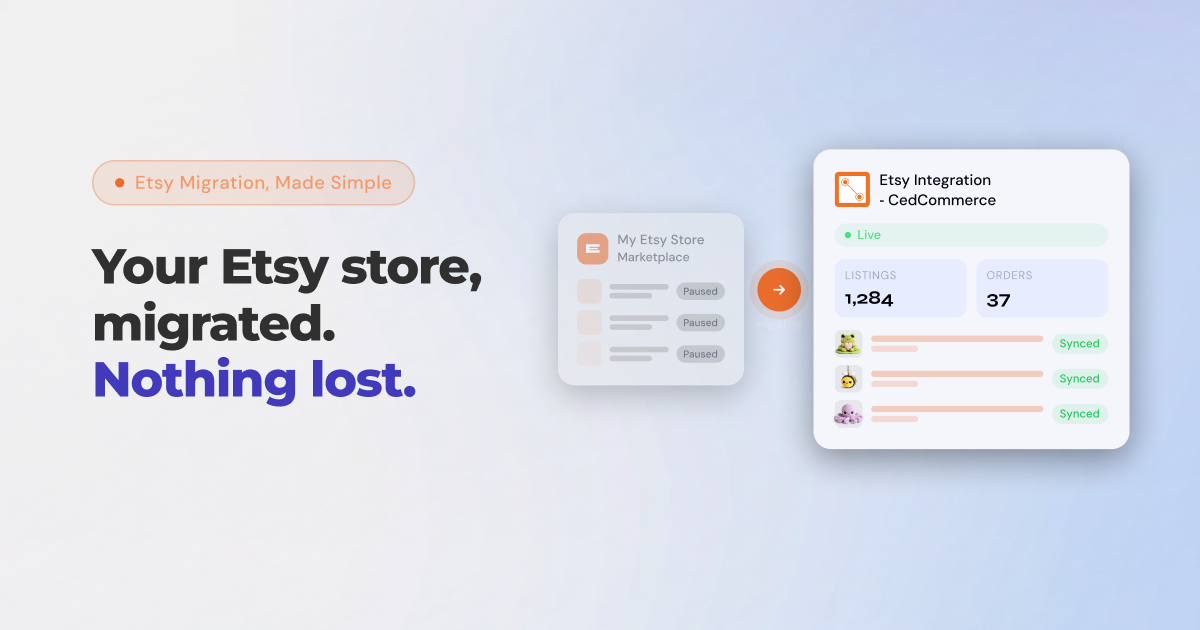
Reading Time: 8 minutes If you’ve been running your Etsy store through Shopify Marketplace Connect,…

Reading Time: 2 minutes In a major follow-up to our earlier coverage — “Amazon Confirms:…

Reading Time: 12 minutes From Etsy policy changes, such as fees and payments, to creativity…

Reading Time: 1 minuteDigital Commerce 360 reports that eCommerce accounted for 25% of total retail…

Reading Time: 1 minuteA coalition of 23 WTO member countries, including the United States, Britain,…
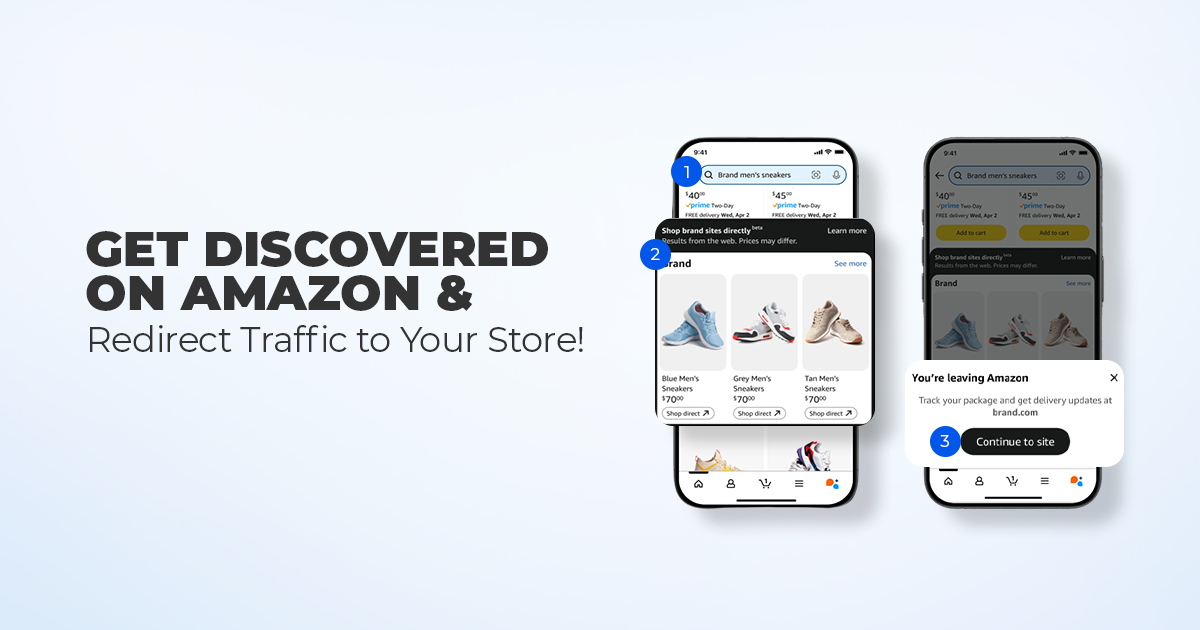
Reading Time: 11 minutes What if reaching hundreds of millions of Amazon customers didn’t mean…