
TikTok Shop Fulfillment in 2026: 6 Options and How to Ship from Walmart WFS
Reading Time: 14 minutes TikTok Shop fulfillment in the US now comes down to six…
Running short of time? Get PDF of the blog in your mail.
Walmart is preparing to roll out a new cross-border shipping initiative aimed at expanding international reach for U.S.-based marketplace sellers, as the retailer continues to scale its third-party eCommerce ecosystem.
The program, branded Walmart Exports, is expected to launch in early 2026 and will allow eligible products fulfilled through Walmart Fulfillment Services (WFS) to be shipped from the United States to customers in Mexico and Canada, with plans to add more countries over time.
Under the Walmart Exports program, qualifying WFS inventory will be automatically enrolled, eliminating the need for sellers to manually opt in or manage cross-border logistics themselves. Walmart will handle the complete fulfillment lifecycle — including picking, packing, international shipping, and delivery — mirroring the operational model it already applies to domestic WFS orders.
According to a Walmart spokesperson, the company is currently testing new marketplace capabilities that leverage its growing fulfillment and logistics network to serve international shoppers directly from U.S. inventory.
“These capabilities should expand seamless access to our broad assortment for these customers, with appropriate import solutions integrated into their experience,” the spokesperson said.
While Walmart has not yet disclosed specifics around customs duties, taxes, or seller fees, the emphasis on “integrated import solutions” suggests Walmart intends to abstract much of the regulatory complexity away from sellers — a critical barrier in cross-border commerce.
At present, Walmart Fulfillment Services only supports deliveries to U.S. addresses. Walmart Exports marks the first major expansion of WFS into international last-mile delivery, effectively changing it from a domestic fulfillment solution into a regional cross-border engine.
The move aligns closely with Walmart’s broader fulfillment ambitions. Speaking at a conference in December, Walmart EVP and CFO John David Rainey underscored the central role fulfillment plays in the company’s seller strategy.
“It’s almost as if, again, you’re a seller at Walmart — if you’re not using [Walmart Fulfillment Services], you’re using this in the wrong way,” Rainey said.
By extending WFS beyond U.S. borders, Walmart is reinforcing that positioning, making fulfillment not just a convenience but a prerequisite for accessing future marketplace growth opportunities.
Third-party sellers are a core pillar of Walmart’s eCommerce strategy, enabling the retailer to expand assortment across high-demand categories such as automotive, toys, electronics, and apparel. Walmart has repeatedly highlighted marketplace expansion as a driver of selection density and customer retention.
For sellers, Walmart Exports offers a low-friction path to international expansion without the need to establish foreign entities, manage overseas warehousing, or negotiate international carriers. Sellers already using WFS could gain incremental revenue from cross-border demand with minimal operational change — provided their products meet eligibility requirements.
However, sellers outside the WFS ecosystem may find themselves at a competitive disadvantage as Walmart increasingly ties growth opportunities to its owned fulfillment infrastructure.
The launch of Walmart Exports also adds a new layer to Walmart’s long-running rivalry with Amazon. The initiative closely mirrors Amazon FBA Export, which enables Amazon sellers to fulfill international orders using Fulfillment by Amazon inventory.
While Amazon’s export program is more mature and spans a broader range of destinations, Walmart’s entry signals an intent to close that capability gap — particularly in North American cross-border commerce, where Walmart already has strong brand recognition and physical infrastructure.
Walmart Exports is the latest addition to a growing portfolio of seller-focused logistics services. In recent years, Walmart has expanded offerings such as Walmart Cross Border, which allows sellers to book ocean freight from manufacturing hubs in China and Vietnam to the U.S.
Taken together, these initiatives point to a clear trajectory: Walmart is assembling an end-to-end logistics stack that spans inbound freight, domestic fulfillment, and now outbound cross-border delivery — positioning itself not just as a marketplace, but as a full-scale commerce infrastructure provider for third-party sellers.
As Walmart Exports moves from testing to launch, sellers using Walmart Fulfillment Services are likely to be the first beneficiaries, and the first to feel the pressure to align more deeply with Walmart’s fulfillment-led operating model.
Source: https://www.supplychaindive.com/news/walmart-exports-program-wfs-sellers/810858/

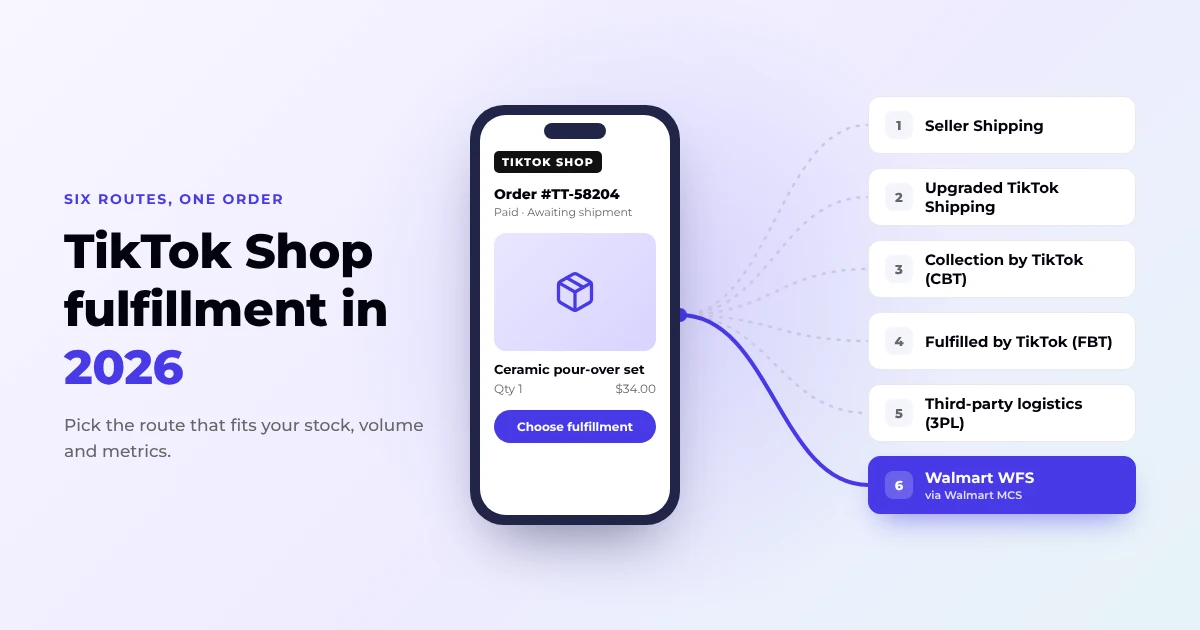
Reading Time: 14 minutes TikTok Shop fulfillment in the US now comes down to six…
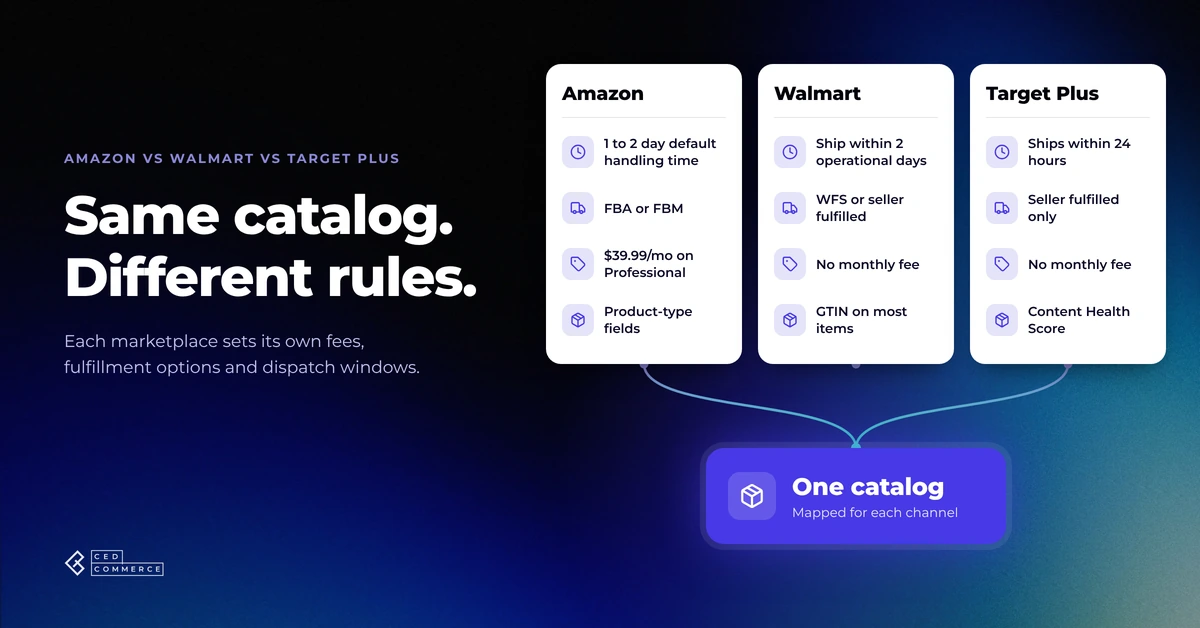
Reading Time: 11 minutes If you already sell on Amazon, adding Walmart or Target Plus…
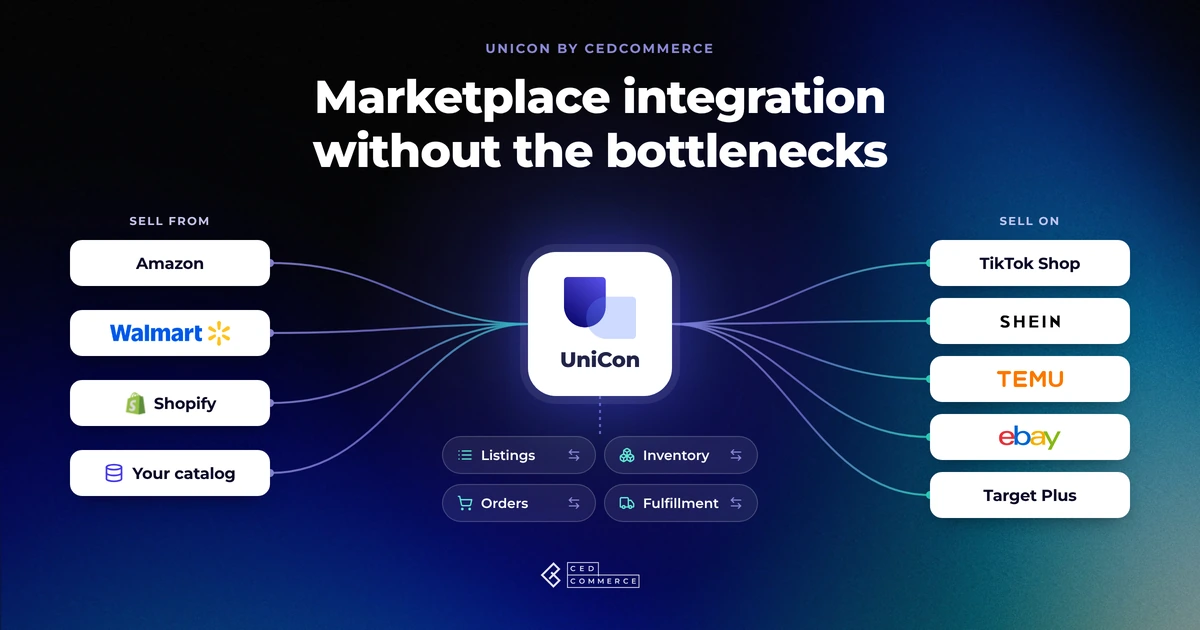
Reading Time: 13 minutes Selling on another marketplace sounds straightforward when you already have a…
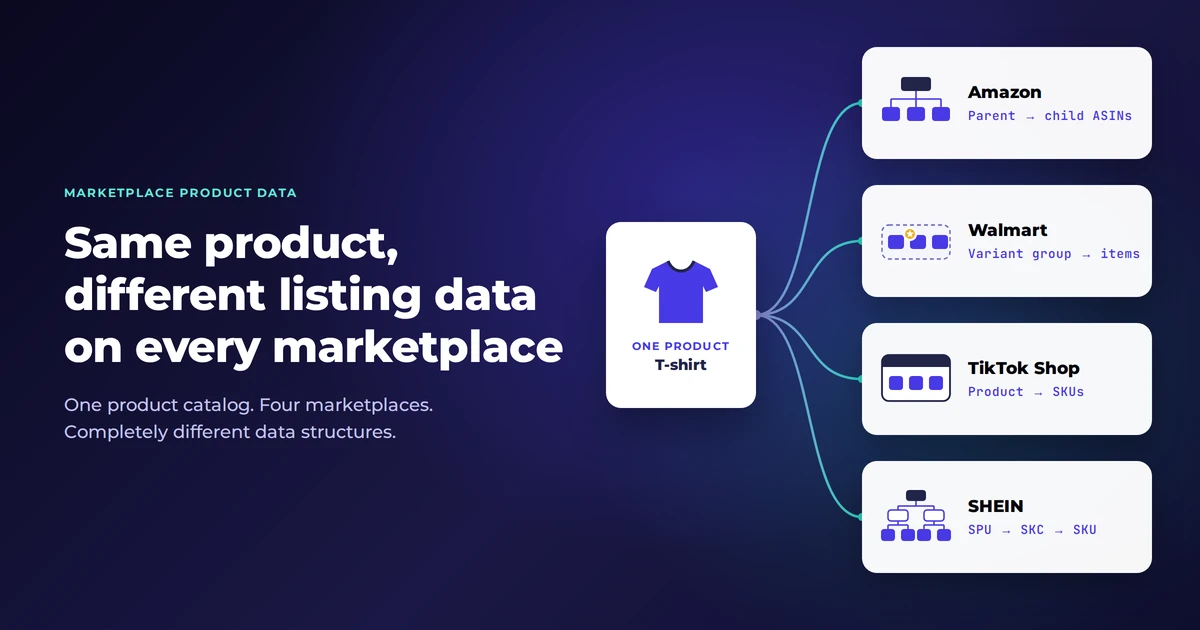
Reading Time: 11 minutes The same physical product can require a different listing structure on…
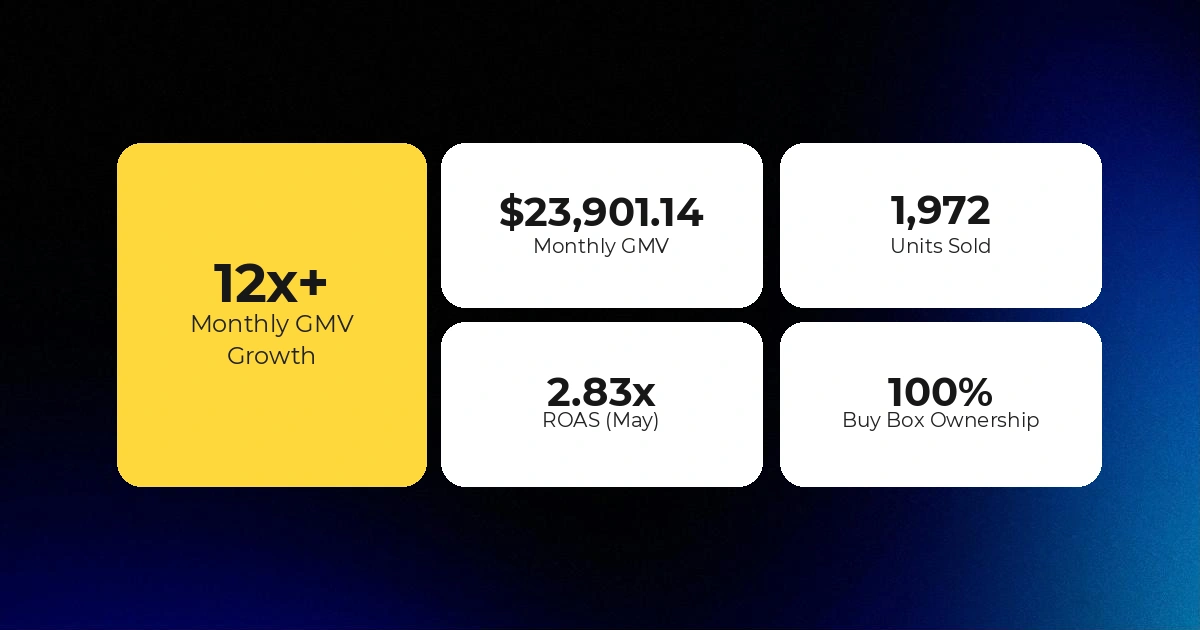
Reading Time: 3 minutes Section 1: About the Client Toadstool Seeds is an online seed…
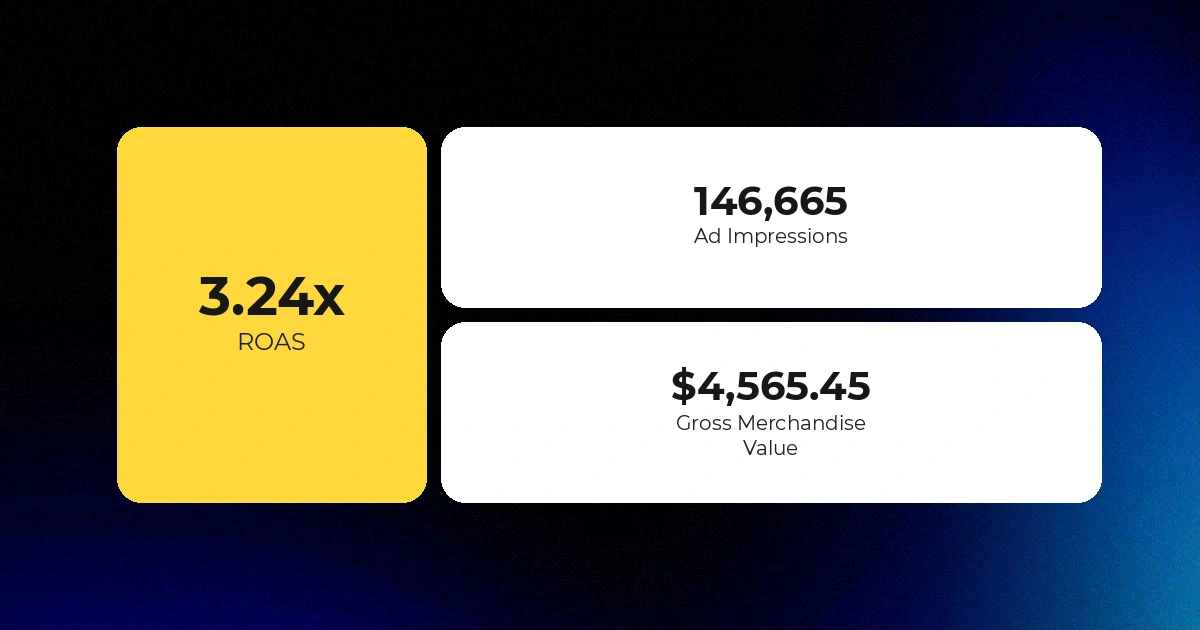
Reading Time: 3 minutes Section 1: About the Client LogOX is a premium outdoor and…
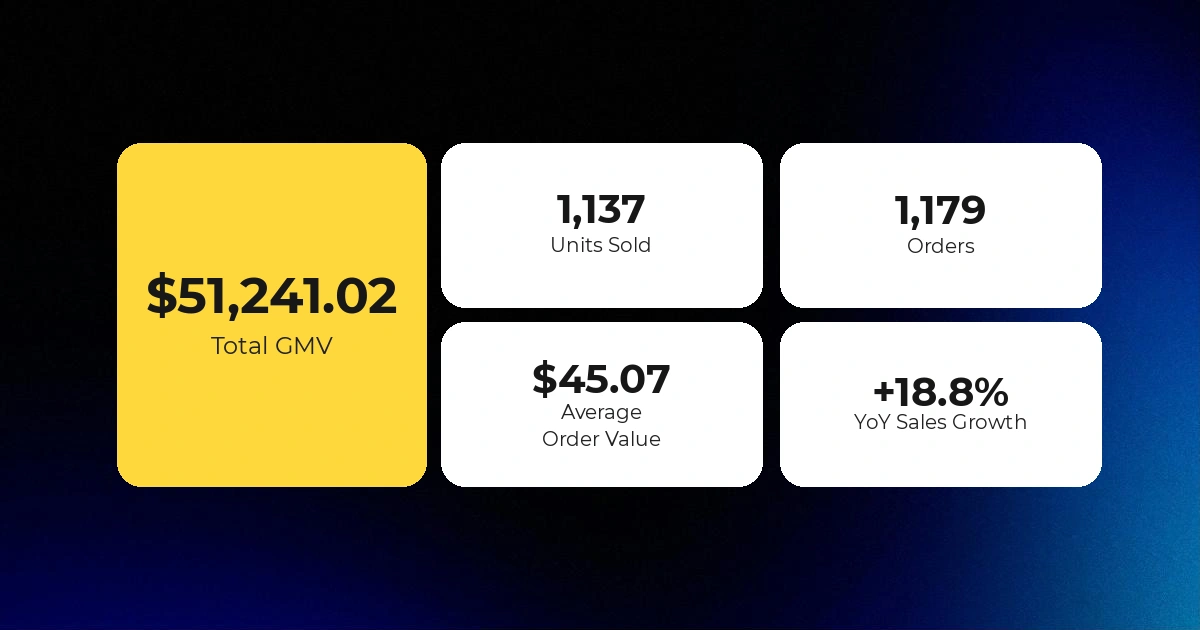
Reading Time: 4 minutes Section 1: About the Client General Jim’s Toys & Bricks is…

Reading Time: 1 minuteWalmart Marketplace has released new Seller Center enhancements designed to help sellers…
Reading Time: 13 minutes Every five years or so, a marketplace opens up just enough…
Reading Time: 4 minutes Walmart Expands Scrutiny on Product Claims Across Marketplace Listings Walmart Marketplace…