
Amazon vs Walmart vs Target Plus: What Changes Operationally for Sellers?
Reading Time: 11 minutes If you already sell on Amazon, adding Walmart or Target Plus…

Running short of time? Get PDF of the blog in your mail.
Selling on Amazon during a recession can be challenging. Still, it can also present opportunities for savvy merchants who know how to navigate the market. With the economic downturns and uncertainty of a recession, customers tend to look for the best/better deals and are more mindful of their spending habits. This means merchants selling on Amazon must adapt their strategies to attract and retain customers.
So, what are the things that you should keep in mind when selling on Amazon during times of recession? Here are some tips and actions that can help you sell better on Amazon:
The first step to selling on Amazon during a recession is to assess your product offerings. With the changing economic landscape, customers’ preferences and priorities change, and it’s essential to understand what your customers need and adjust your inventory accordingly.
Once you have assessed your product offerings, the next step is to optimize your product listings to attract customers. With more merchants competing for customers’ attention on Amazon, making your listings stand out is essential.
Amazon advertising is an effective way to reach potential customers and drive sales during a recession. With Amazon advertising, you can target customers based on their search queries, interests, and demographics and promote your products to a highly targeted audience. This will lead to more customers adding products to their carts, increasing your sales chances.
Here are the different kinds of ad campaigns you can run on Amazon-
During a recession, customers are looking for ways to save money, and offering promotions and deals can be an effective way to attract new customers and retain existing ones.
Another vital strategy for selling on Amazon during a recession is diversifying your product offerings. While it may be tempting to focus on your best-selling products, it’s important to consider expanding your product line to include items in higher demand during a recession.
For example, during a recession, consumers may be more inclined to purchase practical items like household essentials, health and wellness products, and home office supplies. By expanding your product offerings to include these types of items, you can attract new customers and increase sales.
During an economic downturn such as a recession, monitoring your Amazon metrics is crucial to ensure your business remains stable. Frequently check sales, traffic, and conversion rates to identify areas for improvement and take action accordingly. Monitor inventory closely and maintain healthy stock levels during recessions due to supply chain disruptions. Monitor metrics closely to make informed decisions and optimize business operations during a recession.
Selling on Amazon during a recession is challenging, but these tips can protect your business and increase your chances of success. Remember to optimize your listings, provide excellent customer service, diversify your product offerings, utilize Amazon advertising, and monitor your metrics. With these tactics in place, you can help ensure the long-term success of your Amazon business.
An integration app like CedCommerce Amazon Channel App can optimize your Amazon sales campaigns. Integration apps tend to manage inventory, help you market your products, and even set up your store. Remain unphased during turbulent times with the CedCommerce Amazon Channel app.

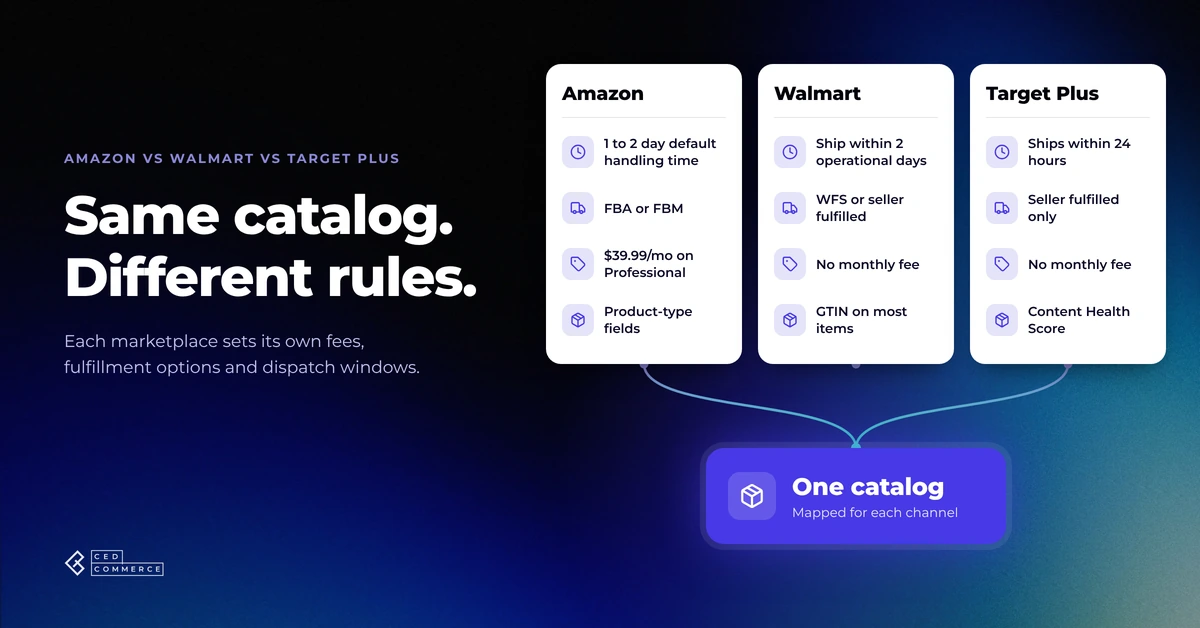
Reading Time: 11 minutes If you already sell on Amazon, adding Walmart or Target Plus…
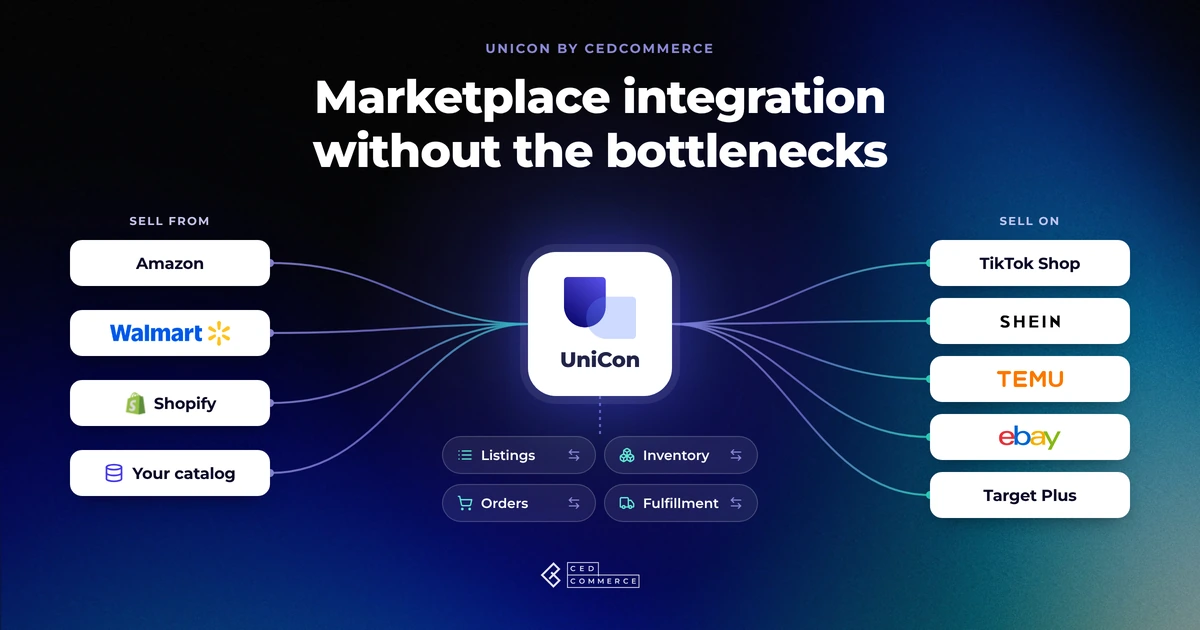
Reading Time: 13 minutes Selling on another marketplace sounds straightforward when you already have a…
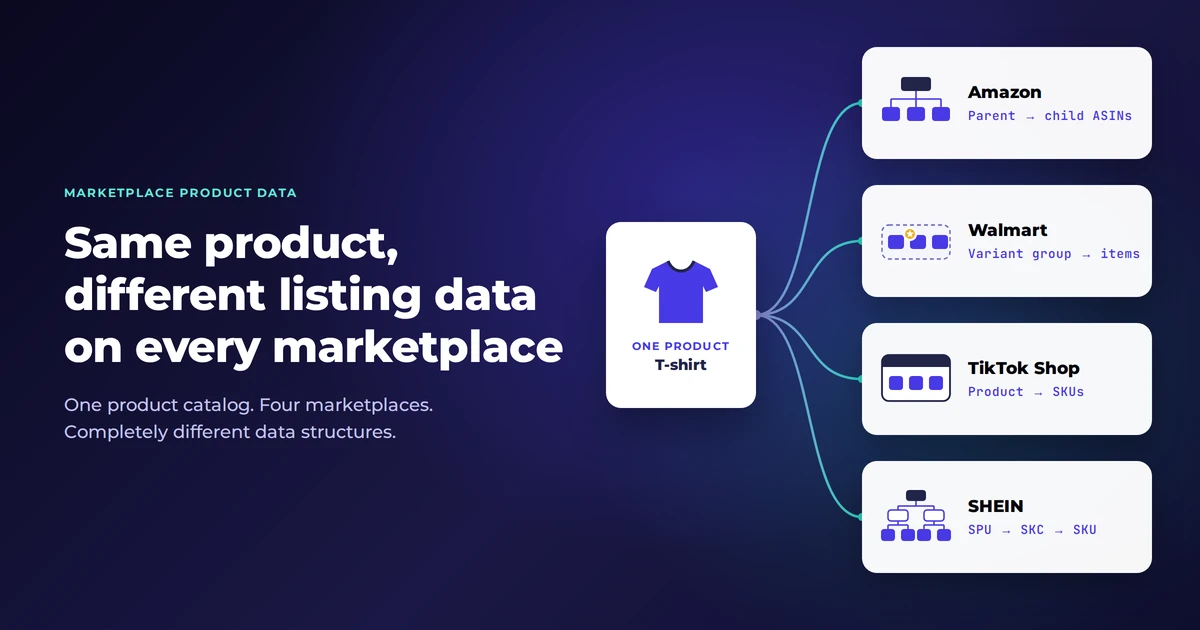
Reading Time: 11 minutes The same physical product can require a different listing structure on…
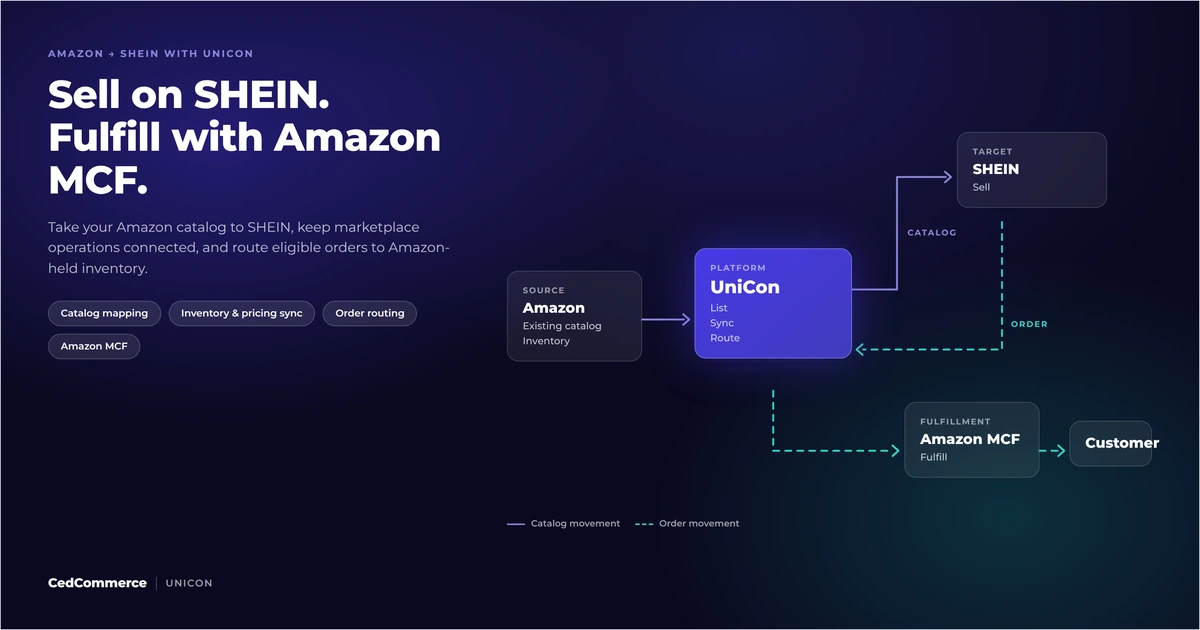
Reading Time: 12 minutes Looking to sell on SHEIN from Amazon? You could potentially tap…
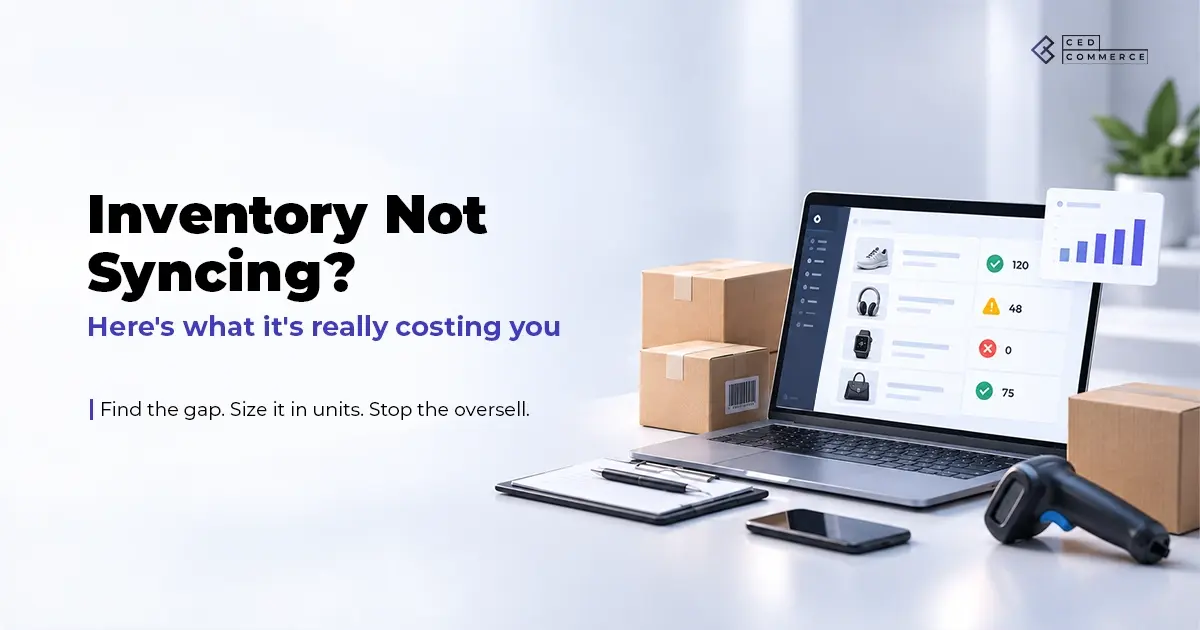
Reading Time: 15 minutes Your marketplace app does not sync continuously. It syncs on a…
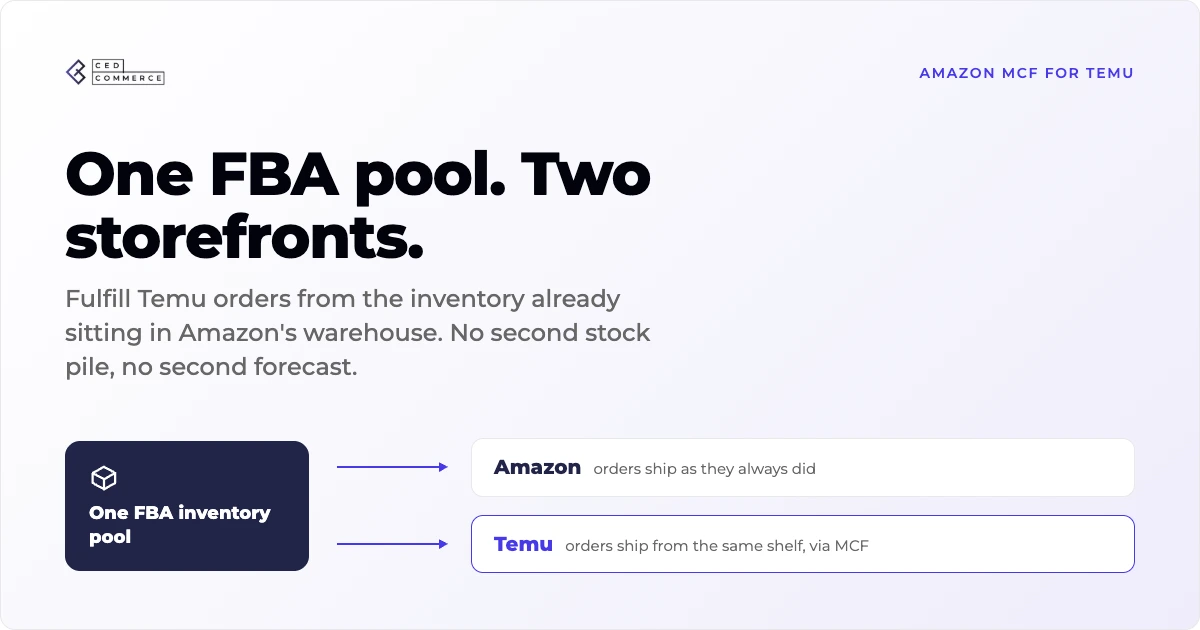
Reading Time: 19 minutes Ever wondered if your FBA inventory could turn Amazon into a…

Reading Time: 18 minutes If you’re an established third-party brand or authorized reseller looking for…
Reading Time: 6 minutes Your marketplace stack may be connected, but your attention is still…
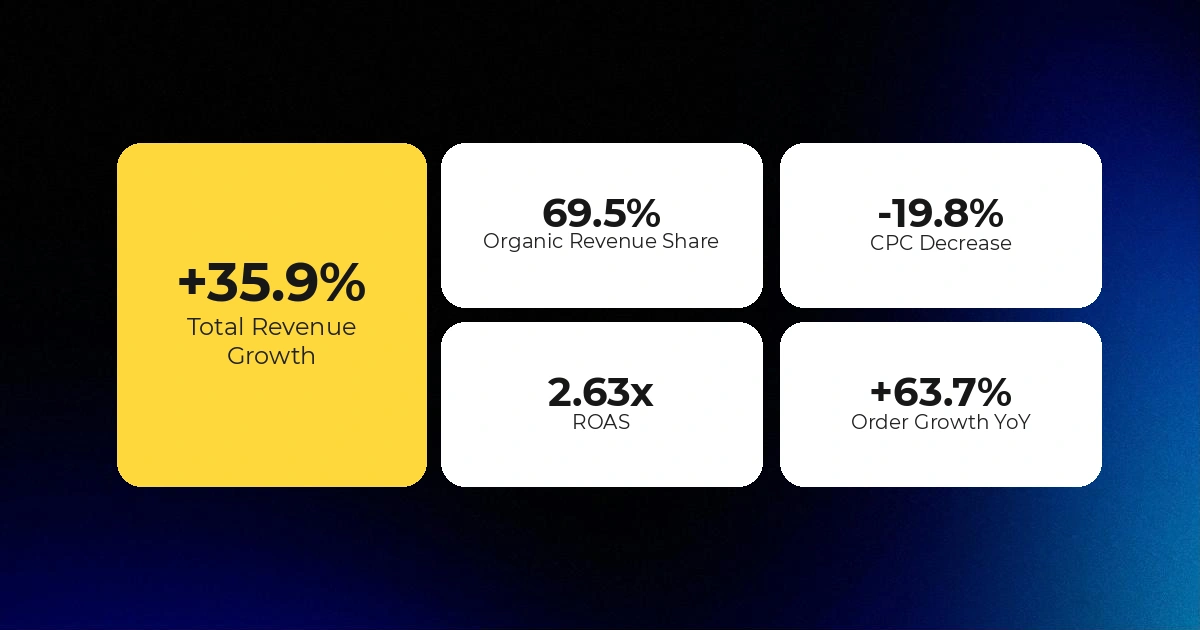
Reading Time: 3 minutes Section 1: About the Client Hat Country, operating as Deadwood Trading…
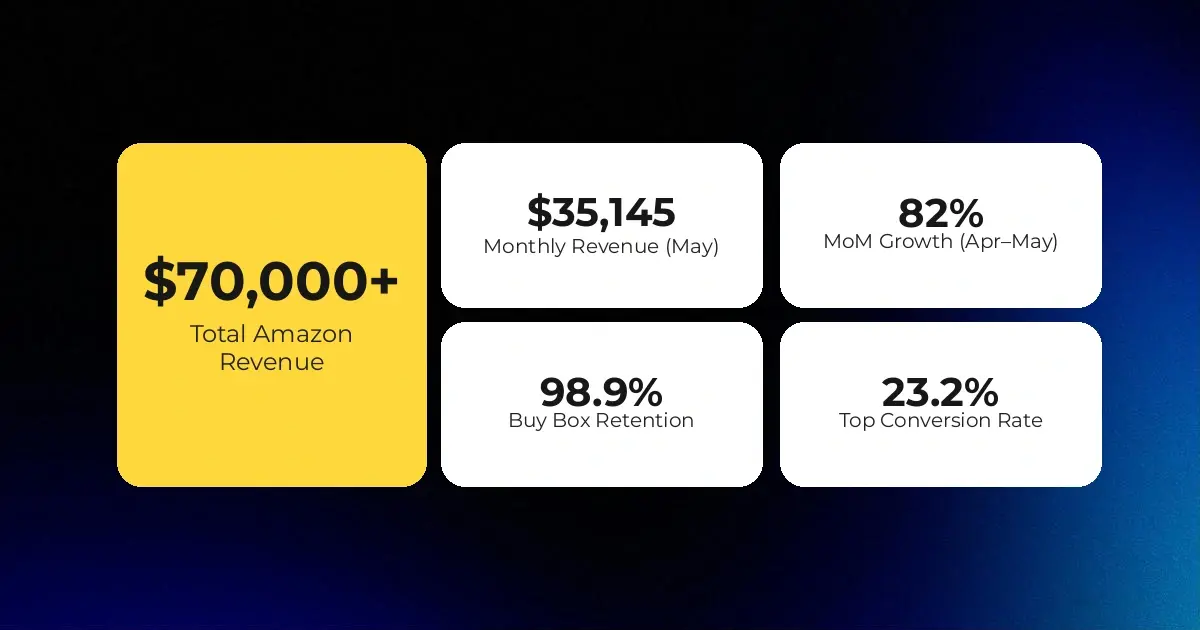
Reading Time: 3 minutes Section 1: About the Client Milky Mama is a leading maternal…