
Amazon vs Walmart vs Target Plus: What Changes Operationally for Sellers?
Reading Time: 11 minutes If you already sell on Amazon, adding Walmart or Target Plus…

Running short of time? Get PDF of the blog in your mail.
Amazon has sparked widespread alarm among electronics sellers across Europe after announcing new requirements that force merchants to prove the authenticity of branded goods—or risk being delisted.
Starting September 17, 2025, electronics sellers in countries including Germany, France, Italy, the United Kingdom, and the Netherlands must submit additional supplier documentation to continue selling branded products on the marketplace.
Under the updated rules, sellers must:
The mandate applies across top-tier electronics brands such as Samsung, Dyson, Canon, Philips, HP, Sony, and Panasonic.
Amazon warns that failure to comply will result in product listings being removed. Sellers unable to produce the required documentation may face stock liquidation, with inventory potentially needing to be returned, destroyed, or donated.
While the intent is clear—tightening supply chain visibility to combat counterfeits—the rollout has been marked by confusion and anxiety among sellers.
Many merchants report receiving multiple, inconsistent notifications naming different brands, without clarity on which products are impacted. For smaller sellers, the demand to present invoices for 100 units is seen as disproportionately burdensome, particularly for those who trade in niche or lower-volume electronics.
The stakes are high: sellers unable to provide acceptable paperwork risk losing revenue streams overnight, especially if they hold significant unsold inventory tied to the affected brands.
Amazon says the decision stems from customer complaints citing “suspicious reasons,” authenticity concerns, and alleged guideline violations.
In a message reviewed by OHN, the company told sellers:
“We require sellers to demonstrate a proven track record of consistently sourcing goods from verifiable suppliers. We currently have insufficient information about your supply chain to confirm that you meet these requirements.”
The move is part of Amazon’s broader compliance strategy, designed to align with EU marketplace regulations and address mounting pressure over counterfeit goods circulating on online platforms.
Electronics is among the highest-risk categories for counterfeit trade due to high resale values and consumer safety risks. By targeting this sector first, Amazon is signaling a zero-tolerance policy toward unauthorized resellers, aligning itself with the EU’s stricter stance on product traceability.
For sellers, however, the changes highlight the growing operational burden of selling on Amazon. What was once an open marketplace is becoming increasingly gatekept by compliance requirements, favoring larger retailers with deep supply chain documentation and leaving smaller traders exposed.
For consumers, the policy may increase confidence in product authenticity. For sellers, it represents yet another barrier to entry in an already competitive environment.
Amazon’s gamble is that consumer trust outweighs seller discontent. But with September 17 looming, thousands of electronics sellers now face a critical choice: secure airtight supply chain paperwork—or risk being cut off from Europe’s largest online marketplace.
Source: https://ecommercenews.eu/amazon-demands-proof-of-authenticity-from-electronics-sellers/

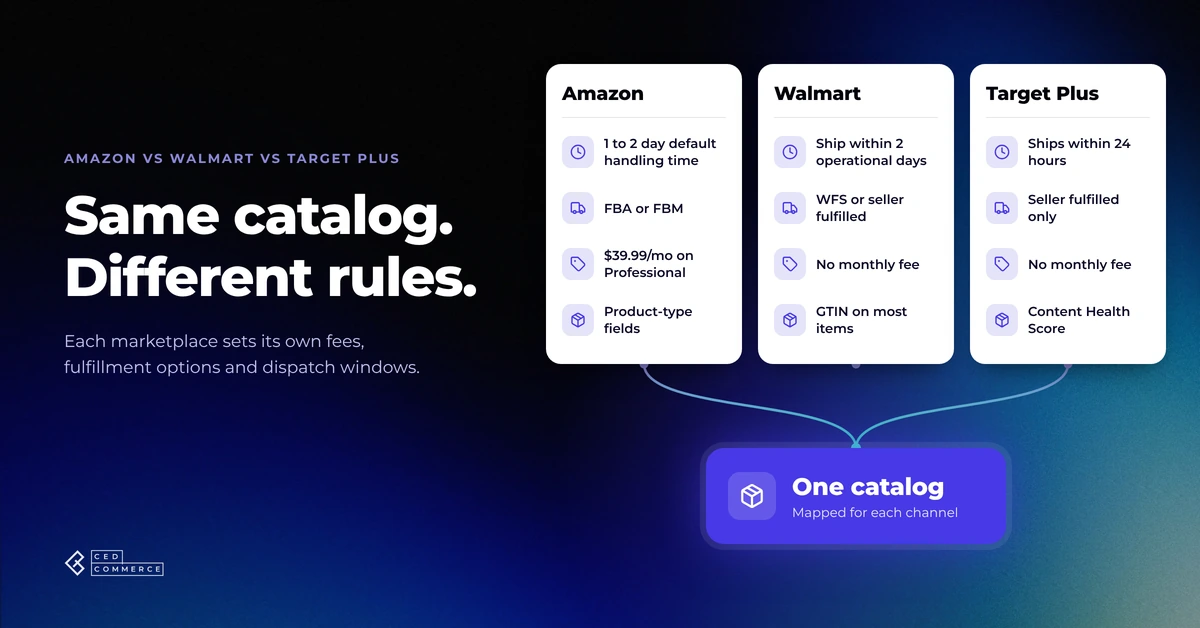
Reading Time: 11 minutes If you already sell on Amazon, adding Walmart or Target Plus…
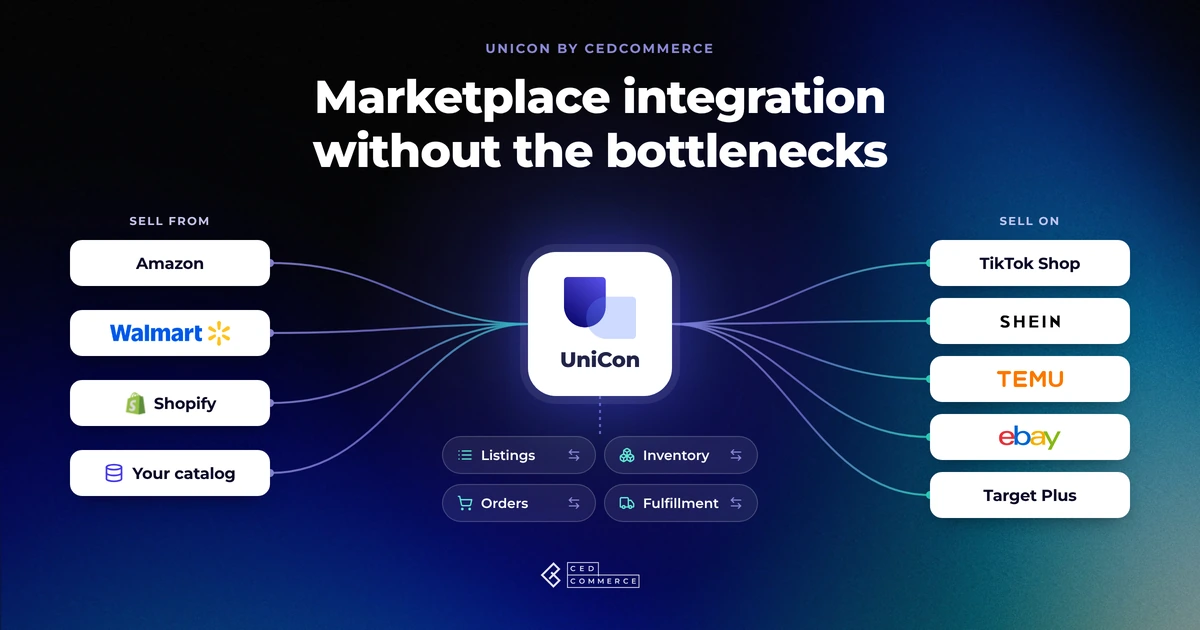
Reading Time: 13 minutes Selling on another marketplace sounds straightforward when you already have a…
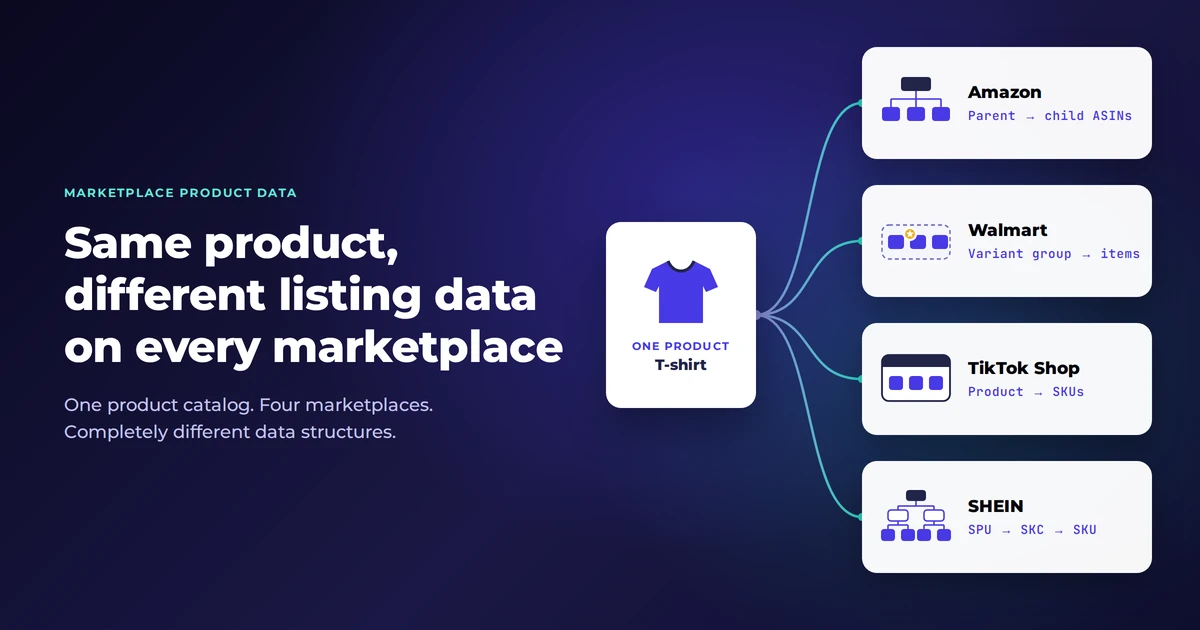
Reading Time: 11 minutes The same physical product can require a different listing structure on…
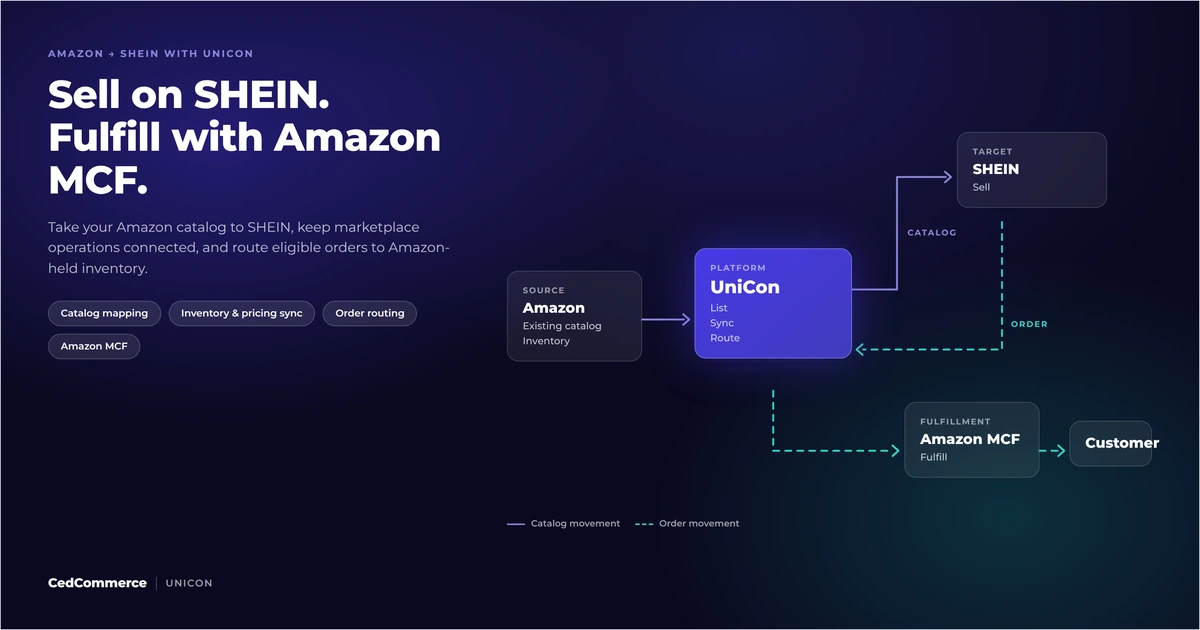
Reading Time: 12 minutes Looking to sell on SHEIN from Amazon? You could potentially tap…
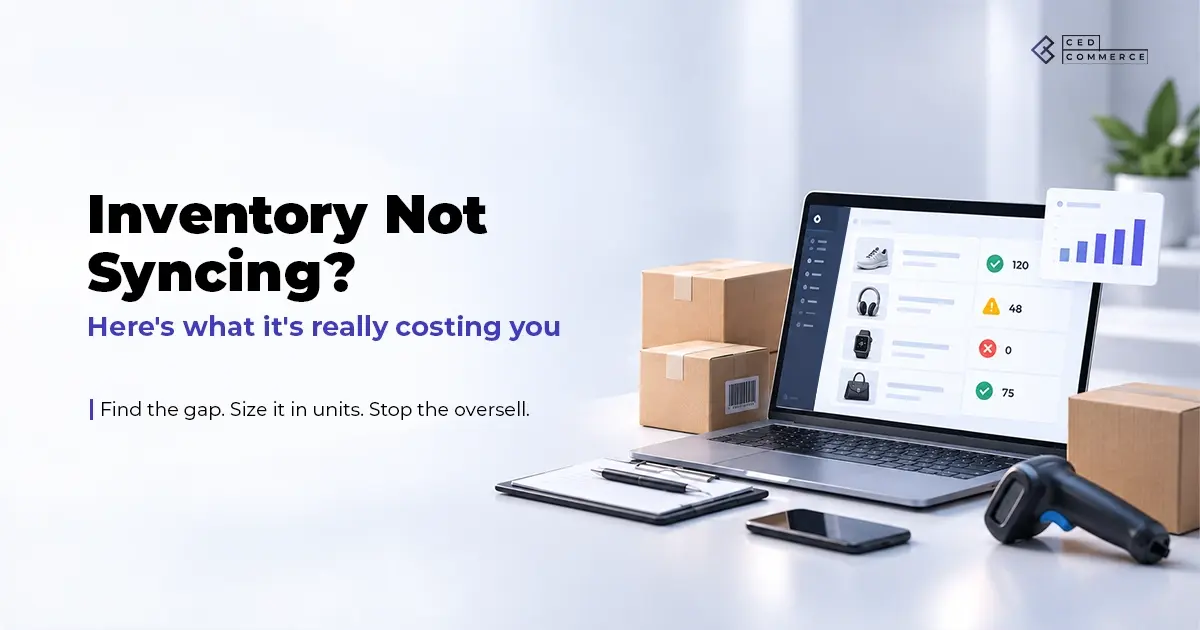
Reading Time: 15 minutes Your marketplace app does not sync continuously. It syncs on a…
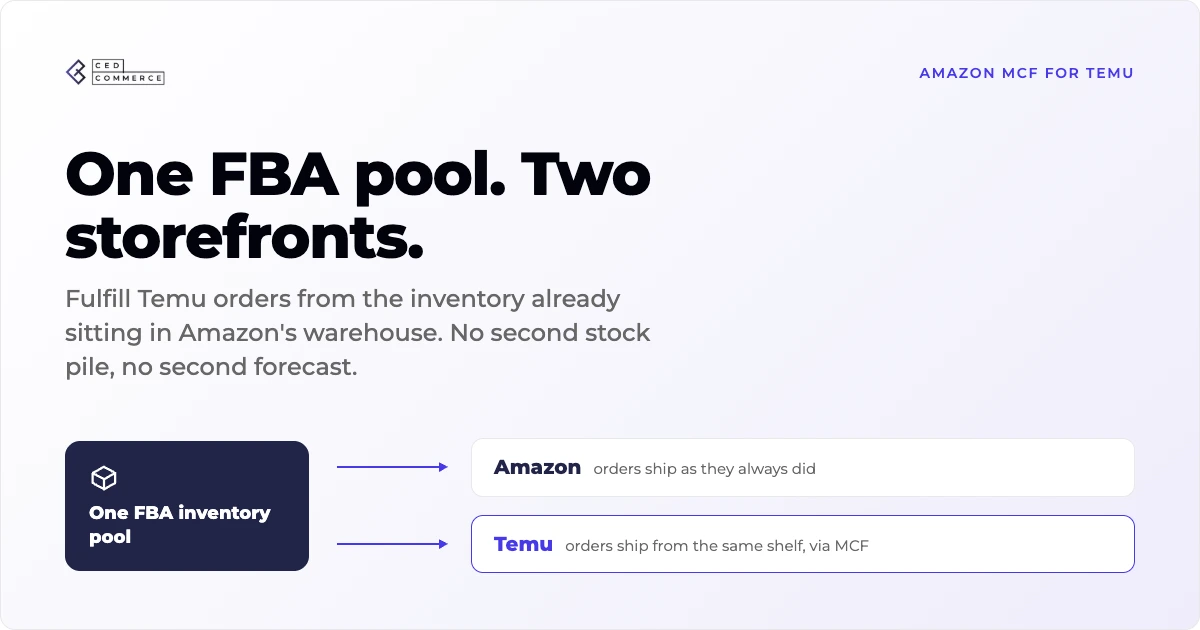
Reading Time: 19 minutes Ever wondered if your FBA inventory could turn Amazon into a…

Reading Time: 18 minutes If you’re an established third-party brand or authorized reseller looking for…
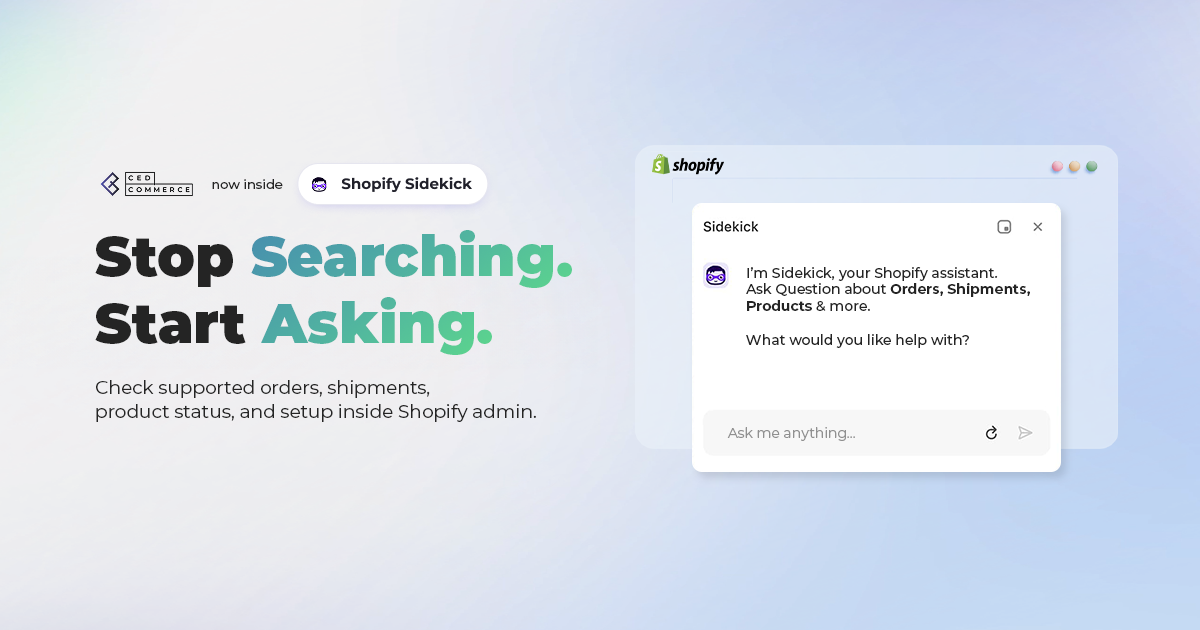
Reading Time: 6 minutes Your marketplace stack may be connected, but your attention is still…
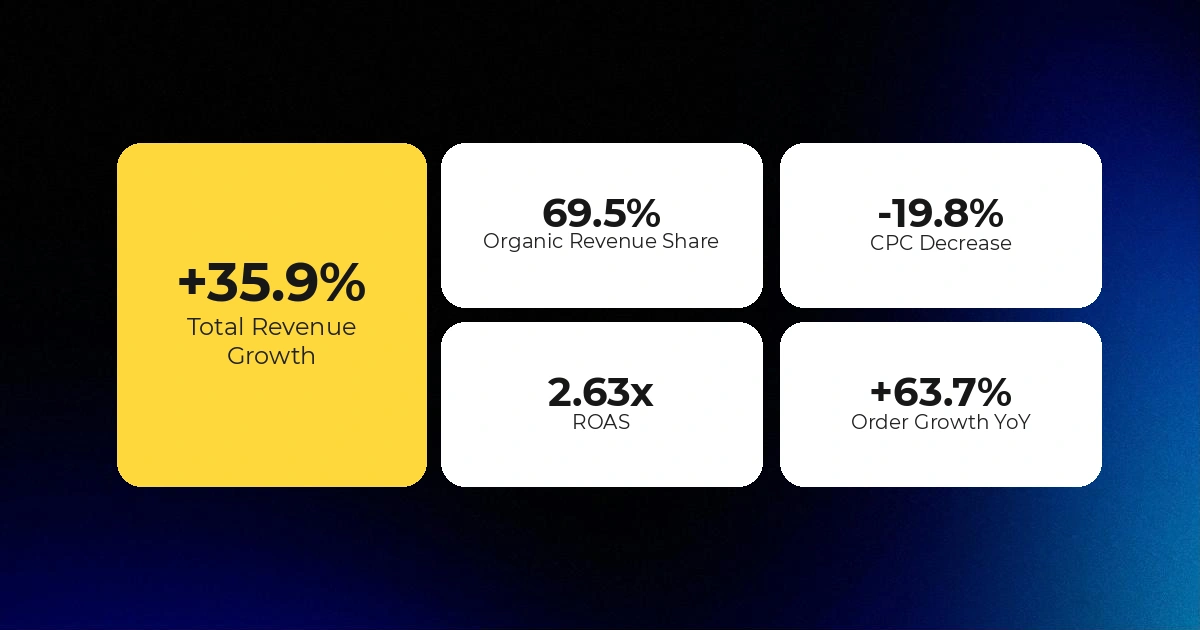
Reading Time: 3 minutes Section 1: About the Client Hat Country, operating as Deadwood Trading…
Reading Time: 3 minutes Section 1: About the Client Milky Mama is a leading maternal…