
Same Product, Yet Different Listing Data on Every Marketplace? Learn to Cross-List with Ease
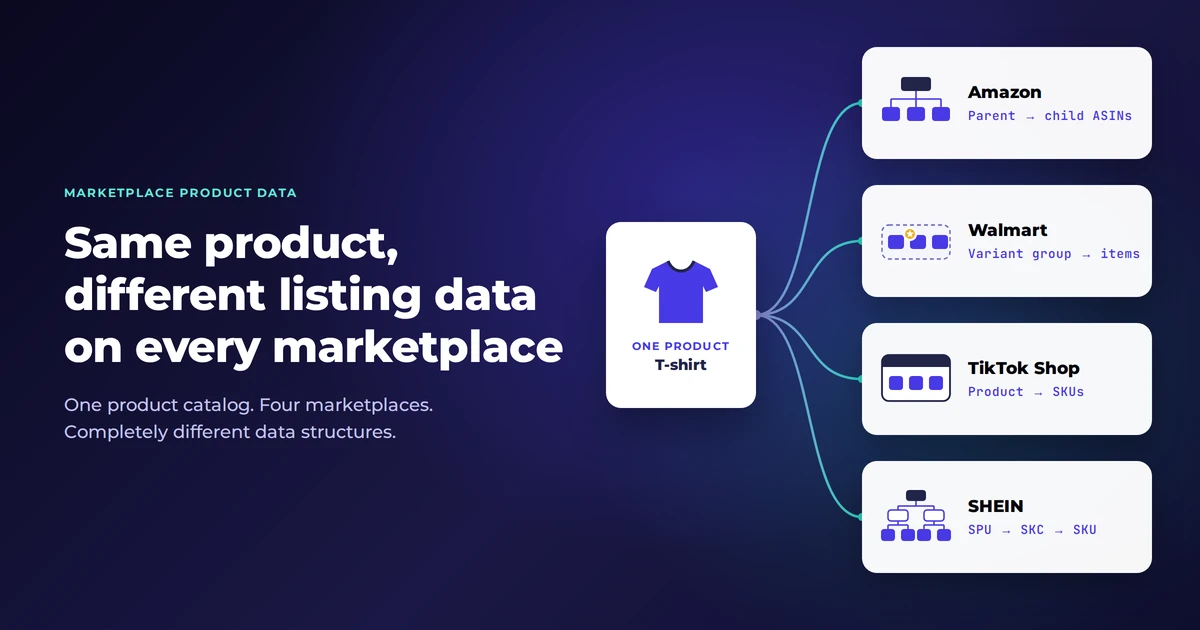
Reading Time: 11 minutes The same physical product can require a different listing structure on…
Running short of time? Get PDF of the blog in your mail.
For over a decade, Walmart defined retail scale. In 2025, that changed.
Amazon reported $716.9 billion in revenue, narrowly surpassing Walmart’s $713.2 billion and ending Walmart’s long-standing position as the world’s largest company by revenue. The numbers are close, the shift is not.
This moment signals a deeper transition in what it takes to win in modern commerce.
Retail leaders are facing a fundamental tension:
The goal is no longer simply “sell more products through more stores.” It is now:
Build the infrastructure that enables continuous, scalable, high-margin commerce across channels.
Amazon and Walmart are pursuing this job in fundamentally different ways.
Amazon’s ascent reflects a long-term strategy aimed at a broader outcome than retail sales alone.
Its growth has been driven by:
A significant share of Amazon’s revenue now comes from non-retail businesses, particularly cloud computing. This diversification allows Amazon to scale revenue without being constrained by traditional retail margins.
The job Amazon has been executing for nearly two decades is:
Change from retailer to infrastructure platform powering commerce and computing.
Retail becomes one pillar inside a larger system.
Walmart continues to generate most of its revenue from physical and digital retail operations. It posted record revenue and strong growth, particularly in eCommerce and store-based fulfillment.
Rather than shifting away from retail, Walmart is executing a different job:
Digitally enable a physical retail empire to compete in a technology-driven market.
This includes:
The objective is not to become a cloud infrastructure provider. It is to modernize retail economics on a massive scale.
The rivalry is now entering a new phase.
Price competition and logistics optimization are no longer sufficient differentiators. Artificial intelligence is emerging as the next frontier of advantage.
Both companies are investing heavily, but with different approaches.
Walmart is building AI capabilities through partnerships and integrations that improve customer discovery, personalization, and purchasing across conversational interfaces.
The focus: Use AI to enhance customer experience and operational efficiency within retail.
Amazon is investing billions into proprietary AI systems, data centers, and enterprise AI services.
The focus: Own the infrastructure layer that powers AI-driven commerce and computing.
Where Walmart integrates AI into retail, Amazon builds the foundation that AI runs on.
Investors are closely watching AI-related spending. Amazon’s aggressive capital expenditures raise short-term profitability concerns.
Walmart’s disciplined growth and operational strength continue to drive strong market performance. The underlying question for markets is:
Which strategy better fulfills the future job of commerce leadership? Infrastructure dominance? Retail optimization at scale? Or a hybrid of both?
Amazon’s surpassing of Walmart does not signal the decline of physical retail. Nor does it diminish Walmart’s scale or profitability.
It reveals a structural shift in what defines leadership:
Retail leadership is no longer only about moving goods efficiently. It is about owning the systems that make modern commerce possible.
The revenue crossover marks the beginning of a new phase in global retail competition. The job to be done has changed:
From:
“Operate the largest retail footprint.”
To:
“Build the most scalable, intelligent commerce system.”
Amazon’s revenue milestone reflects how far it has progressed on that job. Walmart’s continued growth shows it is redefining how to compete within it.
The rivalry is no longer store versus website. It is infrastructure versus optimization, and AI is becoming the deciding lever.
Source: https://www.cnbc.com/2026/02/19/amazon-revenue-passes-walmart-earnings-reports.html

Reading Time: 11 minutes The same physical product can require a different listing structure on…
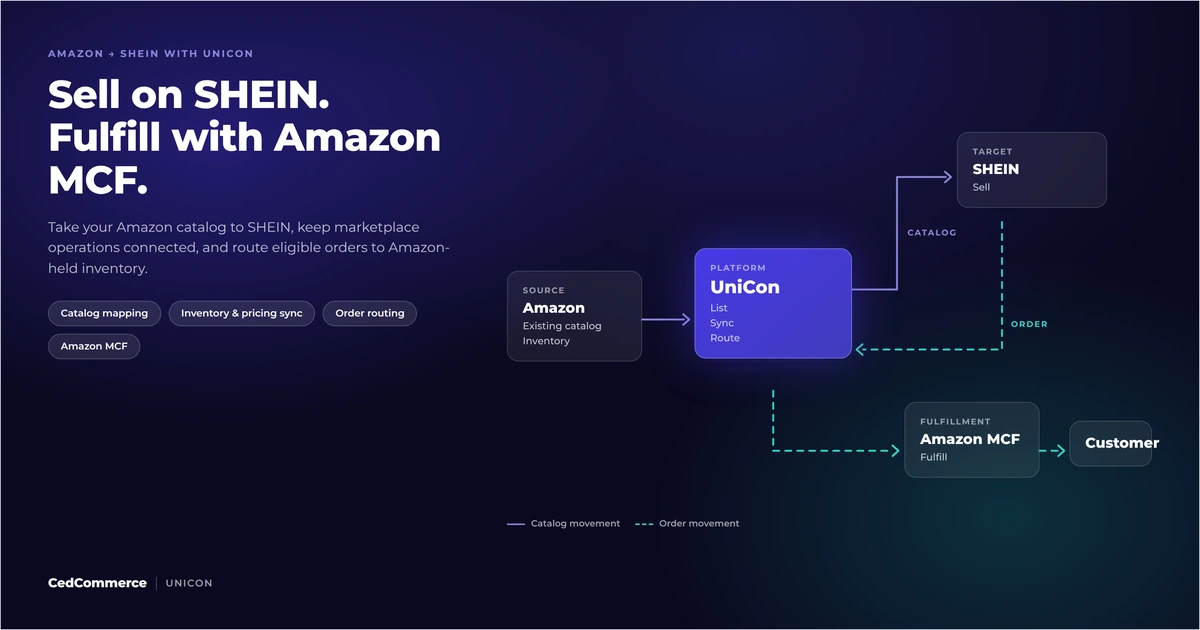
Reading Time: 12 minutes Looking to sell on SHEIN from Amazon? You could potentially tap…
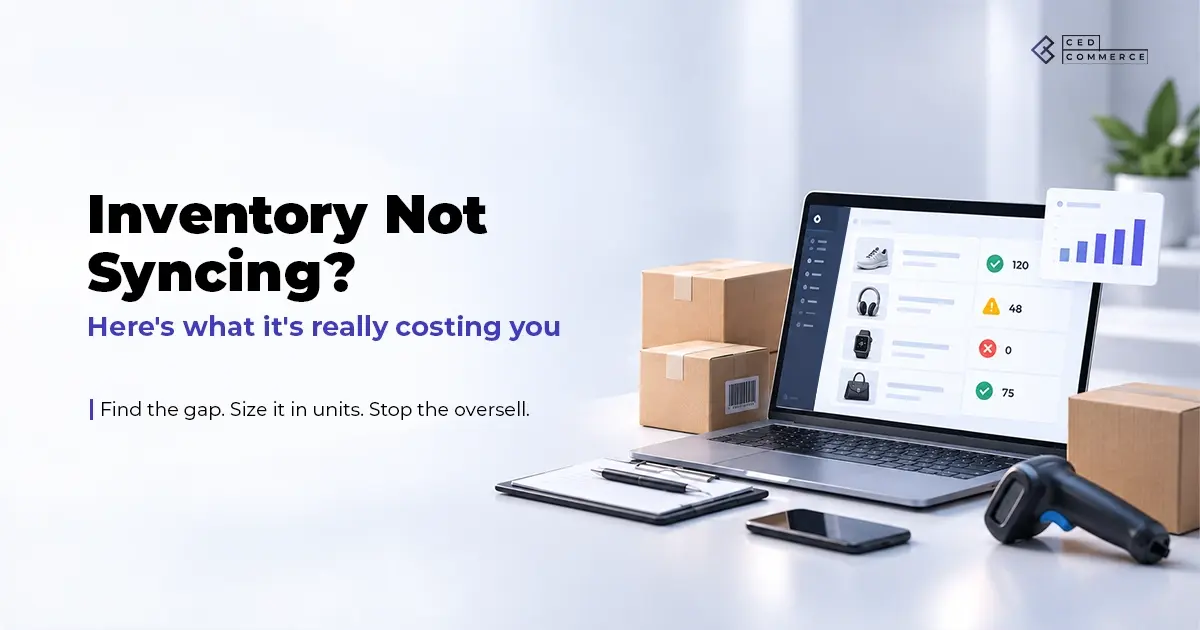
Reading Time: 15 minutes Your marketplace app does not sync continuously. It syncs on a…
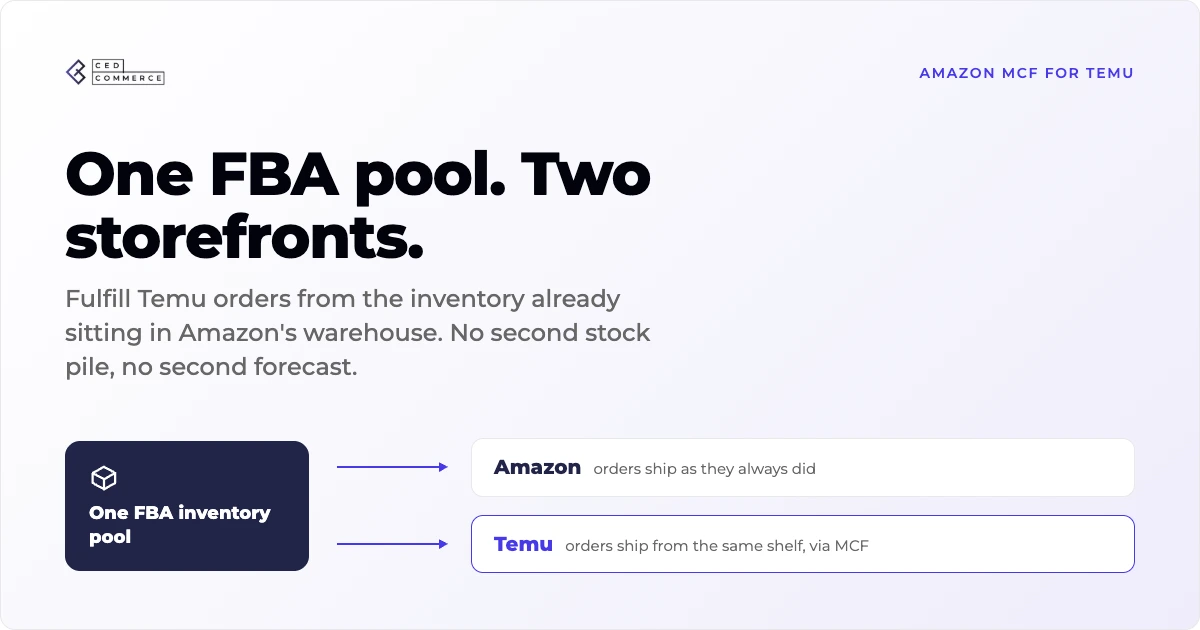
Reading Time: 19 minutes Ever wondered if your FBA inventory could turn Amazon into a…

Reading Time: 18 minutes If you’re an established third-party brand or authorized reseller looking for…
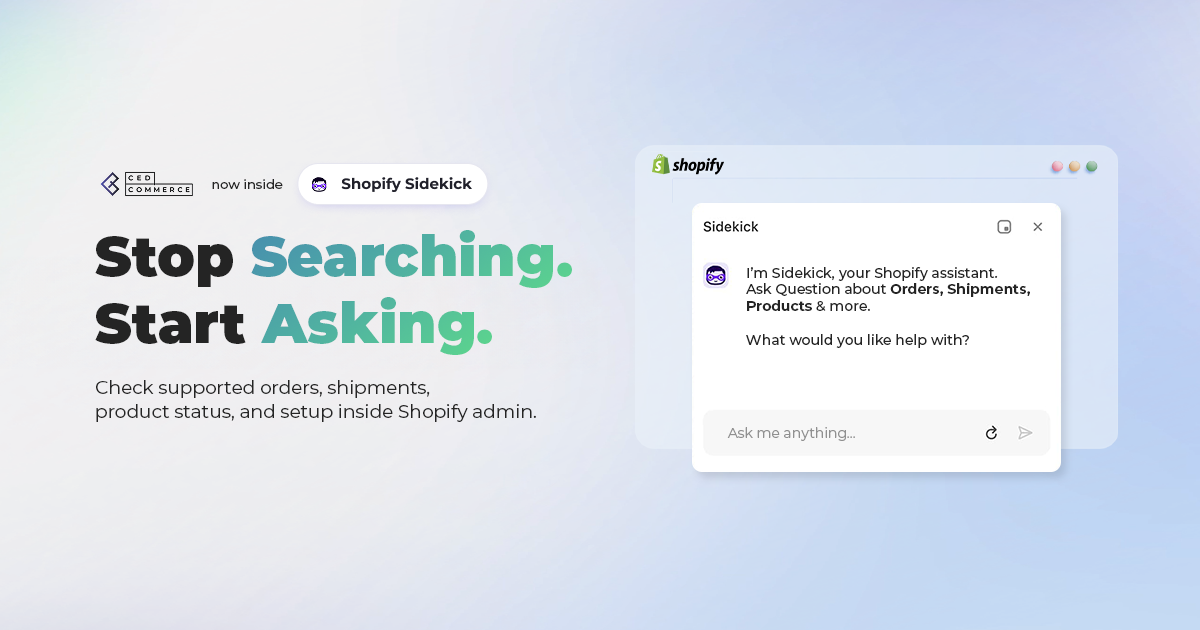
Reading Time: 6 minutes Your marketplace stack may be connected, but your attention is still…
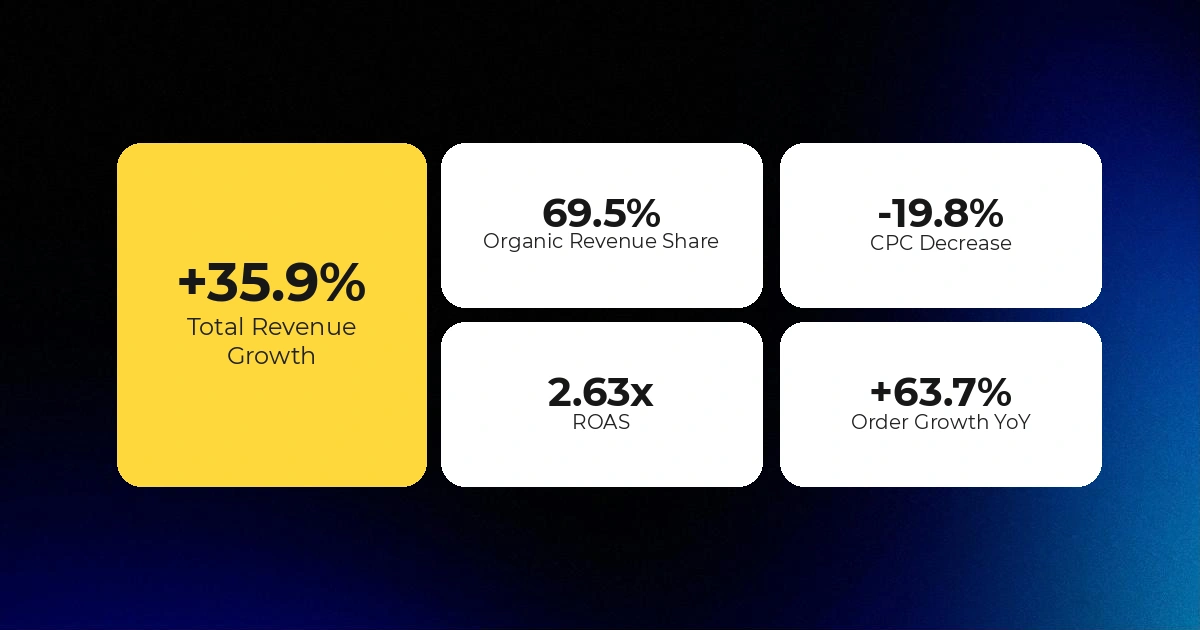
Reading Time: 3 minutes Section 1: About the Client Hat Country, operating as Deadwood Trading…
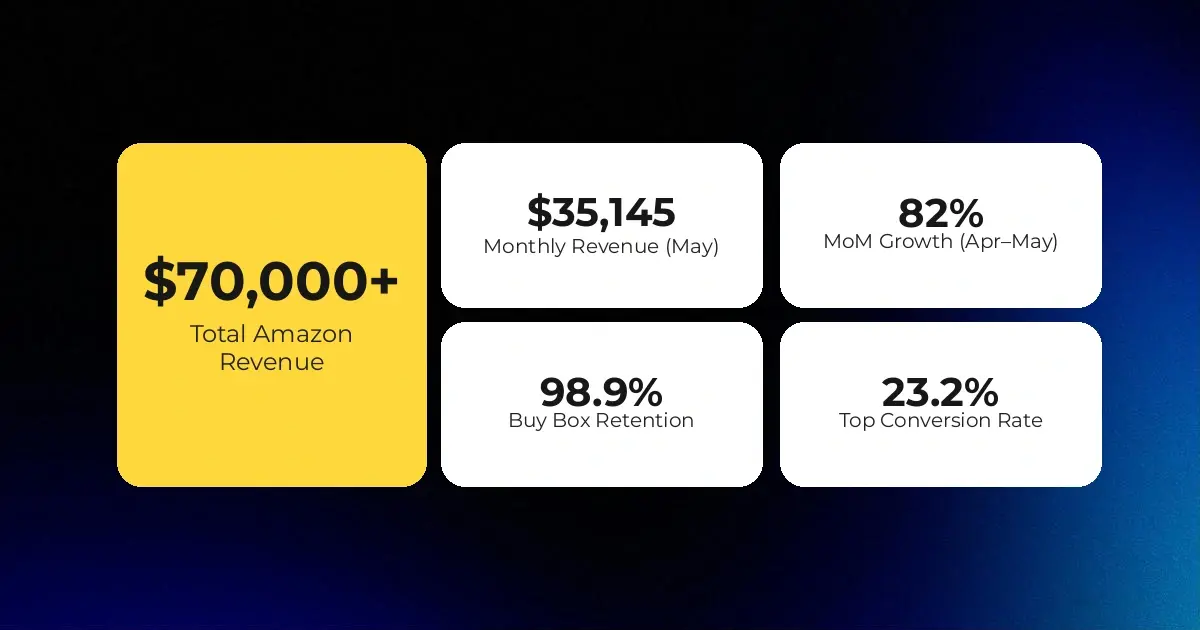
Reading Time: 3 minutes Section 1: About the Client Milky Mama is a leading maternal…
Reading Time: 4 minutes Amazon Prime Day 2026 helped drive more than $26.4 billion in…
Reading Time: 2 minutes Amazon has announced a major catalog optimization change that will impact…