
TikTok Shop Expands Seller Logistics With Shipping and Pickup
Reading Time: 3 minutes TikTok Shop is strengthening its U.S. seller logistics stack with Upgraded…

Running short of time? Get PDF of the blog in your mail.
Online retail spending in Germany is entering a renewed growth phase after several years of stagnation, with forecasts indicating sustained expansion through the end of the decade. According to a new industry report published by IFH KÖLN, Germany’s online retail market is expected to grow at an average annual rate of 4.2 percent over the next four years, signaling a clear rebound in eCommerce momentum.
The research institute projects that online retail spending will continue to rise steadily, supported by structural shifts in consumer behavior, retail infrastructure, and digital adoption across the country.
IFH KÖLN estimates that online retail spending in Germany could reach up to €110 billion this year, with growth expected to fall within a range of 2.7 percent to 5.7 percent depending on market conditions. This follows a 3.8 percent increase in online spending last year, reinforcing the view that eCommerce has moved past its recent slowdown phase.
After experiencing declines in the years following the pandemic-driven surge, Germany’s eCommerce market is now showing consistent upward movement again. Data from multiple industry sources align with IFH KÖLN’s findings, confirming that online retail has regained traction across the broader retail landscape.
The renewed expansion is being led primarily by Germany’s largest online retailers, with major platforms such as Amazon capturing a significant share of incremental growth. These players benefit from scale advantages, advanced logistics networks, and high consumer trust, enabling them to convert increased online demand more effectively than smaller or less digitally mature retailers.
As online shopping frequency rises, established platforms with fast delivery, wide assortments, and integrated services are increasingly positioned as default shopping destinations for German consumers.
According to IFH KÖLN, multiple structural factors are contributing to the current growth cycle. Market expert Hansjürgen Heinick highlights the growing role of digital infrastructure and everyday technology in reshaping purchasing behavior.
Key drivers include:
Together, these factors are increasing the frequency of online purchases while expanding eCommerce’s role in everyday consumption.
IFH KÖLN’s analysis indicates that online growth is occurring across all product categories, rather than being concentrated in a small number of segments.
Notably, online food retail stands out as the fastest-growing category, with a projected 14.6 percent growth rate this year. This reflects rising consumer acceptance of online grocery shopping, improved cold-chain logistics, and expanded delivery coverage.
Other high-growth segments include health and wellness, which is expected to grow by 8.8 percent, driven by demand for supplements, personal care products, and health-related services purchased online.
The broad-based nature of this growth suggests that eCommerce adoption in Germany is deepening rather than plateauing.
To project long-term growth, IFH KÖLN applied scenario analysis across three different market conditions. In all scenarios, online retail spending continues to increase through 2029, underscoring the structural resilience of eCommerce in Germany.
Even under more conservative assumptions, eCommerce maintains a positive growth trajectory, supported by ongoing digitalization and changing consumer expectations.
The report suggests that Germany’s eCommerce recovery is not merely cyclical, but structural. As physical retail footprints continue to shrink and digital touchpoints multiply, online channels are becoming embedded in everyday retail behavior.
For retailers, platforms, and technology providers, the outlook reinforces the importance of long-term investment in eCommerce infrastructure, logistics, and omnichannel capabilities to remain competitive in one of Europe’s largest consumer markets.
Source: https://ecommercenews.eu/online-retail-in-germany-to-grow-until-2030/


Reading Time: 3 minutes TikTok Shop is strengthening its U.S. seller logistics stack with Upgraded…

Reading Time: 2 minutes Amazon has opened a new Global Warehousing & Distribution (GWD) facility…
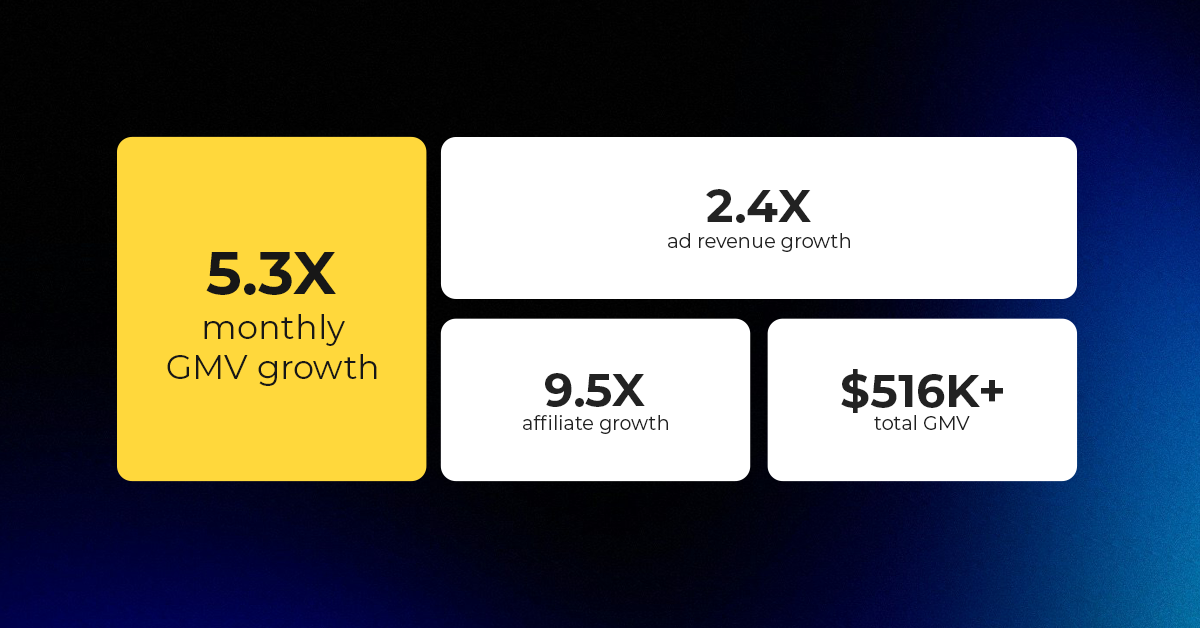
Reading Time: 3 minutes About the Client The Drive Clothing is a lifestyle apparel brand…

Reading Time: 3 minutes Amazon is updating its reference pricing rules in two phases that…

Reading Time: 4 minutes Temu has become a General Member of the International AntiCounterfeiting Coalition,…

Reading Time: 3 minutes eBay has shared early results from its 24 Hours of Drops…

Reading Time: 3 minutes eBay has been revealed as a beta partner in Meta’s new…

Reading Time: 3 minutes Etsy is updating its Purchase Protection programme from 7 May, and…
Reading Time: 2 minutes Walmart is doubling down on creator-driven social commerce, turning influencer content…
Reading Time: 2 minutes In a major follow-up to our earlier coverage — “Amazon Confirms:…

Reading Time: 12 minutes From Etsy policy changes, such as fees and payments, to creativity…

Reading Time: 1 minuteDigital Commerce 360 reports that eCommerce accounted for 25% of total retail…

Reading Time: 1 minuteA coalition of 23 WTO member countries, including the United States, Britain,…
Reading Time: 2 minutes Amazon has announced a 3.5% surcharge for sellers using its fulfilment network…
Reading Time: 2 minutes Amazon has officially expanded its free, box-free, label-free returns network by…
Reading Time: 2 minutes Walmart is bringing Sparky, its proprietary shopping assistant, into ChatGPT, marking…
Reading Time: 2 minutes Visa has rolled out six AI-powered dispute resolution tools aimed at…
Reading Time: 3 minutes On March 26, 2026, the European Parliament and the Council reached…
Reading Time: 4 minutes Kanzen Skincare and six other brands are preparing for what is…
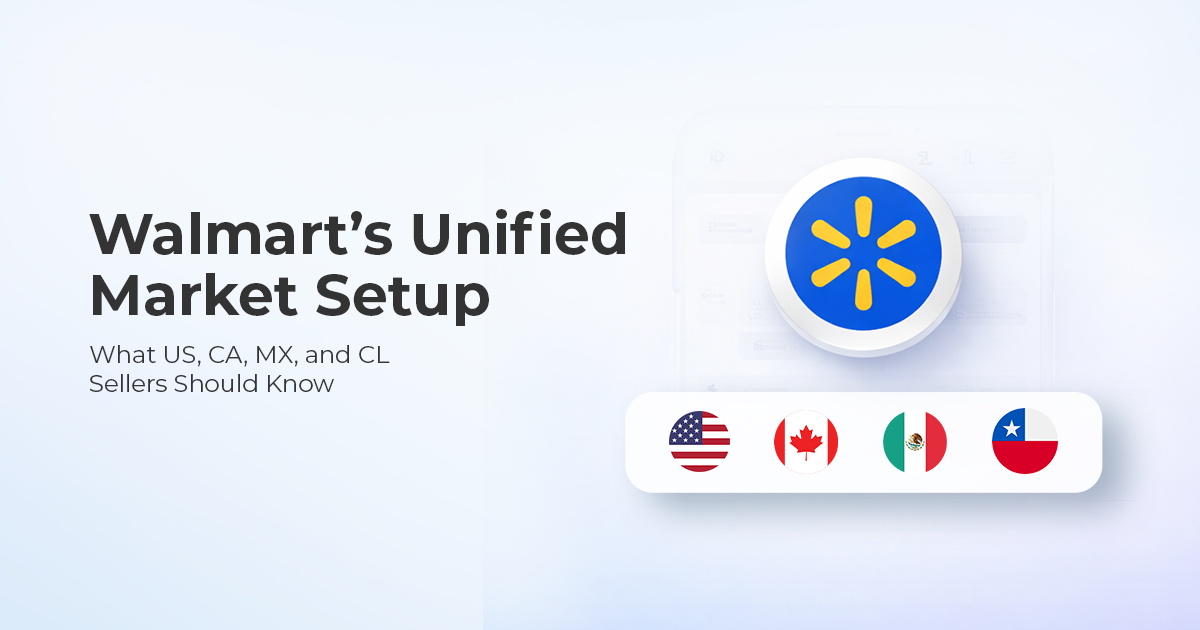
Reading Time: 5 minutes When a seller expands to a new Walmart market, the first…