
TikTok Shop UK report finds one LIVE can outsell a typical week
Reading Time: 3 minutes One LIVE shopping session can bring in more revenue than a…
Running short of time? Get PDF of the blog in your mail.
TikTok Shop updated its Cross-Border Seller Academy guidance on AI-generated content on November 13, 2026. Sellers and creators can use AI in promotional content if it depicts products accurately and respects others’ rights. Creators must disclose content that AI generated entirely or edited substantially. TikTok Shop’s US Seller Academy has its own guidance, dated September 2, 2026. Check the policy for the market where you publish. (Sources: Cross-Border Seller Academy · US Seller Academy)
Label content when AI created the whole asset or changed it substantially. TikTok calls out realistic synthetic faces, voices, and digital presenters, along with changes that alter what someone says or does or change the original scene’s meaning. Basic edits, such as cropping, light color correction, and noise reduction, don’t require disclosure on their own.
For a video, use the AI-generated content toggle in posting settings or add a clear disclosure in the content, such as on-screen text or a watermark. TikTok can also label qualifying content automatically, including from technical metadata. If automatic labeling doesn’t appear on content that requires disclosure, use a creator disclosure. (Sources: TikTok Shop’s labeling guidance · TikTok Help Center)
The product in the clip must match the product the buyer receives. AI can’t add an attachment the seller doesn’t ship, show a different finish, or make a cleaning product appear to work instantly if it doesn’t. The policy also prohibits unauthorized use of another person’s likeness or voice and fabricated endorsements. Depending on the violation, TikTok Shop can restrict distribution, remove content, or impose account restrictions. (Sources: TikTok Shop’s restrictions and enforcement guidance · TikTok Shop US Content Policy)
is_aigc field. Providers that use Direct Post should test their own publishing path and confirm how the disclosure appears to viewers. The policy update describes what the content must show and disclose. It doesn’t announce a new field for catalog imports. (Sources: TikTok Direct Post API reference · Cross-Border Seller Academy)Sync your Shopify product details to TikTok Shop. Before publishing an AI-assisted demo, compare it with the live listing for accuracy & consistency!
Open the product page and the final edit side by side. Check the selected variant, the contents of the package, and any product claim the clip makes. Confirm that you have permission for any voice or likeness used, then choose the disclosure method if the asset requires one. For a cross-border campaign, repeat that review on each localized cut if the footage, voice, or claims change.

Reading Time: 3 minutes One LIVE shopping session can bring in more revenue than a…
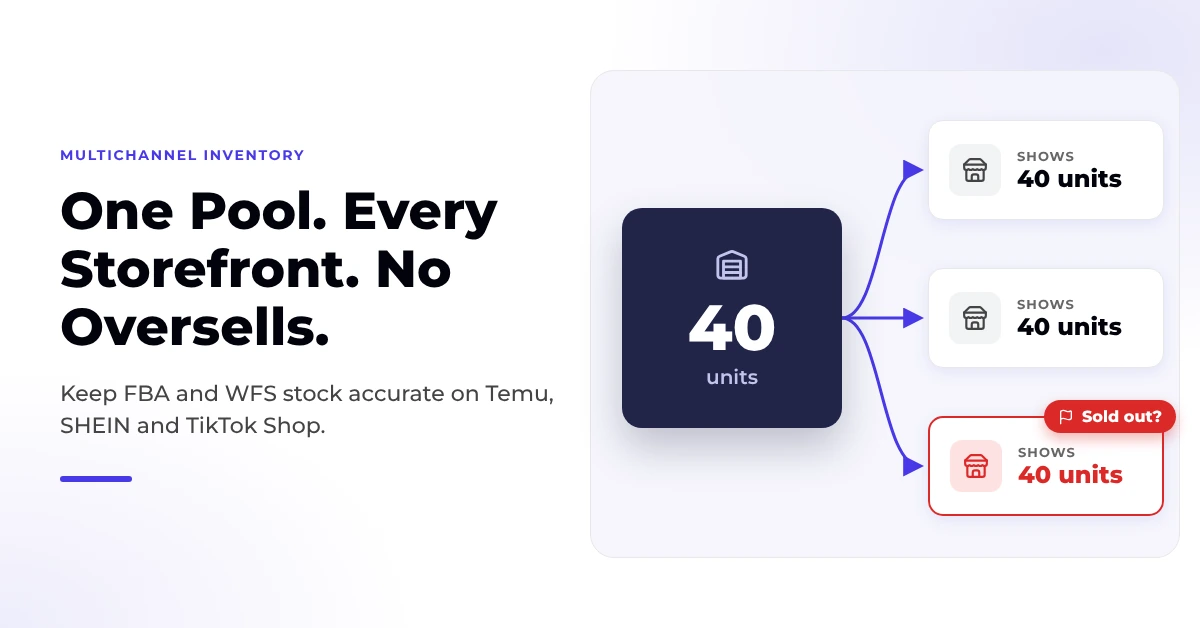
Reading Time: 9 minutes When one Amazon FBA or Walmart WFS inventory pool also sells…
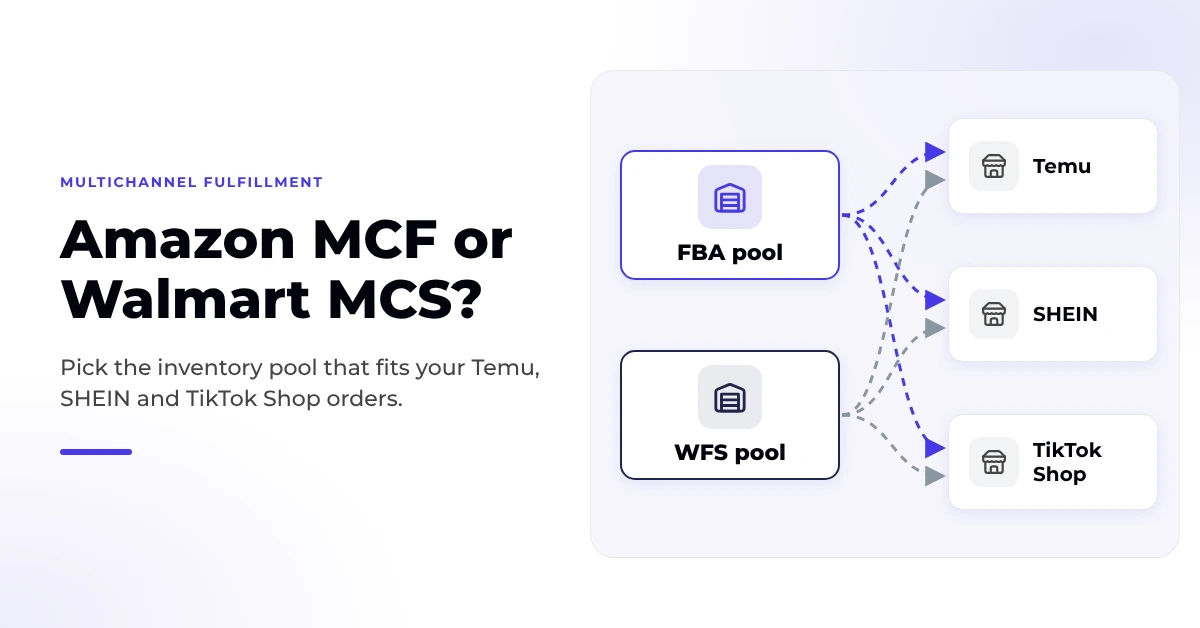
Reading Time: 9 minutes Amazon MCF and Walmart MCS both name Temu, SHEIN and TikTok…
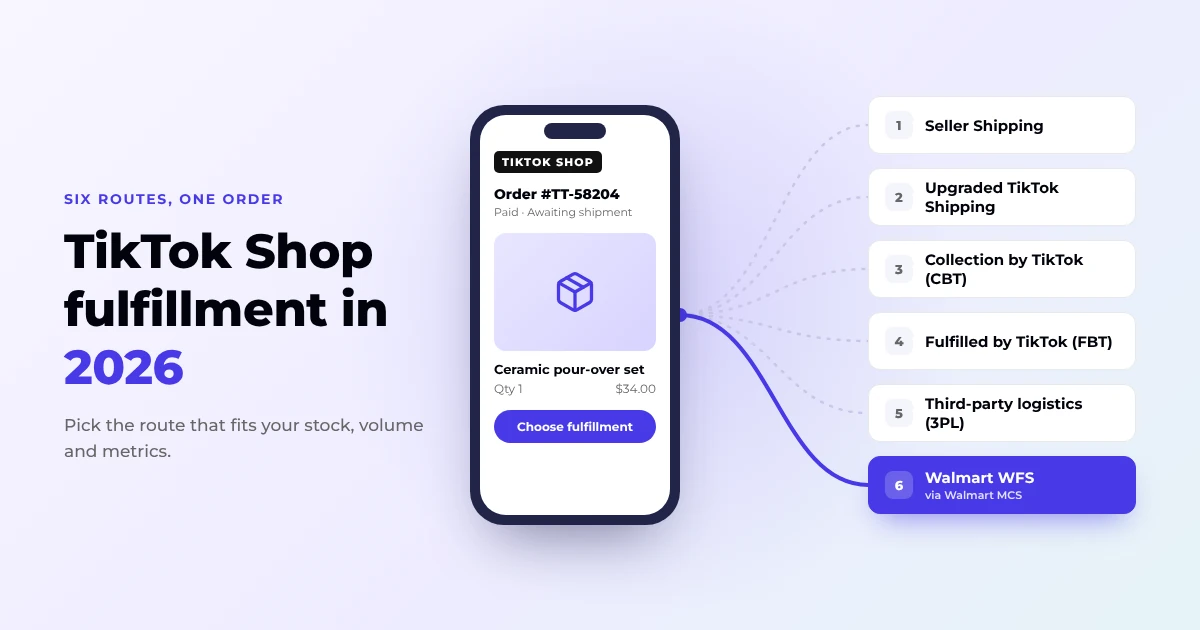
Reading Time: 14 minutes TikTok Shop fulfillment in the US now comes down to six…
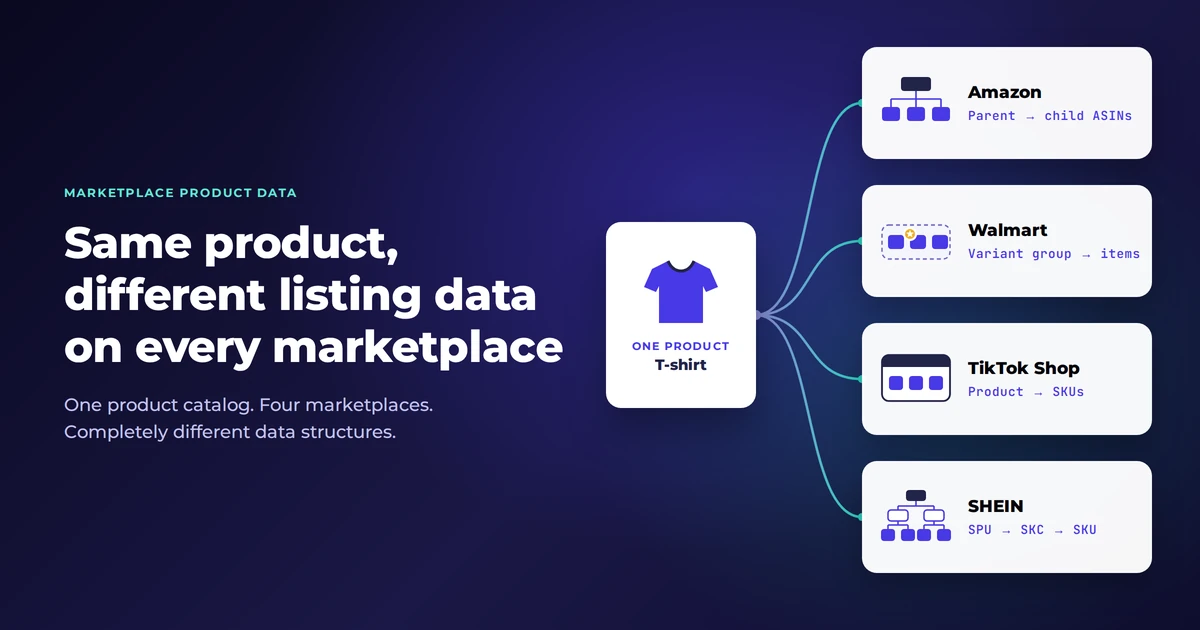
Reading Time: 11 minutes The same physical product can require a different listing structure on…
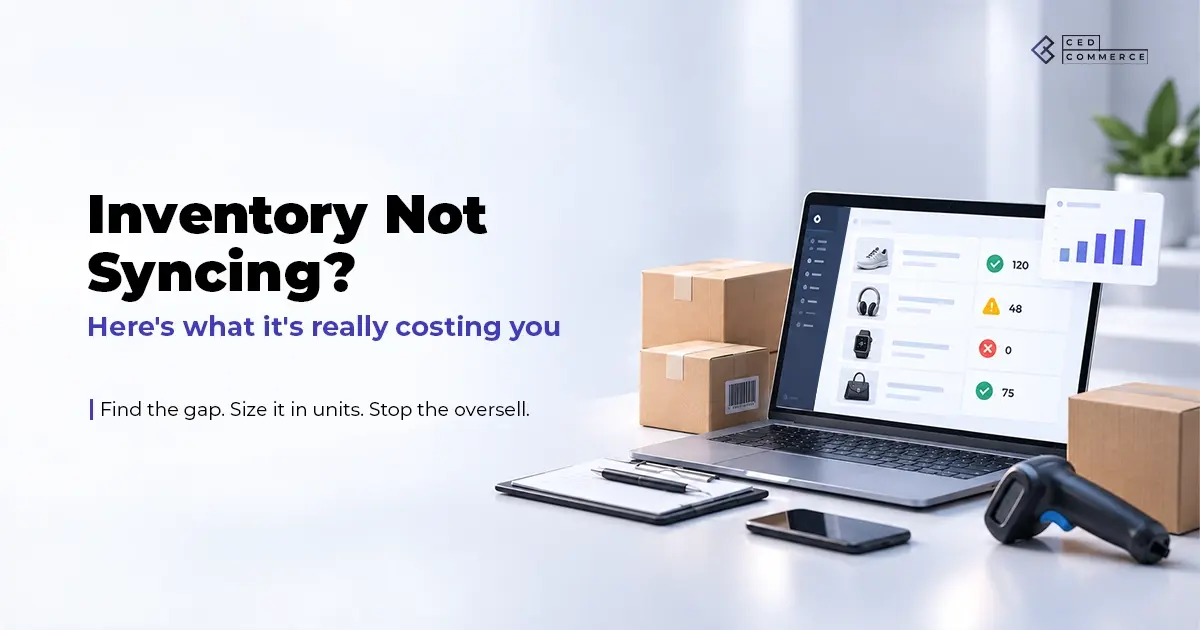
Reading Time: 15 minutes Your marketplace app does not sync continuously. It syncs on a…
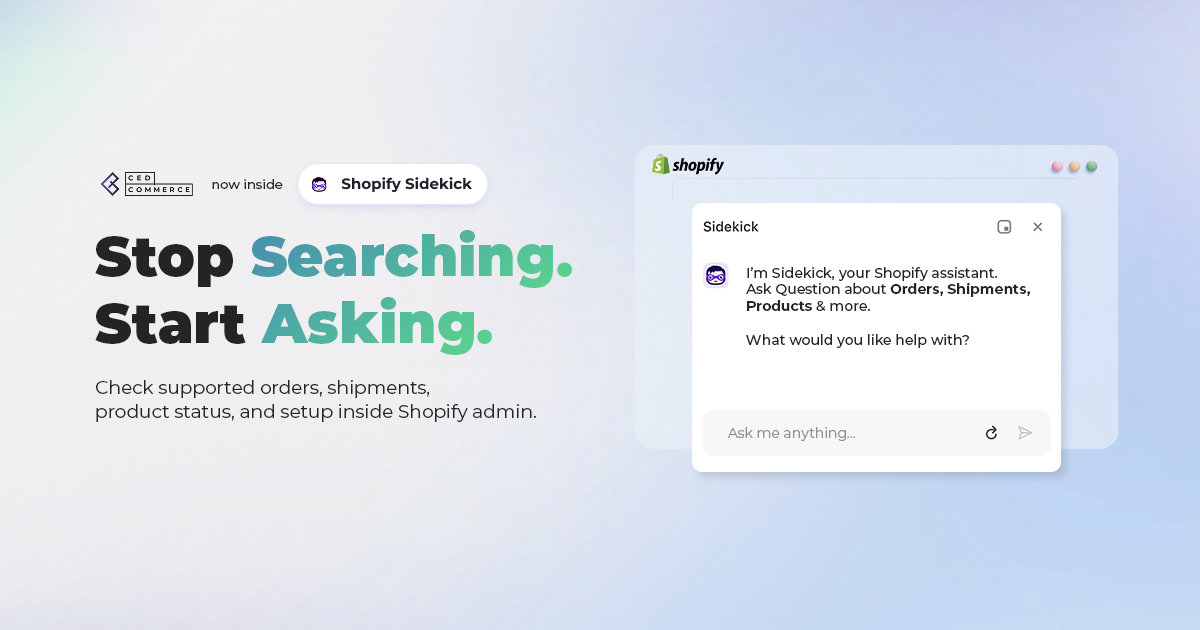
Reading Time: 6 minutes Your marketplace stack may be connected, but your attention is still…
Reading Time: 3 minutes TikTok Shop has officially launched its global mid-year commerce campaign, reinforcing…
Reading Time: 3 minutes About the Client Tees2urdoor is a fast-scaling apparel and print-on-demand brand…
Reading Time: 13 minutes Your Amazon catalog already sells. The question is whether it can…