
TikTok Shop Fulfillment in 2026: 6 Options and How to Ship from Walmart WFS
Reading Time: 14 minutes TikTok Shop fulfillment in the US now comes down to six…

Running short of time? Get PDF of the blog in your mail.
TikTok Shop is entering a new phase of marketplace maturity in the United States with its updated TikTok Shop Fulfillment policy. Beginning February 25, 2026, U.S. sellers will no longer be able to fulfill orders using the platform’s Seller Shipping option. All orders must instead move through TikTok Shop Logistics Services, which include Fulfilled by TikTok (FBT), Upgraded TikTok Shipping, or Collections by TikTok (CBT).
For sellers, this update is less about a single fulfillment rule and more about a structural change in how operations, data, and logistics are managed on TikTok Shop. As sellers adapt to TikTok Shop’s latest logistics requirements, integration reliability becomes critical, and CedCommerce is already aligned with the new fulfillment framework in key ways.
Until now, TikTok Shop allowed sellers to ship orders using their own carrier accounts or third-party logistics partners with minimal platform oversight. That flexibility ends in February. Now, under the new policy:
This aligns TikTok Shop’s fulfillment structure more closely with models established by large marketplaces such as Amazon, where logistics control is central to customer experience consistency.
Ahead of this update, CedCommerce is helping sellers maintain data accuracy across platforms by syncing tracking details automatically to their D2C store once an order is shipped. Want to learn more about this? Click here to book a free consultation call with our TikTok Shop growth experts.
TikTok Shop is rolling this change out in stages, with clear cutoff points:
Sellers onboarding after February 9 will not receive a transition window. After March 31, there is no grandfathering; orders must comply with TikTok Shop Logistics Services to continue selling.
Faster delivery expectations aren’t negotiable anymore. Buyers scrolling TikTok Shop want their impulse purchases on their doorstep in 48 hours, not five business days, i.e., FBT becomes a more preferred option for TikTok Shop sellers.
Centralized fulfillment is not only about shipping, but it’s also about enforcement through performance benchmarks. TikTok Shop evaluates sellers against the four core metrics:
These metrics are calculated weekly and enforced automatically. Sellers exceeding thresholds may face order volume limits or suspension of new orders. Notably, FBT and TikTok Shipping orders are exempt from some delivery-related metrics, reducing operational risk during demand spikes.
This is especially relevant on TikTok Shop, where viral growth can turn 100 daily orders into 1,000 within hours. Manual workflows and spreadsheet-based inventory management often fail under this pressure.
This TikTok Shop fulfillment update in 2026 raises the bar for logistics and technology providers serving sellers. Fulfillment partners now need not only physical infrastructure, but also certified technical integrations. As a result, sellers should expect clearer differentiation between TikTok-compliant providers and general-purpose fulfillment services.
For merchants, this makes partner selection more strategic: fulfillment readiness on TikTok Shop is now a requirement, not an advantage.
When sellers fulfill orders through FBT or CBT, CedCommerce automatically syncs tracking and order updates back to the seller’s DTC store or backend systems. This ensures that even though fulfillment is managed within TikTok’s ecosystem, sellers retain visibility across their broader commerce operations.
CedCommerce is already CBT compatible for TikTok Shop in European markets. That foundation means the core architecture needed for CBT support exists, reducing complexity as sellers move toward platform-approved logistics models.
In a fulfillment environment where control is increasingly centralized, the role of integration software shifts from convenience to necessity. Sellers need accurate inventory, order, and tracking data flowing across channels without manual intervention.

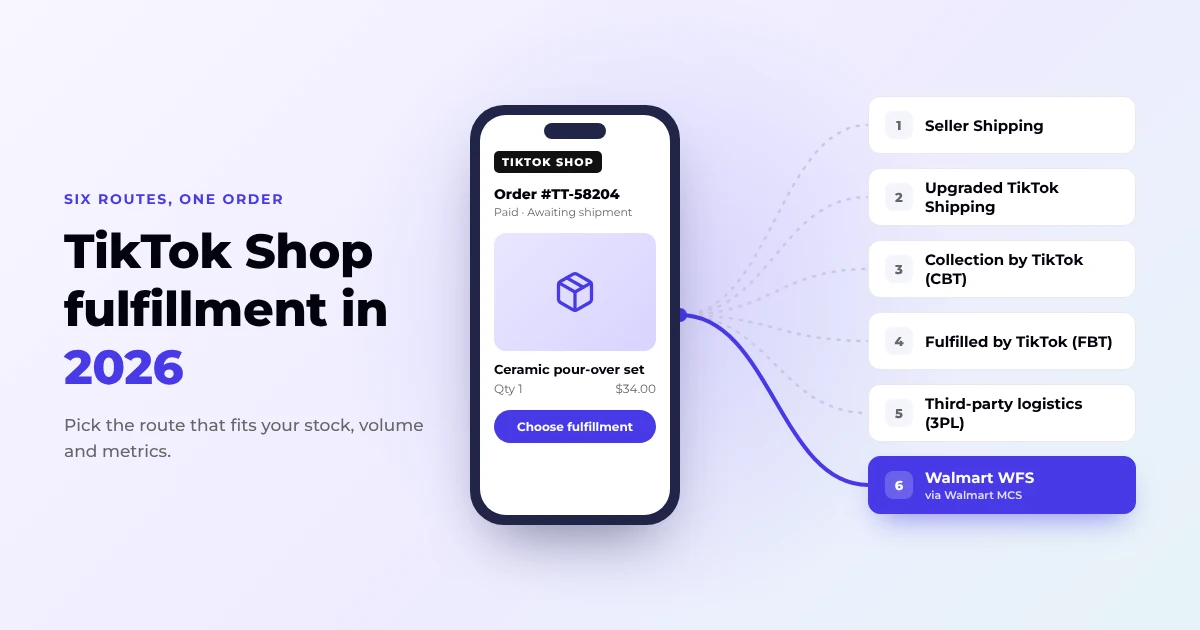
Reading Time: 14 minutes TikTok Shop fulfillment in the US now comes down to six…
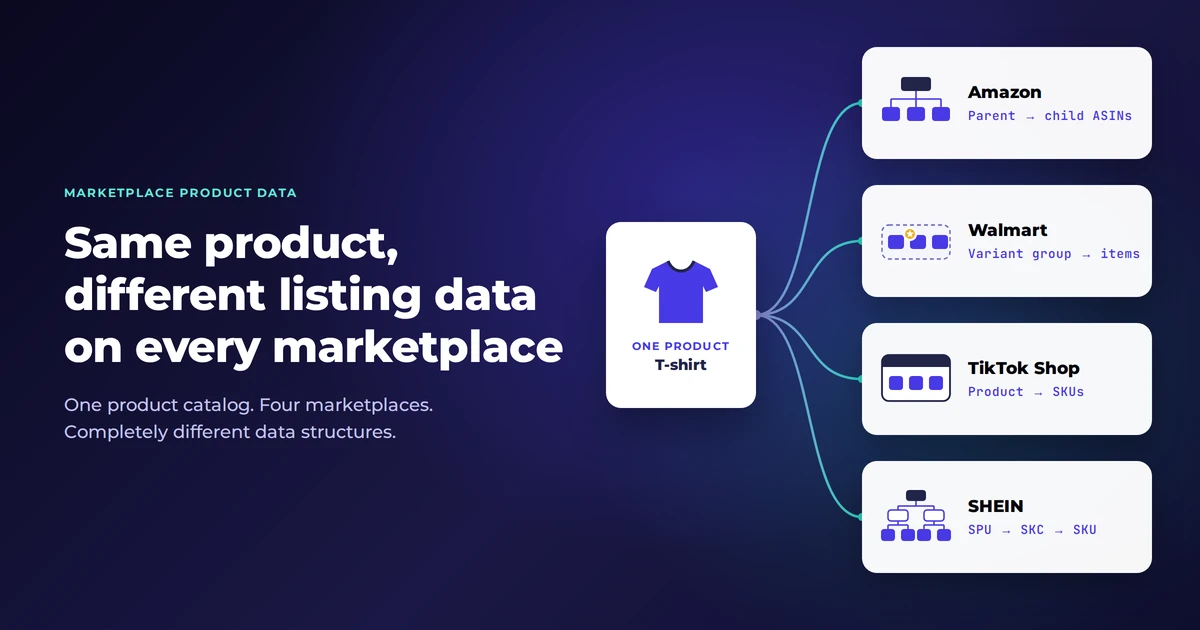
Reading Time: 11 minutes The same physical product can require a different listing structure on…
Reading Time: 15 minutes Your marketplace app does not sync continuously. It syncs on a…
Reading Time: 6 minutes Your marketplace stack may be connected, but your attention is still…
Reading Time: 3 minutes TikTok Shop has officially launched its global mid-year commerce campaign, reinforcing…
Reading Time: 3 minutes About the Client Tees2urdoor is a fast-scaling apparel and print-on-demand brand…
Reading Time: 13 minutes Your Amazon catalog already sells. The question is whether it can…
Reading Time: 9 minutes Your buyers are not shopping in one place anymore. They search…
Reading Time: 3 minutes TikTok has announced a major initiative in the UK publishing ecosystem…
Reading Time: 3 minutes TikTok Shop is strengthening its U.S. seller logistics stack with Upgraded…