
Centralized Catalog, Faster Publishing: 40ParkLane’s Marketplace Success with CedCommerce
Reading Time: 4 minutesAbout the Brand: 40ParkLane LLC Studio40ParkLane is a design-led print-on-demand brand created…

Running short of time? Get PDF of the blog in your mail.
OpenAI has announced a new AI-powered shopping research tool designed to help consumers compare products, interpret reviews, and make faster purchase decisions. The feature is part of OpenAI’s wider shift into consumer eCommerce enablement, after earlier partnerships with Shopify and Instacart in 2024. According to OpenAI, the tool will function as an “AI shopping assistant” embedded within ChatGPT, capable of analyzing large product catalogs, surfacing top options, and offering real-time comparisons.
For eCommerce sellers, this marks a significant shift: AI-driven shopping queries could influence pre-purchase behavior across marketplaces, search channels, and D2C storefronts during peak Q4 buying.
The new research tool pulls product information from online sources to help buyers:
OpenAI states that responses blend publicly available data, brand content, and user-generated reviews, offering shoppers a “summarized understanding” of products.
The feature can interpret reviews at scale, identifying:
This could elevate brands with consistently strong reviews while exposing sellers whose listings have outdated product information or quality issues.
ChatGPT adapts recommendations based on:
This creates a shift from keyword-based discovery to intent-based discovery, affecting how sellers optimize listings, A+ content, and product descriptions.
Based on previous OpenAI + Shopify 2024 integrations, industry analysts expect:
Though not confirmed, this direction aligns with OpenAI’s announcement.
ChatGPT’s shopping tool leans heavily on structured, descriptive, and consistent product attributes. Sellers on Amazon, Walmart, Etsy, TikTok Shop, and Shopify will need to:
AI prefers clarity over density.
Because the tool generates summary insights, a single recurring negative review pattern (size issues, shipping delays, material problems) may appear in AI comparisons instantly. Strong NBFR rates, accurate descriptions, and quality control become even more important.
ChatGPT tends to reference multiple marketplaces. If a seller’s data varies across Amazon, Walmart, TikTok Shop, and Shopify, the AI may:
Marketplace parity becomes essential.
Because ChatGPT often highlights value-based options, smaller sellers with:
could see new visibility against larger brands.
The tool reinforces a growing trend: sellers need unified, structured, AI-friendly listing data across all their sales channels.
Ensure:
Prioritize:
Use integrations to sync:
This prevents AI misinterpretation.
ChatGPT often includes brand context in answers. Brands with clear positioning may see higher AI-driven trust.
During Q4, where product research surges, AI-driven discovery could significantly influence:
Instacart has expanded its partnership with OpenAI by launching a deeper ChatGPT integration that enables end-to-end grocery shopping with in-app checkout. Unlike discovery-only AI assistants, this integration allows users to search for products, receive personalized recommendations, and complete purchases directly within the ChatGPT experience.
This move positions ChatGPT not just as a research assistant, but as a transactional commerce interface.
Combined with OpenAI’s shopping research tool, prior Shopify integrations, Instacart’s transactional layer; this update confirms OpenAI’s direction toward becoming a commerce decision + execution layer, not just a discovery engine.
The Instacart checkout integration reinforces a clear takeaway for sellers: AI is no longer upstream. It’s now sitting between discovery and checkout.
For CedCommerce sellers, this means:
CedCommerce continues to help sellers prepare for AI-driven commerce through:
As AI assistants begin closing carts, sellers who control their product data will control demand.


Reading Time: 4 minutesAbout the Brand: 40ParkLane LLC Studio40ParkLane is a design-led print-on-demand brand created…
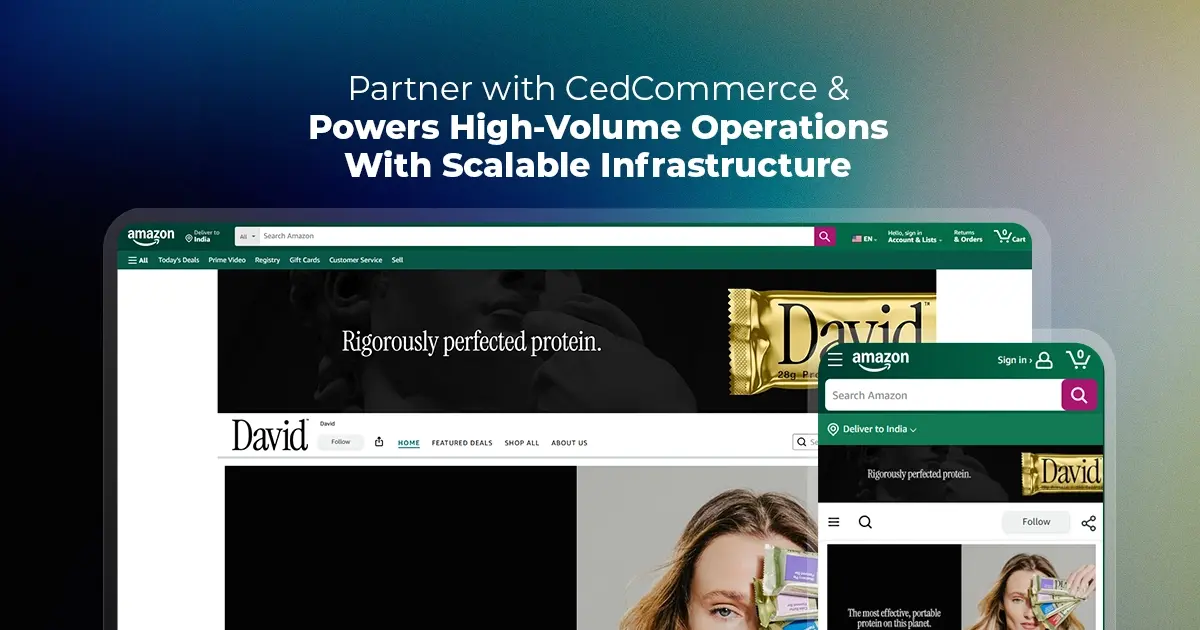
Reading Time: 3 minutesAbout the Company Brand Name: David Protein Industry: Health & Nutrition (Protein…

Reading Time: 3 minutesOnline retail spending in Germany is entering a renewed growth phase after…

Reading Time: 4 minutesTikTok Shop has released a comprehensive Beauty and Personal Care Products Policy,…
Reading Time: 4 minutesTikTok Shop has formally outlined comprehensive requirements for expiration date labeling and…

Reading Time: 3 minutesTikTok Shop is raising its sales commission for merchants across five active…

Reading Time: 11 minutesBy now you have seen your BFCM 2025 numbers. The harder question…
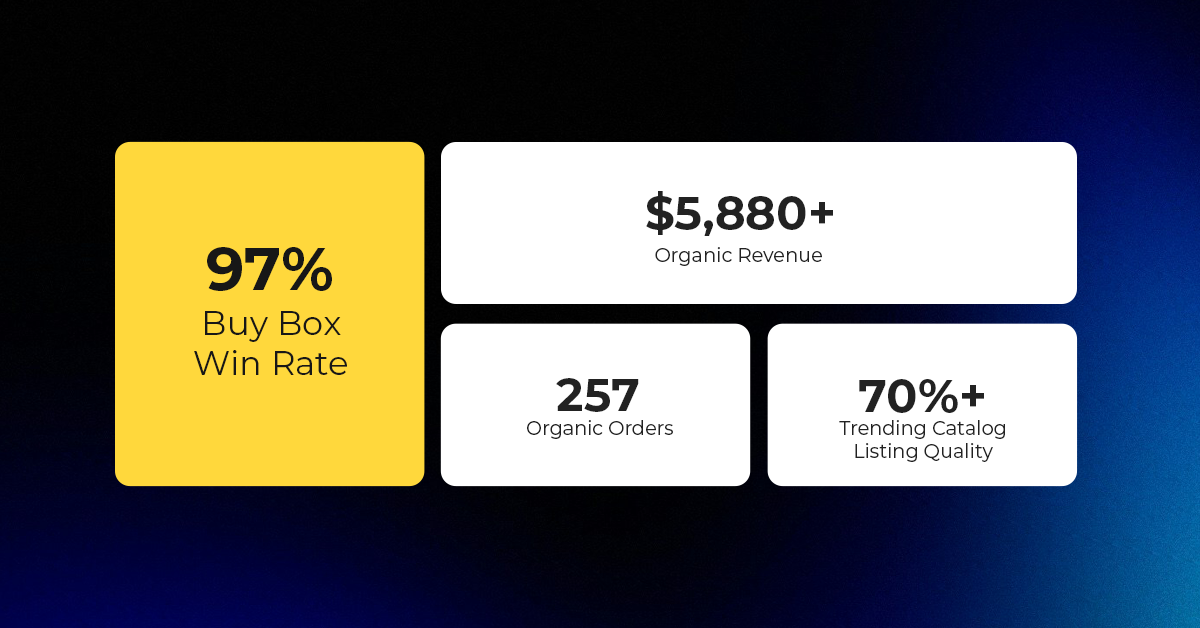
Reading Time: 3 minutesAbout the Brand Name: Vanity Slabs Inc Industry: Trading Slabs- Vanity Slabs…
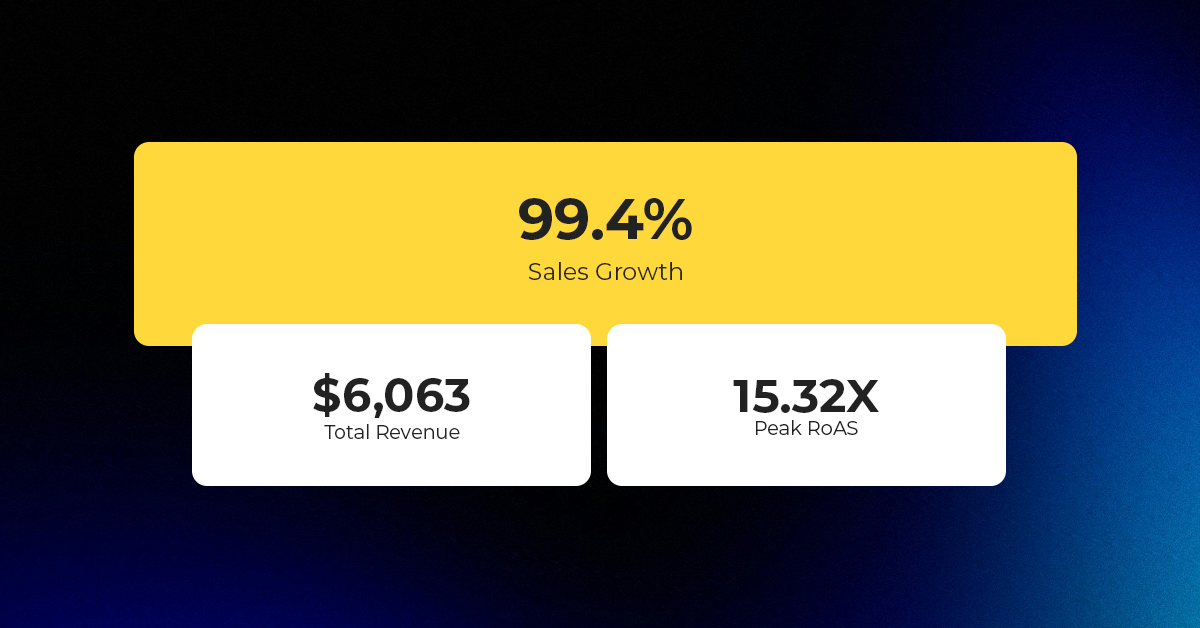
Reading Time: 2 minutesAbout the Brand Name: Ramjet.com Industry: Automotive Parts & Accessories Location: United…

Reading Time: 2 minutesAmazon is rolling out strategic referral fee reductions across five major European…
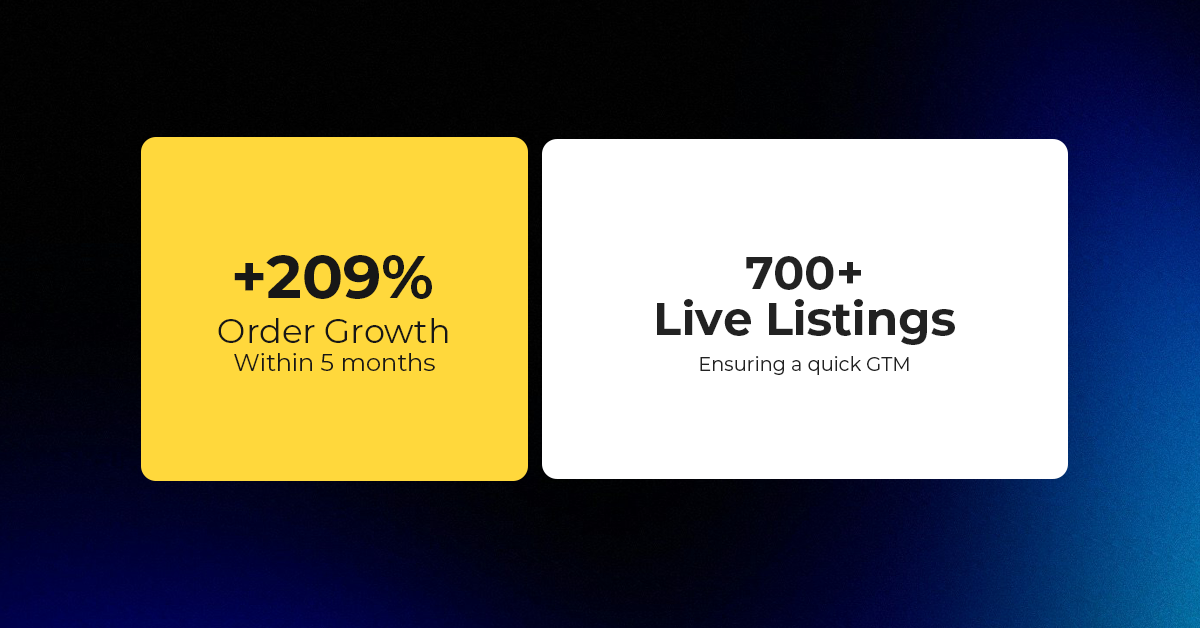
Reading Time: 4 minutesQuick Summary: Scaling Lifestyle Powersports on eBay with CedCommerce Challenge: Zero marketplace…
Reading Time: 4 minutesTikTok has surpassed 460 million users across Southeast Asia, reinforcing its position…

Reading Time: 3 minuteseBay has released its final seller news update for 2025, with a…
Reading Time: 3 minutesAmazon has clarified its stance regarding speculation around a potential breakup between…
Reading Time: 4 minutesWalmart is accelerating its push into next-generation fulfillment by expanding its drone…
Reading Time: 4 minutesFaire, the fast-growing wholesale marketplace connecting independent retailers with emerging brands, has…
Reading Time: 4 minutesB2B buying in the United States is undergoing a fundamental behavioral shift…
Reading Time: 3 minutesSummary Cyber Monday 2025 has officially become the largest online shopping day…
Reading Time: 2 minutesSummary Amazon kicked off December with two major developments shaping the future…

Reading Time: 2 minutesSummary Walmart has entered December with two major moves that signal a…