
How to Fulfill SHEIN Orders with Walmart MCS: Eligibility, Setup and Limits
Reading Time: 13 minutes Q4 is a bad time to discover that expanding to another…

Running short of time? Get PDF of the blog in your mail.
France has passed a revised fast-fashion law aimed at regulating ultra-fast fashion operators such as SHEIN, Temu and similar low-cost, high-volume fashion platforms.
The law increases regulatory pressure on sellers and marketplaces built around rapid product turnover, low prices and high-volume apparel imports.
Fashion sellers operating in or selling into France should prepare for stricter scrutiny around advertising, product volume, sustainability claims, supplier traceability and product documentation.
Sellers relying on rapid trend cycles and low-cost apparel imports may face higher operating risk if marketplaces adjust seller requirements or category controls.
European regulators are moving beyond customs and product safety.
They are now challenging the business model behind ultra-fast fashion, including environmental impact, marketing practices and consumer behavior.
Sellers should review France-facing apparel listings, sustainability claims, product documentation, supplier traceability and marketing practices.
Fashion sellers should also monitor whether marketplaces introduce new advertising restrictions, category documentation requirements or sustainability disclosures.
France’s law is a strong signal for fashion ecommerce.
Sellers should expect more regulation around ultra-fast fashion in Europe, especially where customs, product safety, sustainability and advertising controls overlap.

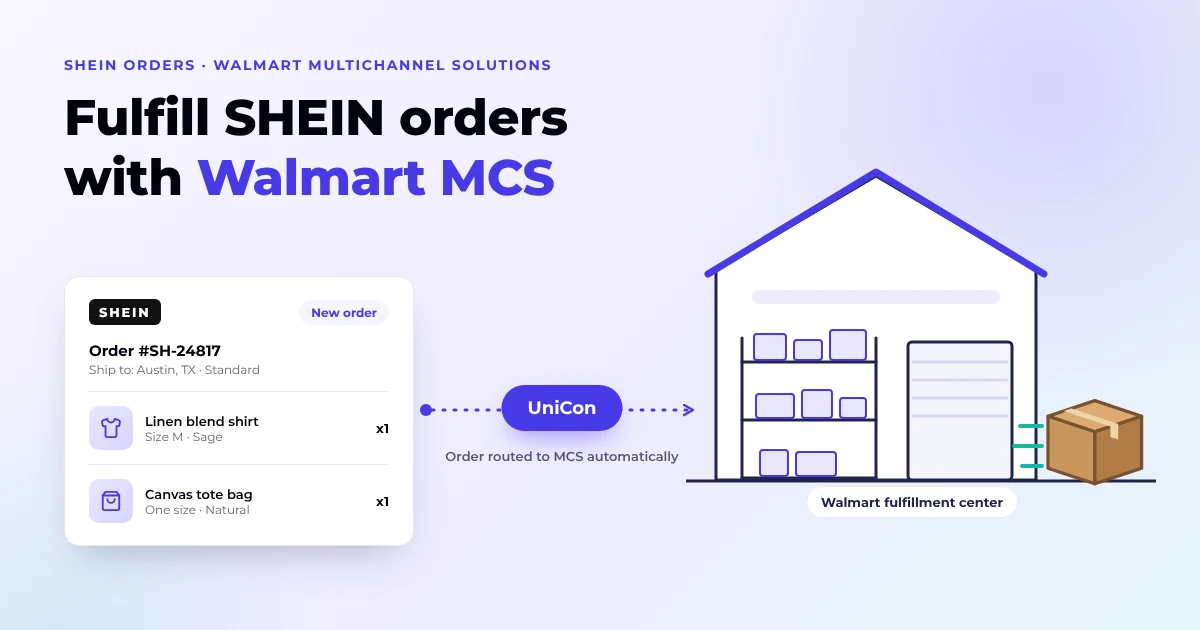
Reading Time: 13 minutes Q4 is a bad time to discover that expanding to another…
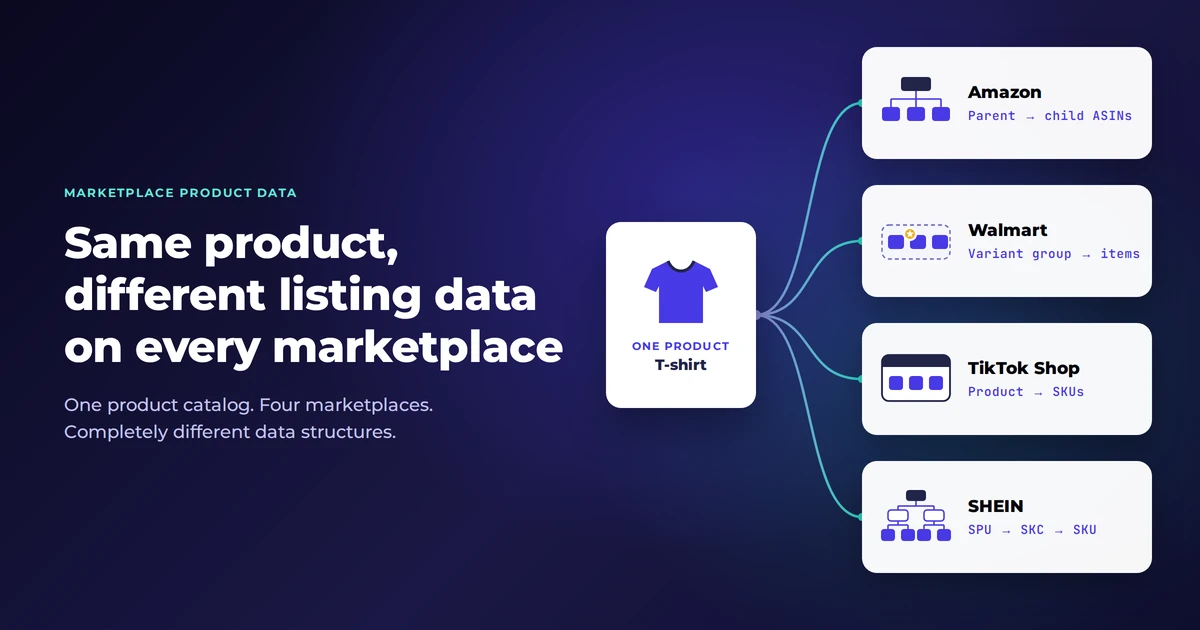
Reading Time: 11 minutes The same physical product can require a different listing structure on…
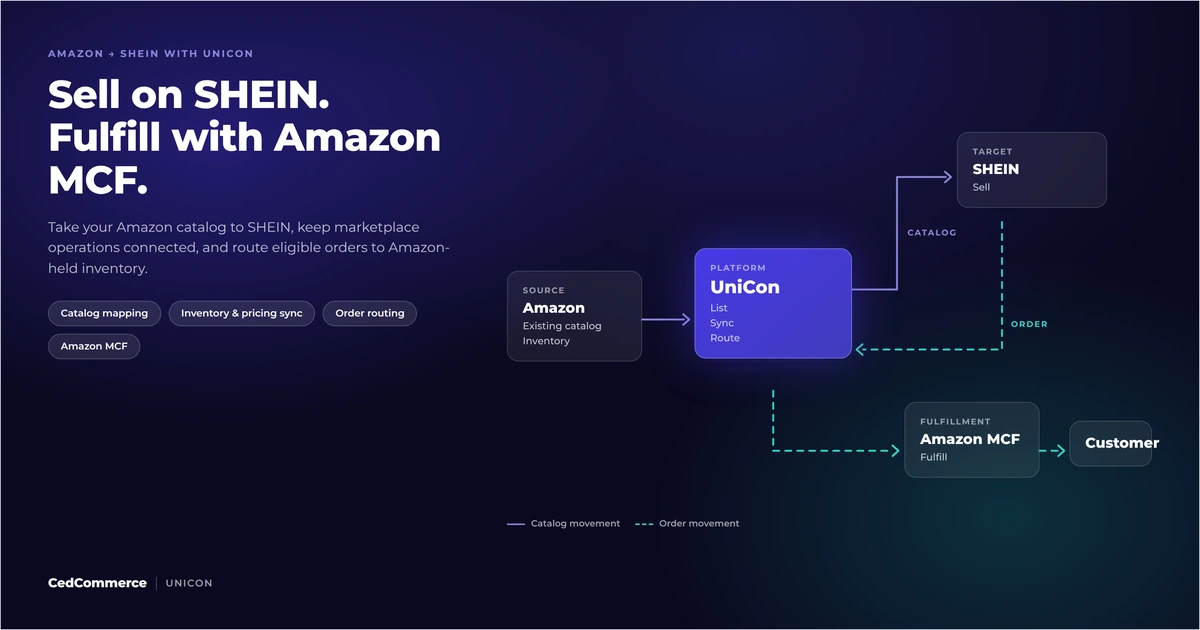
Reading Time: 12 minutes Looking to sell on SHEIN from Amazon? You could potentially tap…
Reading Time: 10 minutes SHEIN Marketplace sellers work with two underlying fulfillment models: seller-managed fulfillment,…
Reading Time: 3 minutes SHEIN has launched a new product safety and quality compliance training…

Reading Time: 3 minutes Major global marketplaces, including Temu, SHEIN, eBay, Amazon, and AliExpress, are…
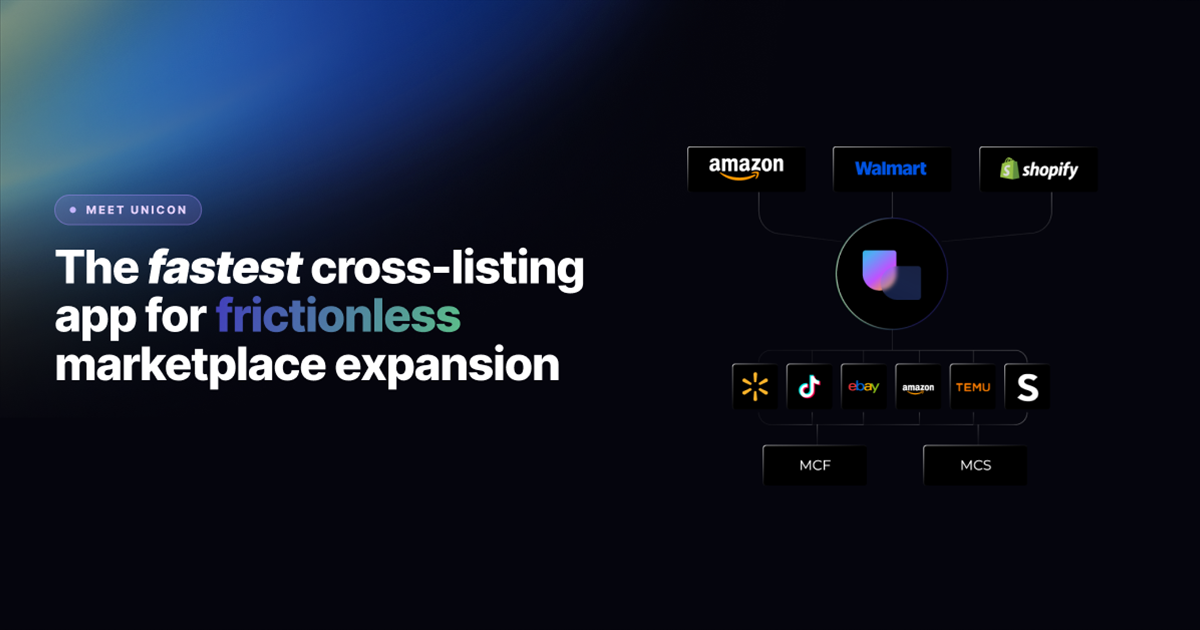
Reading Time: 9 minutes Your buyers are not shopping in one place anymore. They search…

Reading Time: 11 minutes What if reaching hundreds of millions of Amazon customers didn’t mean…
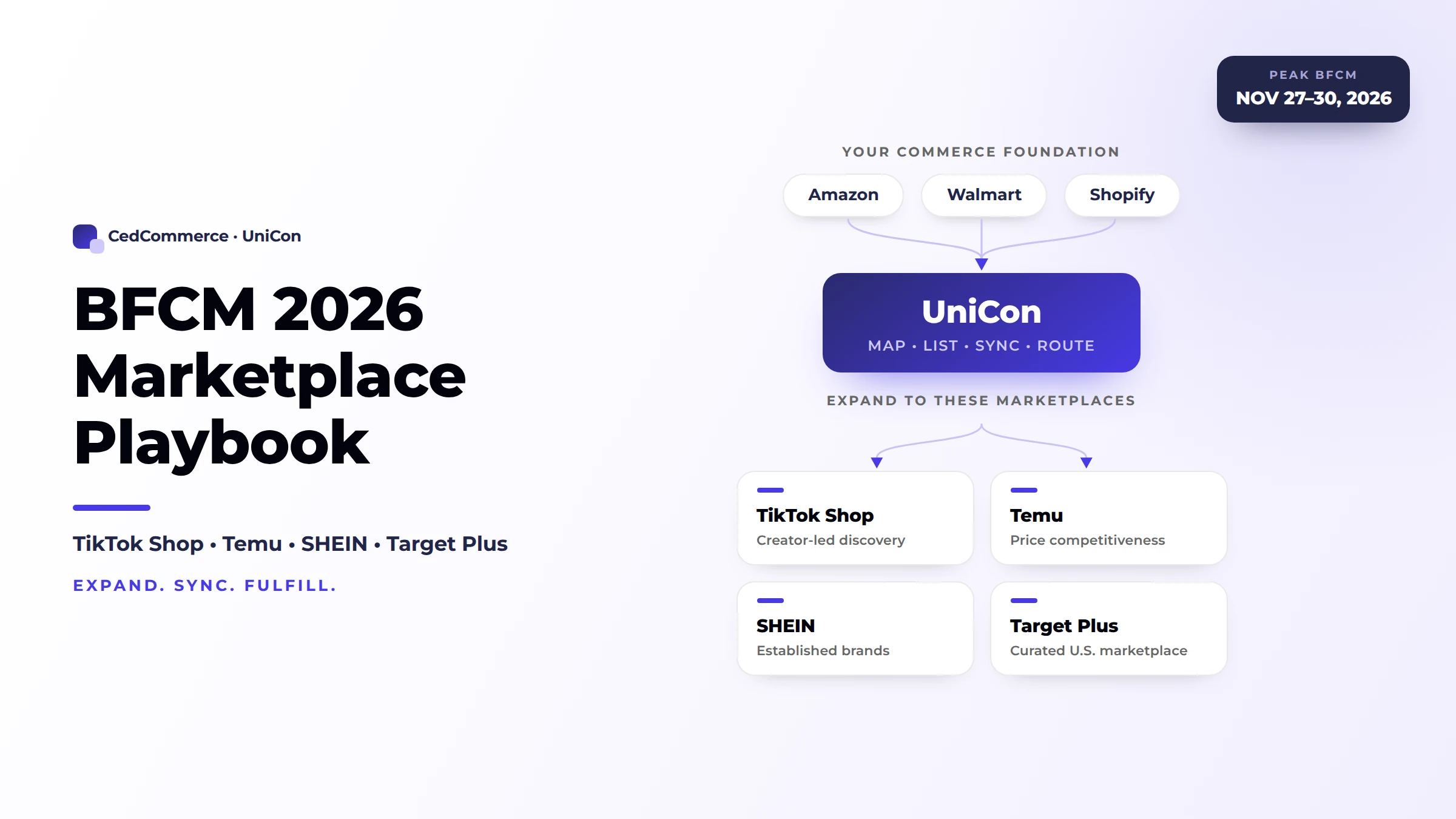
Reading Time: 16 minutes If you consider Black Friday/Cyber Monday as Amazon, Walmart, or DTC…

Reading Time: 2 minutes Amazon has expanded Multi-Channel Fulfilment (MCF) and the broader Supply Chain…