
TikTok Shop Fulfillment in 2026: 6 Options and How to Ship from Walmart WFS
Reading Time: 14 minutes TikTok Shop fulfillment in the US now comes down to six…
Running short of time? Get PDF of the blog in your mail.
After years of tension over the ownership and control of TikTok, the United States and China appear to be on the verge of a long-awaited breakthrough. U.S. Treasury Secretary Scott Bessent announced Sunday that both countries have reached a final agreement on the future of TikTok — a deal set to be “set in motion” by President Donald Trump and Chinese President Xi Jinping on Thursday in Korea.
The announcement marks the most concrete progress yet in resolving one of the most contentious tech disputes between Washington and Beijing. It also signals a renewed effort by both governments to stabilize their broader economic relationship amid escalating competition in artificial intelligence, semiconductors, and digital media.
Speaking on CBS’ Face the Nation, Secretary Bessent confirmed that “all the details are ironed out” regarding the TikTok agreement, though he declined to share specifics. He reiterated that his mandate was to secure Chinese approval for the transaction and said that the objective had now been achieved.
The deal follows an executive order signed earlier this year by President Trump requiring TikTok’s Chinese parent company, ByteDance, to divest its U.S. operations or face a nationwide ban. The terms of that order stipulate that TikTok’s American assets — including its recommendation algorithm, source code, and content moderation systems — will fall under the oversight of a newly formed U.S.-based board.
Oracle, a company with deep ties to Trump ally Larry Ellison, will assume responsibility for TikTok’s security infrastructure, ensuring that U.S. user data remains under domestic control. Other major American investors, including Fox Corporation, Andreessen Horowitz, and Silver Lake Management, are reported to hold stakes in the new entity. President Trump appeared to confirm Fox’s participation, noting that the partnership aligns with U.S. interests in media transparency and national security.
While neither government has disclosed financial details, the structure suggests a joint-venture model, granting U.S. companies operational control over domestic TikTok functions while allowing ByteDance to maintain a minority, non-controlling interest.
Bessent’s remarks came during a press conference in Kuala Lumpur, Malaysia, where U.S. and Chinese trade negotiators simultaneously reported progress on a separate set of economic discussions. Officials confirmed that talks covered tariff frameworks, rare earth mineral exports, and broader trade stabilization measures.
U.S. negotiator Jamieson Greer noted that rare earth minerals — critical inputs for semiconductors, electric vehicles, and defense technology — featured prominently in the discussions. China, which dominates global supply chains for these materials, has recently moved to tighten export controls, creating strategic leverage in its tech negotiations with Washington.
“We talked about extending the truce, we talked about rare earths, of course, we talked about all kinds of topics,” Greer told reporters.
The parallel progress on TikTok and trade issues suggests that Washington and Beijing may be pursuing a limited détente, seeking pragmatic resolutions in areas where mutual interests align, even as competition intensifies in others.
TikTok’s U.S. operations — which count over 150 million American users — have been under political scrutiny since 2020, with national security concerns centered on data access and algorithmic influence. U.S. lawmakers across party lines have argued that Chinese ownership poses a risk of surveillance and propaganda.
For Trump, finalizing the deal serves both political and strategic goals. It resolves a long-running flashpoint in U.S.–China relations while projecting a message of economic nationalism and tech sovereignty ahead of a critical election year.
For China, securing a negotiated settlement — rather than an outright forced sale — allows Beijing to preserve face and maintain a foothold in one of the world’s most influential social media platforms.
“This agreement, if executed as described, could mark a rare moment of reciprocity in U.S.–China tech relations,” says Dr. Elaine Zhou, senior fellow at the Center for Global Digital Policy. “It acknowledges both nations’ red lines — data security for the U.S. and corporate dignity for China.”
Oracle’s central role in the deal underscores the growing overlap between corporate technology operations and national policy. The company’s task, to manage data integrity, algorithm security, and compliance oversight, positions it as a gatekeeper between governments and global tech platforms.
Industry experts note that this arrangement may serve as a template for future AI or social media governance models, especially as countries increasingly seek localized control over digital infrastructure.
“This is less about who owns TikTok and more about who governs the flow of digital data,” said Paul Tan, Asia-Pacific tech policy analyst at Insight Partners. “It’s a model of compartmentalized globalization — where data sovereignty coexists with commercial interoperability.”
The timing of Thursday’s meeting between Trump and Xi — expected to take place on the sidelines of a regional summit in Seoul — may also signal a broader recalibration in U.S.–China relations.
Recent months have seen both countries re-engage on trade, technology, and financial stability. The apparent progress on rare earth negotiations hints at mutual recognition of economic interdependence, even amid ongoing rivalry in sectors like AI, cloud computing, and electric vehicles.
“Both sides are acknowledging that managed competition is better than economic fragmentation,” said an unnamed U.S. official familiar with the talks.
If formalized this week, the TikTok agreement could reshape global digital governance, offering a model for reconciling national security concerns with cross-border platform operations.
It may also open the door for similar hybrid arrangements governing other Chinese-owned tech firms operating in the West.
For now, the world’s attention turns to Seoul, where on Thursday, Presidents Trump and Xi are expected to officially sign off on what could be the most consequential U.S.–China tech accord in years.

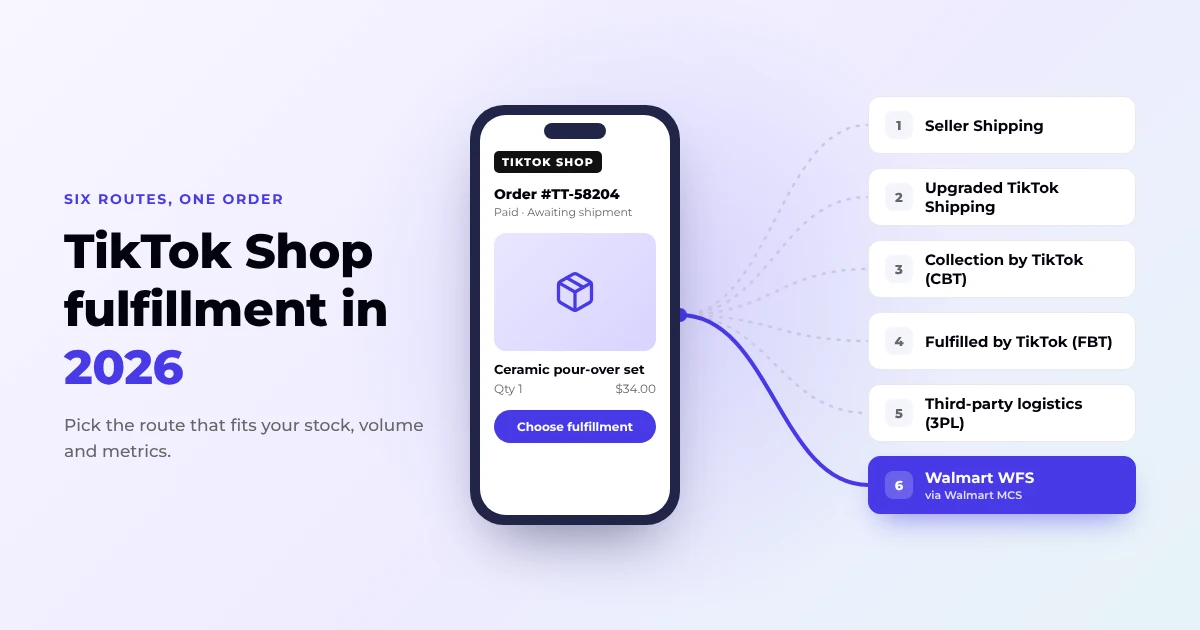
Reading Time: 14 minutes TikTok Shop fulfillment in the US now comes down to six…
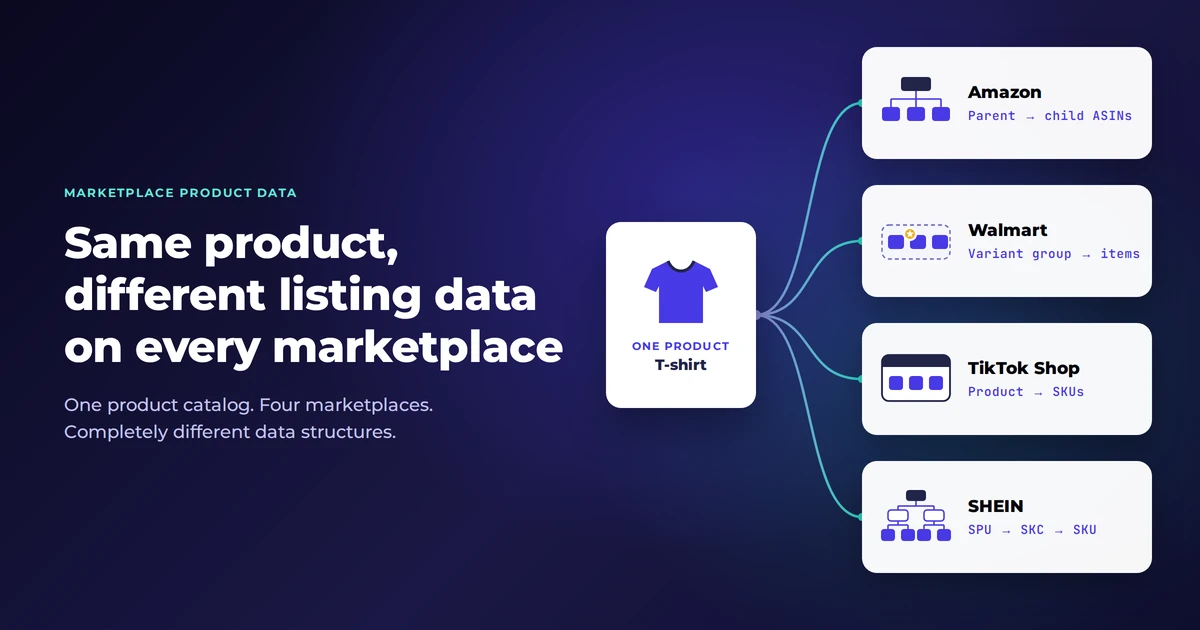
Reading Time: 11 minutes The same physical product can require a different listing structure on…
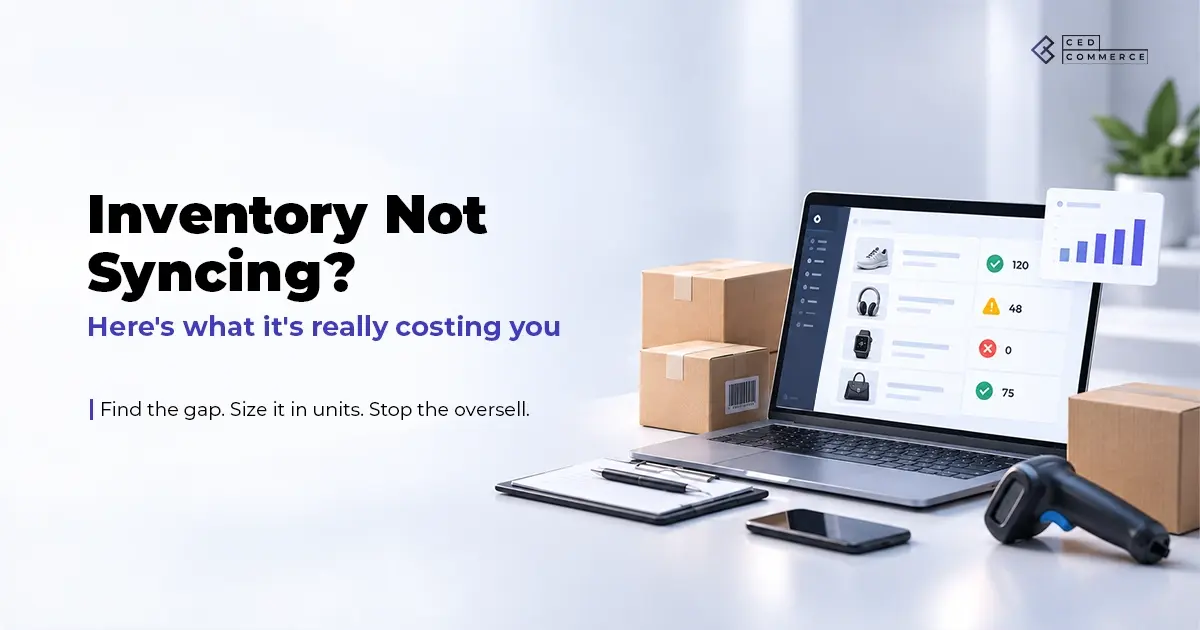
Reading Time: 15 minutes Your marketplace app does not sync continuously. It syncs on a…
Reading Time: 6 minutes Your marketplace stack may be connected, but your attention is still…
Reading Time: 3 minutes TikTok Shop has officially launched its global mid-year commerce campaign, reinforcing…
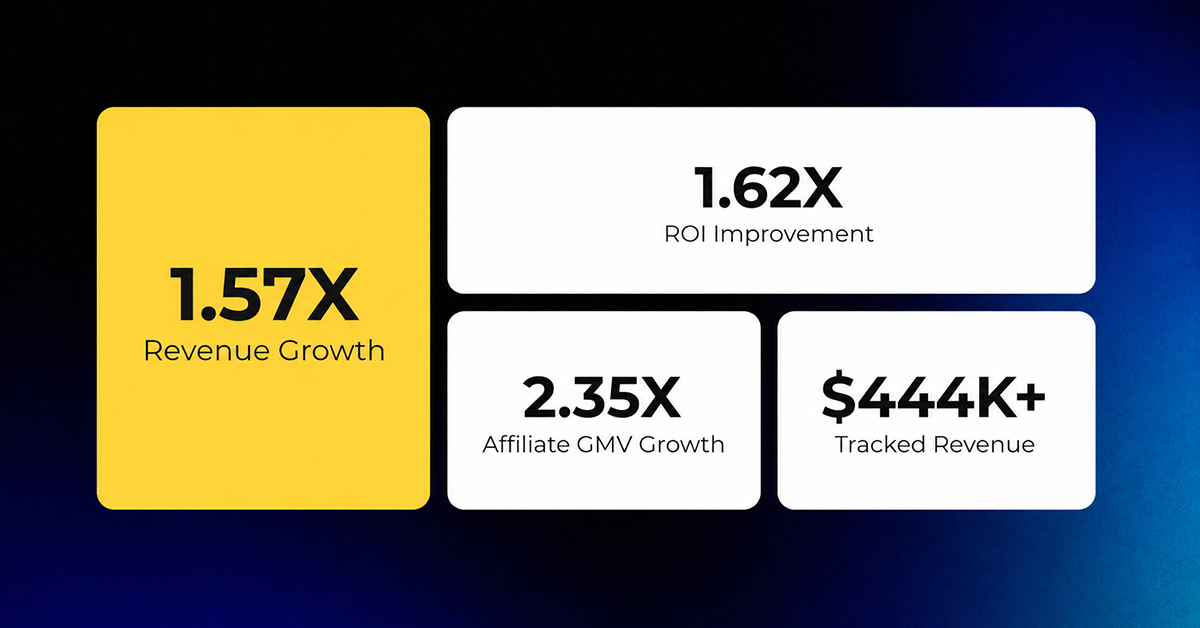
Reading Time: 3 minutes About the Client Tees2urdoor is a fast-scaling apparel and print-on-demand brand…
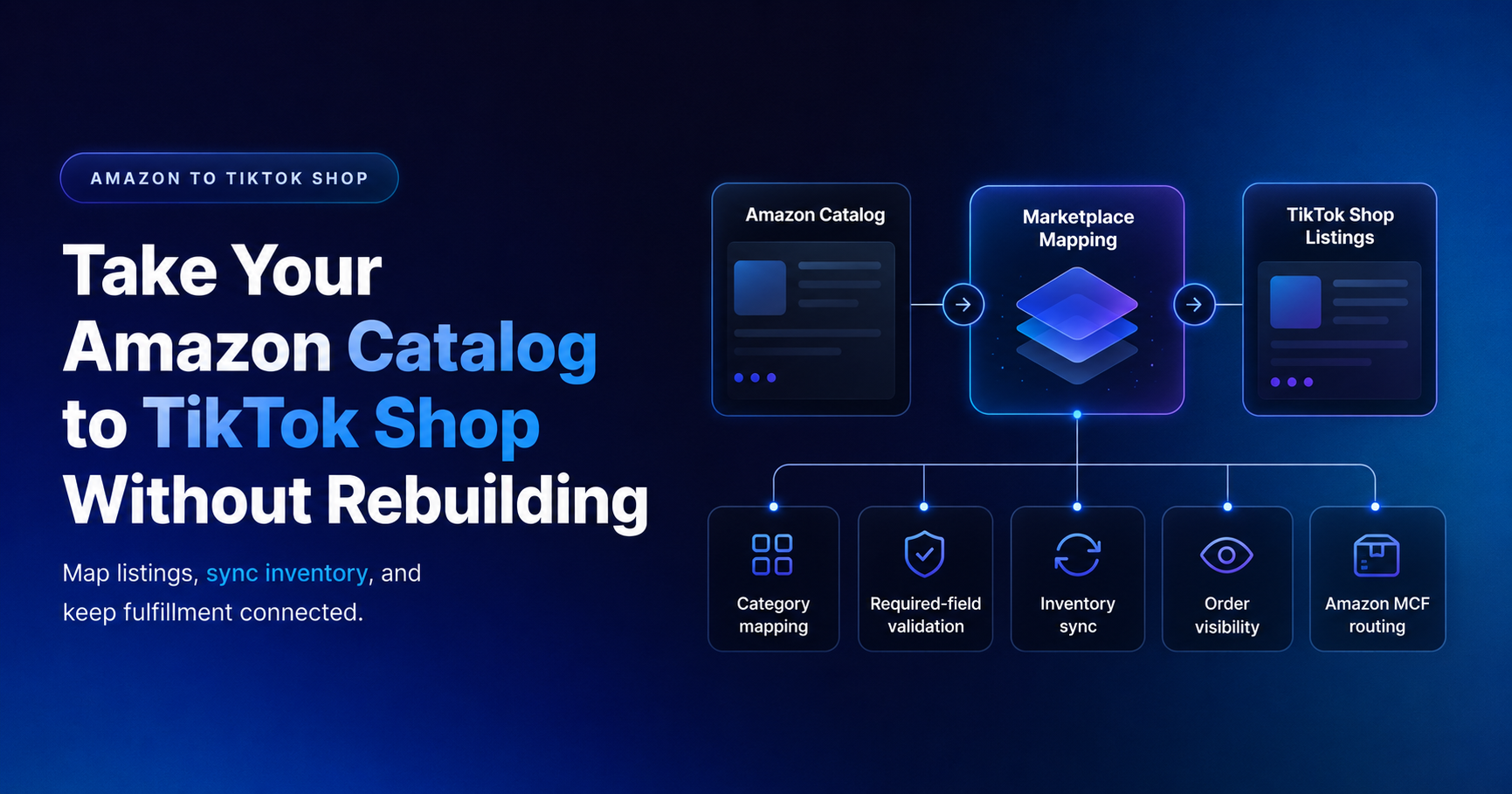
Reading Time: 13 minutes Your Amazon catalog already sells. The question is whether it can…
Reading Time: 9 minutes Your buyers are not shopping in one place anymore. They search…
Reading Time: 3 minutes TikTok has announced a major initiative in the UK publishing ecosystem…
Reading Time: 3 minutes TikTok Shop is strengthening its U.S. seller logistics stack with Upgraded…