
Agentic Commerce Gains Ground: 96% of Retailers Have Already Invested in AI
Reading Time: 2 minutes A new industry study shows that agentic commerce is moving from…

Running short of time? Get PDF of the blog in your mail.
Shopify just posted a strong 2025, and the story isn’t only DTC. According to Digital Commerce 360 (Feb 2026), Shopify’s full-year revenue rose 30% to $11.56B (up from $8.88B in 2024). Q4 (ended Dec 31, 2025) revenue climbed 31% to $3.67B, while 2025 GMV grew 29% to $378.4B.
But the standout growth engine was B2B: Shopify reported B2B GMV up 96% in 2025 and up 84% in Q4, even though wholesale remains a smaller slice of total platform volume.
Shopify is expanding beyond classic consumer storefronts in two big ways:
This is Shopify signaling a broader shift: 2026 growth won’t be “just launch a store.” It’s about:
Shopify’s 2025 results point to a clear direction: wholesale is becoming a major growth lever, and AI-originated shopping journeys are being wired into standard commerce rails. Merchants who build clean catalogs, strong ops, and a real B2B playbook will be best positioned to benefit as these channels mature.


Reading Time: 2 minutes A new industry study shows that agentic commerce is moving from…
Reading Time: 2 minutes Amazon has introduced new 1-hour and 3-hour delivery options for customers…
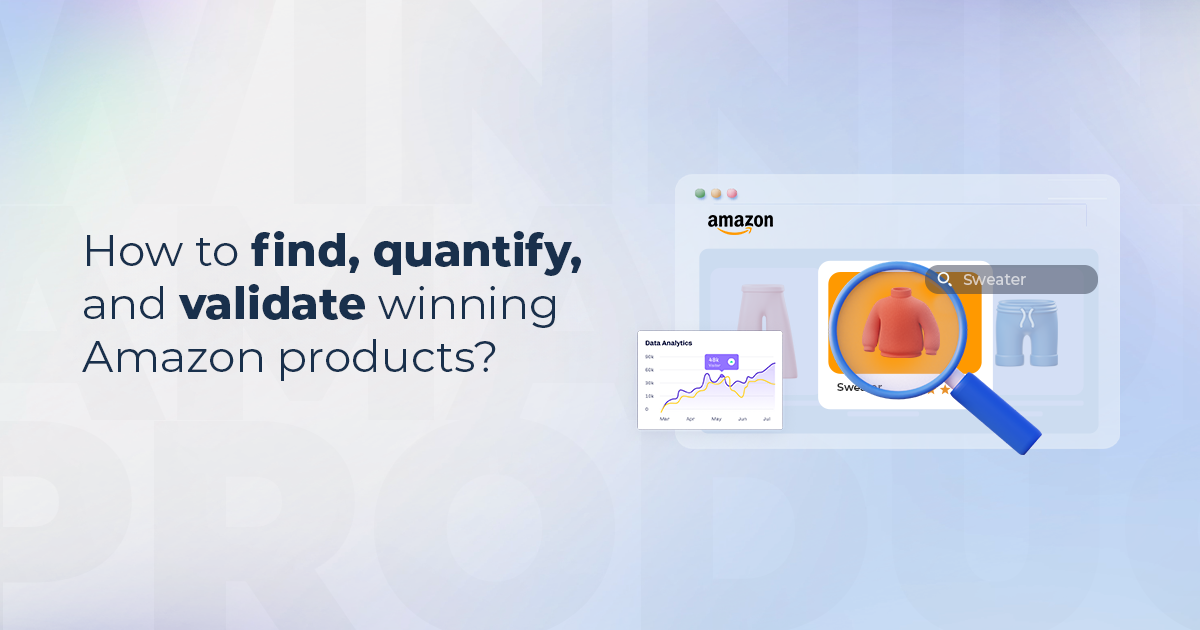
Reading Time: 16 minutes How to find, quantify, and validate winning Amazon products? Amazon product…
Reading Time: 2 minutes Amazon is rolling out a significant update that will directly impact…
Reading Time: 3 minutes Ulta Beauty is preparing to launch a curated storefront on TikTok…
Reading Time: 2 minutes Until now, falling below the 90% OTDR (On-time Delivery Requirement) could…
Reading Time: 5 minutes Amazon has formally expanded its Multi-Channel Fulfillment (MCF) operations in Europe…
Reading Time: 4 minutes Amazon has announced that Sponsored Products prompts and Sponsored Brands prompts…
Reading Time: 4 minutes Amazon has expanded access to its healthcare-focused AI assistant, Health AI,…
Reading Time: 4 minutes Amazon has officially launched its Spring Deal Days shopping event, offering…

Reading Time: 4 minutes eBay UK has announced a new partnership with global embedded finance…
Reading Time: 4 minutes TikTok Shop has officially launched its first-ever Fine Art category, marking…
Reading Time: 2 minutes eBay has temporarily paused international sales from the United States to…
Reading Time: 3 minutes Walmart Marketplace has expanded its Review Accelerator program with a new…
Reading Time: 3 minutes A significant policy change is coming to Amazon Wish Lists that…

Reading Time: 3 minutes A major shift is emerging in how Gen Z discovers and…
Reading Time: 4 minutes Social commerce is no longer confined to the platform where discovery…

Reading Time: 3 minutes eBay has released its U.S. 2026 Marketing Trends Calendar, a data-backed…
Reading Time: 4 minutes U.S. eCommerce is entering a new phase of structural expansion, with…
Reading Time: 4 minutes eBay has introduced on-site tracking support for orders delivered through seller-owned…