
Amazon Shop Direct: Get Discovered on Amazon Without Listing Your Products
Reading Time: 10 minutes What if reaching hundreds of millions of Amazon customers didn’t mean…
Running short of time? Get PDF of the blog in your mail.
If FedEx is a core part of your shipping stack, a new message from the carrier deserves attention: FedEx is dialing back its focus on “everyday” eCommerce parcels and leaning harder into higher-value, specialized shipments.
At FedEx’s 2026 Investor Day, Chief Customer Officer Brie Carere summed it up bluntly:
If you’re shipping basic commodities, FedEx may not be the best fit.
FedEx says future growth will come from premium segments, both business and consumer, where service reliability, handling, and speed justify better pricing. The company highlighted focus areas like healthcare, automotive, aerospace, data centers, and “premium” eCommerce. In parallel, FedEx is continuing big network changes (Network 2.0) that reduce overlap and improve efficiency, moves that can affect service footprints and routing in certain markets.
For merchants and sellers, this shift changes the FedEx question from “Do they deliver?” to “Do they deliver my kind of packages profitably?”
If your catalog is mostly:
…you may feel more pressure on costs and service fit over time, especially as carriers optimize for margin.
But if you ship:
…FedEx is signaling you’re closer to its “ideal” eCommerce profile.
FedEx isn’t abandoning eCommerce. They are shifting focus from “all parcels” towards more premium parcels. Merchants and sellers who match the carrier to the shipment (instead of forcing one carrier for everything) will protect margins and reduce delivery surprises.

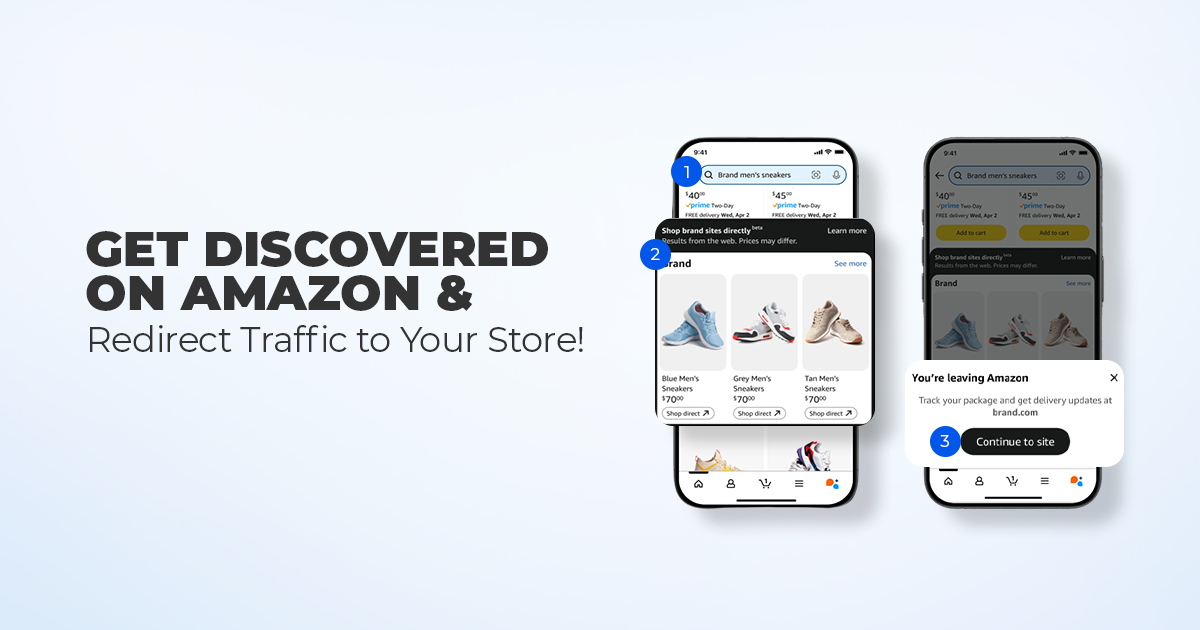
Reading Time: 10 minutes What if reaching hundreds of millions of Amazon customers didn’t mean…

Reading Time: 2 minutes Alibaba’s latest update shows that AI is becoming a much bigger…

Reading Time: 2 minutes A new industry study shows that agentic commerce is moving from…
Reading Time: 2 minutes Amazon has introduced new 1-hour and 3-hour delivery options for customers…
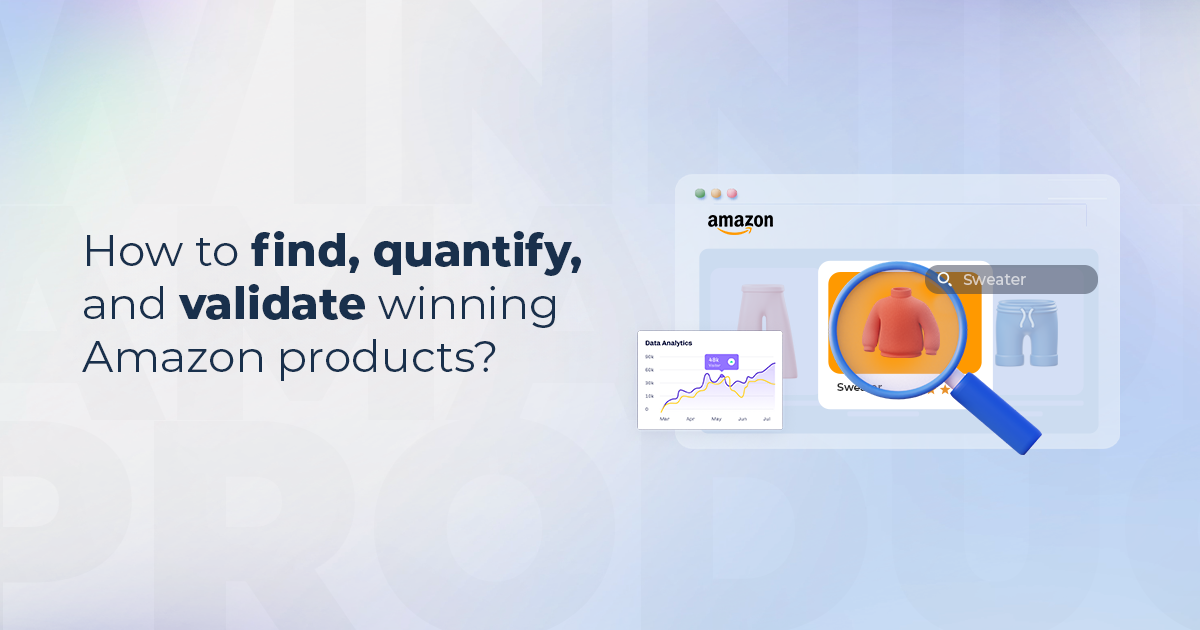
Reading Time: 16 minutes How to find, quantify, and validate winning Amazon products? Amazon product…
Reading Time: 2 minutes Amazon is rolling out a significant update that will directly impact…
Reading Time: 3 minutes Ulta Beauty is preparing to launch a curated storefront on TikTok…
Reading Time: 2 minutes Until now, falling below the 90% OTDR (On-time Delivery Requirement) could…
Reading Time: 5 minutes Amazon has formally expanded its Multi-Channel Fulfillment (MCF) operations in Europe…
Reading Time: 4 minutes Amazon has announced that Sponsored Products prompts and Sponsored Brands prompts…
Reading Time: 4 minutes Amazon has expanded access to its healthcare-focused AI assistant, Health AI,…
Reading Time: 4 minutes Amazon has officially launched its Spring Deal Days shopping event, offering…

Reading Time: 4 minutes eBay UK has announced a new partnership with global embedded finance…
Reading Time: 4 minutes TikTok Shop has officially launched its first-ever Fine Art category, marking…
Reading Time: 2 minutes eBay has temporarily paused international sales from the United States to…
Reading Time: 3 minutes Walmart Marketplace has expanded its Review Accelerator program with a new…
Reading Time: 3 minutes A significant policy change is coming to Amazon Wish Lists that…
Reading Time: 3 minutes A major shift is emerging in how Gen Z discovers and…
Reading Time: 4 minutes Social commerce is no longer confined to the platform where discovery…

Reading Time: 3 minutes eBay has released its U.S. 2026 Marketing Trends Calendar, a data-backed…