
EU Custom Code Reform Advances on March 26: What Cross-Border Sellers Should Know
Reading Time: 3 minutes On March 26, 2026, the European Parliament and the Council reached…
Running short of time? Get PDF of the blog in your mail.
Amazon has clarified its stance regarding speculation around a potential breakup between Amazon and USPS, telling Newsweek the company is “not planning to cut ties with the USPS.”
A company spokesperson reiterated that the 30-plus-year partnership remains a priority. The clarification comes after a high-profile report from The Washington Post suggesting Amazon was preparing to fast-track expansion of its own coast-to-coast delivery network, potentially exiting its multi-billion-dollar package delivery agreement with USPS after 2026.
According to sources quoted by The Washington Post, contract negotiations between Amazon and USPS have stalled, driven in part by USPS’s plan to shift to a “reverse-auction” model for major volume clients beginning 2026.
Amazon’s official position, as communicated to Newsweek, is that no decision has been made to end the partnership. In fact, the company says it is looking to extend it. USPS, when approached by Newsweek, declined to comment.
In short, while external reports paint a picture of looming separation, Amazon says publicly that the relationship remains a priority.
Want help improving your Amazon rankings, scaling profitable ad campaigns, and optimizing your product catalog ahead of peak season?


Reading Time: 3 minutes On March 26, 2026, the European Parliament and the Council reached…
Reading Time: 4 minutes Kanzen Skincare and six other brands are preparing for what is…
Reading Time: 5 minutes When a seller expands to a new Walmart market, the first…
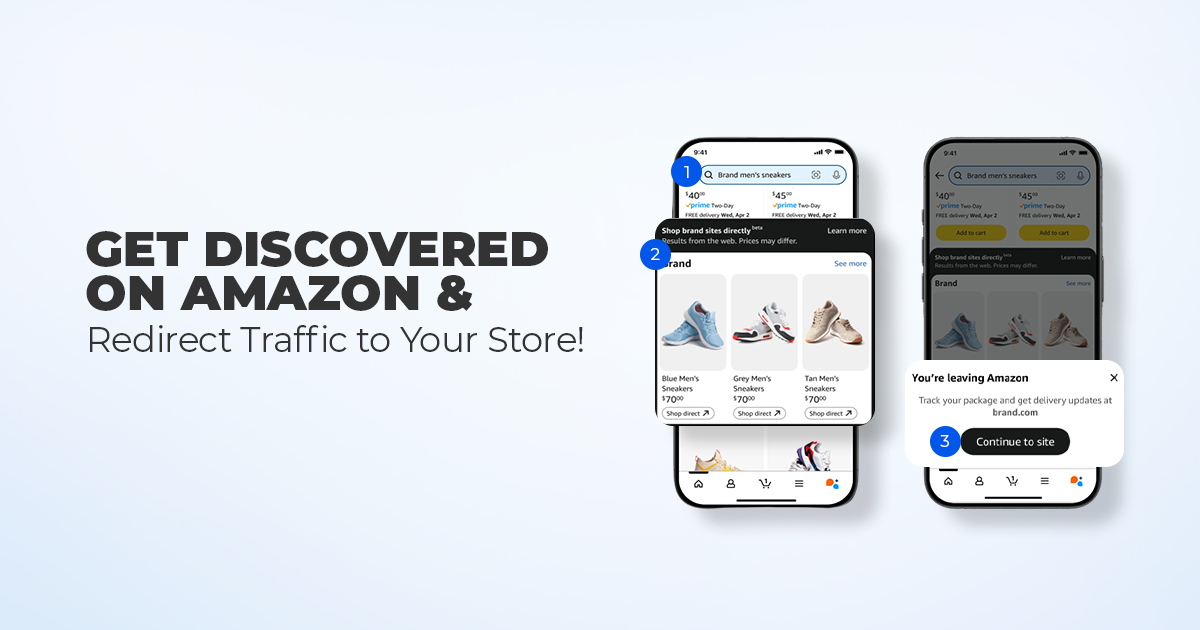
Reading Time: 10 minutes What if reaching hundreds of millions of Amazon customers didn’t mean…
Reading Time: 2 minutes Alibaba’s latest update shows that AI is becoming a much bigger…

Reading Time: 2 minutes A new industry study shows that agentic commerce is moving from…
Reading Time: 2 minutes Amazon has introduced new 1-hour and 3-hour delivery options for customers…
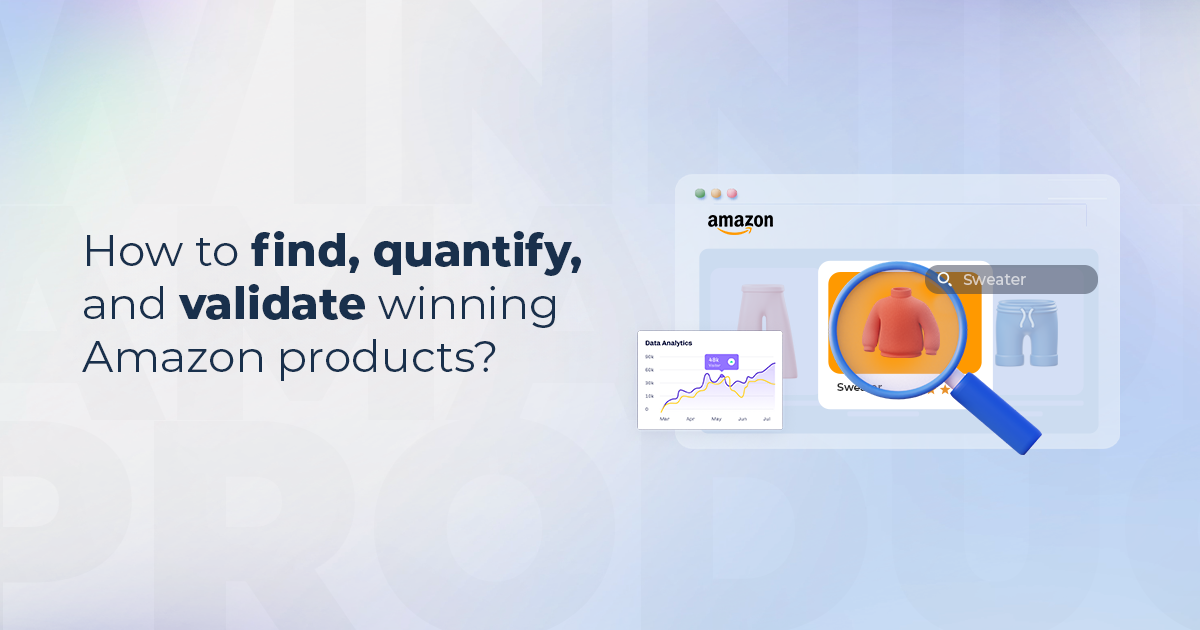
Reading Time: 16 minutes How to find, quantify, and validate winning Amazon products? Amazon product…
Reading Time: 2 minutes Amazon is rolling out a significant update that will directly impact…
Reading Time: 3 minutes Ulta Beauty is preparing to launch a curated storefront on TikTok…
Reading Time: 2 minutes Until now, falling below the 90% OTDR (On-time Delivery Requirement) could…
Reading Time: 5 minutes Amazon has formally expanded its Multi-Channel Fulfillment (MCF) operations in Europe…
Reading Time: 4 minutes Amazon has announced that Sponsored Products prompts and Sponsored Brands prompts…
Reading Time: 4 minutes Amazon has expanded access to its healthcare-focused AI assistant, Health AI,…
Reading Time: 4 minutes Amazon has officially launched its Spring Deal Days shopping event, offering…
Reading Time: 4 minutes eBay UK has announced a new partnership with global embedded finance…
Reading Time: 4 minutes TikTok Shop has officially launched its first-ever Fine Art category, marking…
Reading Time: 2 minutes eBay has temporarily paused international sales from the United States to…
Reading Time: 3 minutes Walmart Marketplace has expanded its Review Accelerator program with a new…
Reading Time: 3 minutes A significant policy change is coming to Amazon Wish Lists that…