
Amazon vs Walmart vs Target Plus: What Changes Operationally for Sellers?
Reading Time: 11 minutes If you already sell on Amazon, adding Walmart or Target Plus…

Running short of time? Get PDF of the blog in your mail.
Amazon kicked off December with two major developments shaping the future of ecommerce: its AI shopping assistant Rufus delivered a 100% surge in conversions during Black Friday sessions, and the company quietly began testing ultra-fast 30-minute delivery for everyday essentials in select U.S. cities. Together, these updates signal Amazon’s aggressive move toward an AI-first, speed-first retail model; one that raises the bar for seller readiness across product content, pricing, and fulfillment.
Amazon’s internal data shared during the Black Friday–Cyber Monday period revealed a standout insight:
Rufus relies heavily on product clarity and structured data. Listings that are:
… get surfaced more accurately in AI-led shopping journeys.
The takeaway: Sellers must optimize for AI discoverability, not just traditional Amazon SEO.
In parallel, Amazon is piloting delivery in half an hour or less for select categories like household essentials and groceries. The Amazon Now service is launching now in parts of Seattle and Philadelphia, according to Amazon’s announcement, allowing eligible customers to shop for items like fresh milk, eggs, produce, cosmetics, electronics, household essentials, over-the-counter medicines, and more.
In those areas, Amazon Now has become part of the main Amazon shopping app, and allows users to track orders and tip delivery drivers. Users can check the “30-Minute Delivery” option in the app navigation bar to see if they’re eligible for the service. Delivery fees start at $3.99 per order for Prime subscribers and $13.99 for non-Prime members, with a $1.99 basket fee applied to orders below $15.
The service will operate out of small specialized fulfillment facilities near eligible delivery zones, and is designed to help Amazon better compete with companies like DoorDash and Instacart. This expansion follows years of investment in local fulfillment, micro-warehousing, and last-mile optimization.
If rolled out broadly, Amazon could demand:
FBA sellers in particular may benefit from increased Buy Box stability for fast-moving SKUs but only if they keep inventory flow tight and healthy.
Amazon’s December updates reveal a clear direction:
AI drives the buying decision. Speed seals the purchase.
For sellers, this means:
At CedCommerce, we see a massive opportunity for early adopters. Sellers who optimize their catalogs for AI-assisted shopping and streamline fulfilment workflows now will outperform as Amazon continues evolving toward a real-time, intelligence-driven marketplace.

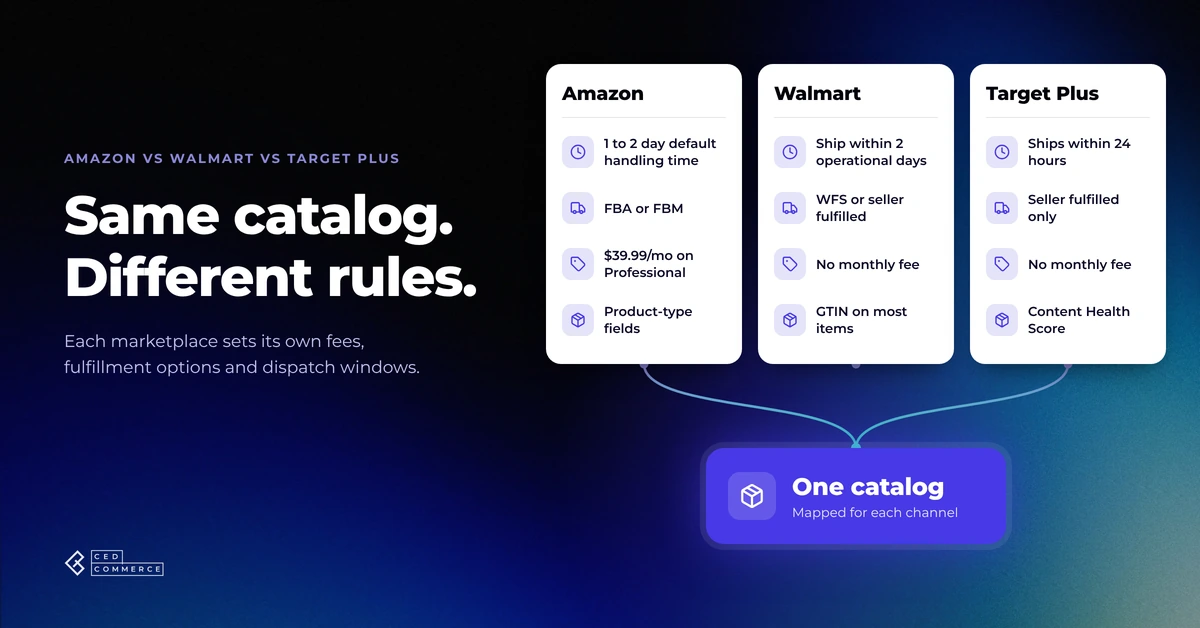
Reading Time: 11 minutes If you already sell on Amazon, adding Walmart or Target Plus…
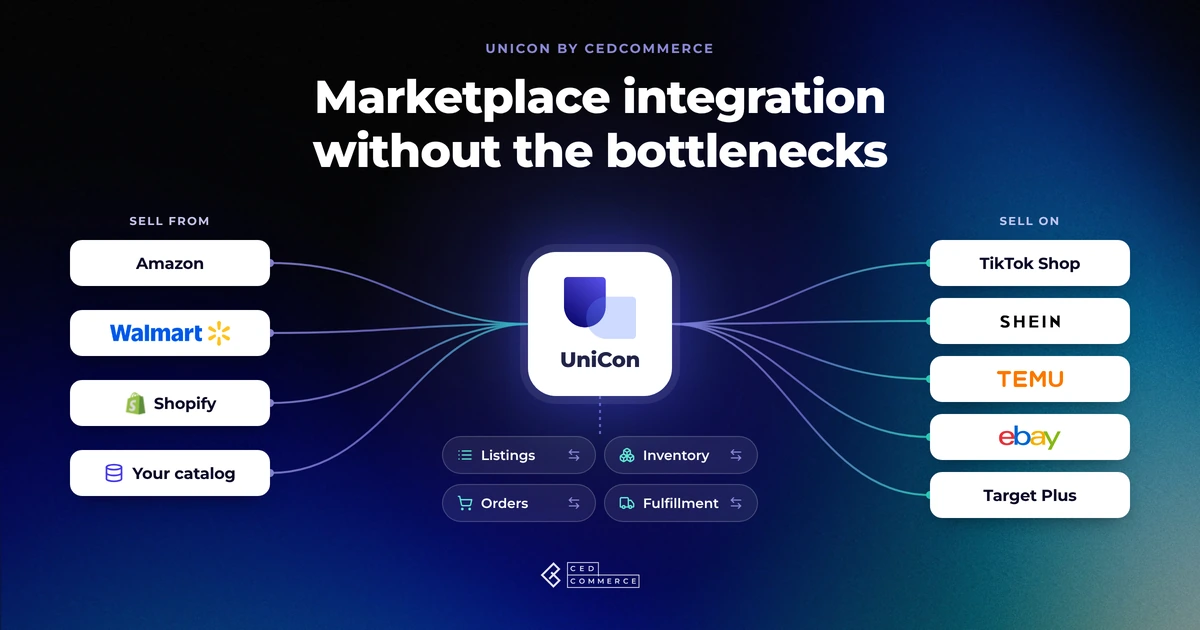
Reading Time: 13 minutes Selling on another marketplace sounds straightforward when you already have a…
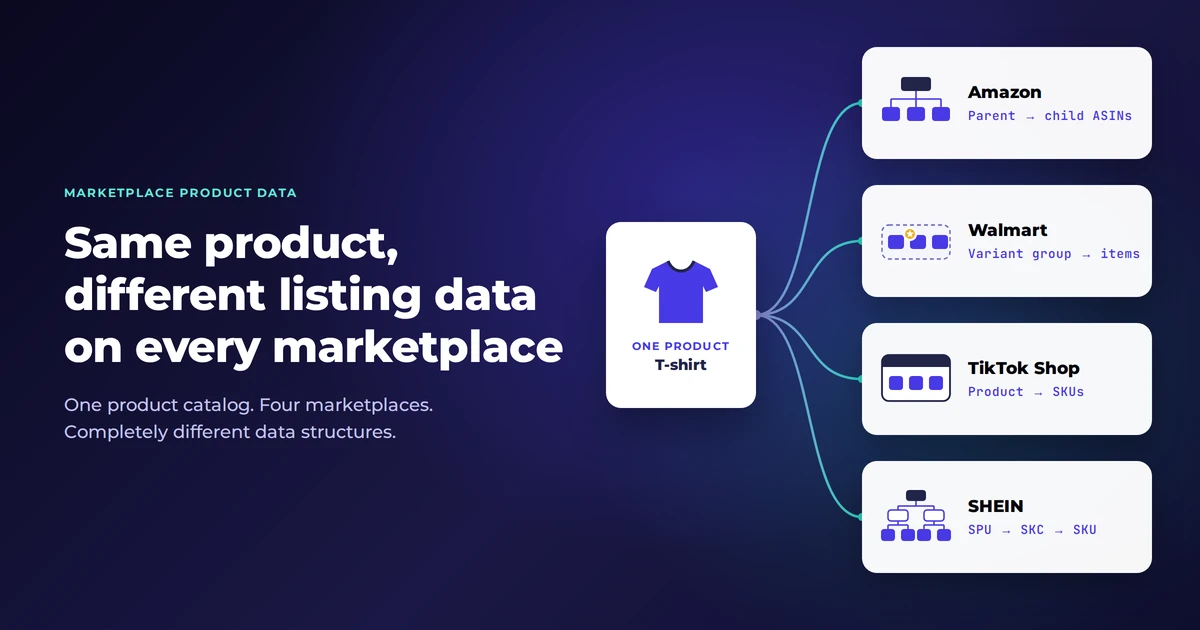
Reading Time: 11 minutes The same physical product can require a different listing structure on…
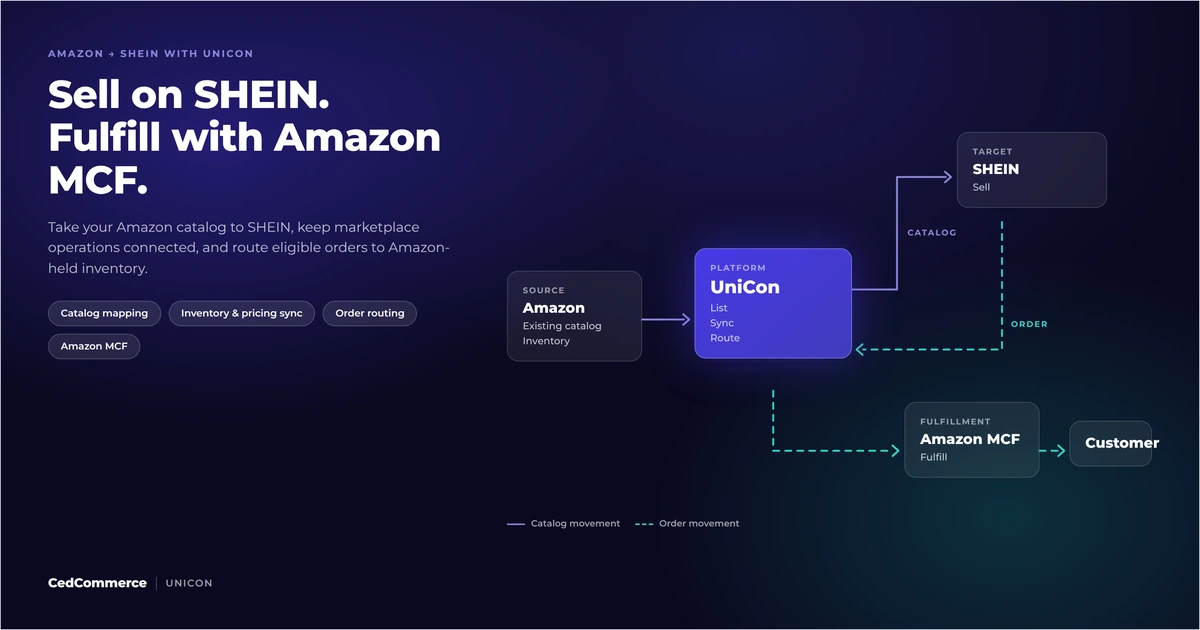
Reading Time: 12 minutes Looking to sell on SHEIN from Amazon? You could potentially tap…
Reading Time: 15 minutes Your marketplace app does not sync continuously. It syncs on a…
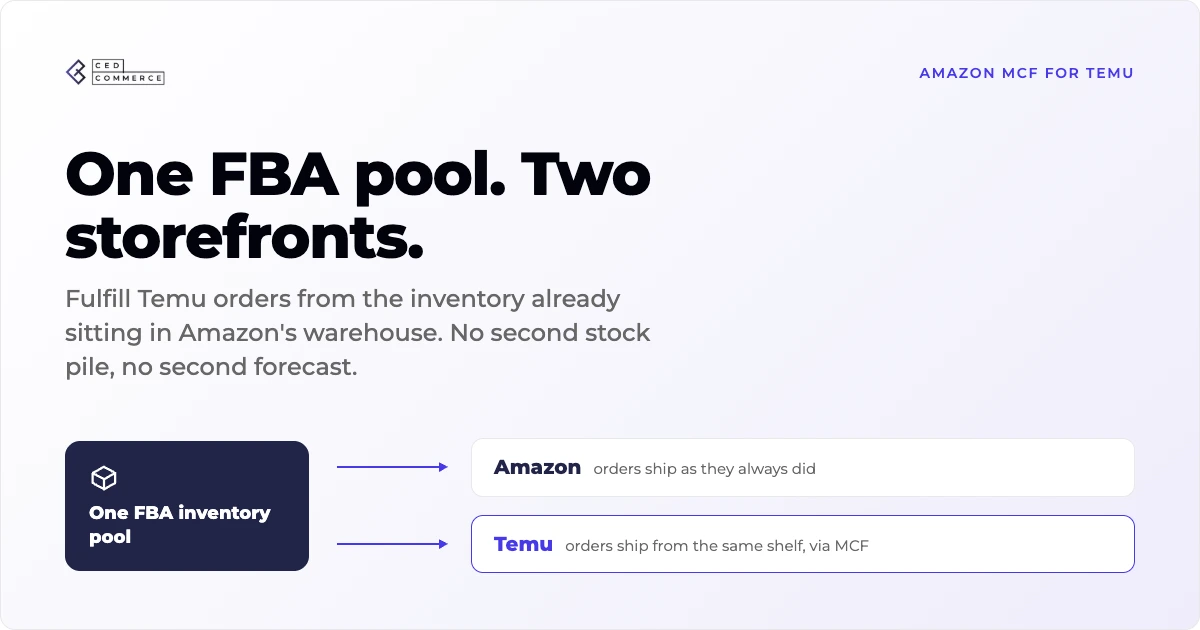
Reading Time: 19 minutes Ever wondered if your FBA inventory could turn Amazon into a…
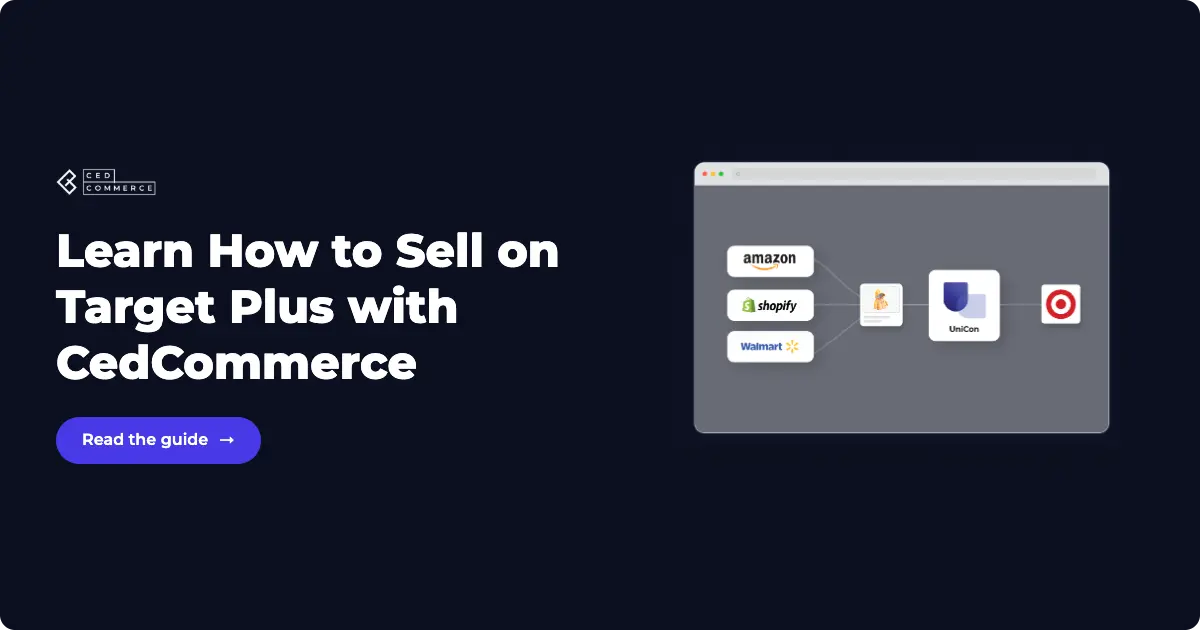
Reading Time: 18 minutes If you’re an established third-party brand or authorized reseller looking for…
Reading Time: 6 minutes Your marketplace stack may be connected, but your attention is still…
Reading Time: 3 minutes Section 1: About the Client Hat Country, operating as Deadwood Trading…
Reading Time: 3 minutes Section 1: About the Client Milky Mama is a leading maternal…